

XRPL Bank-Style Lending Protocol Nears Approval

The Push for Native Yield on the XRP Ledger
The XRP Ledger (XRPL) is stepping closer to a major technical milestone. A new feature called the Lending Protocol V1_1 amendment is currently working its way through the network consensus process.
As of November 12, 2026, 22 out of 35 network validators have approved the amendment. That represents a 62.86% approval rate. Three new validators signed on to support the proposal over the past three weeks alone.
Notable validators supporting the proposal include RippleXRP-0.76%'s own operating nodes, the University of Waterloo, and UC Berkeley.
Voting Thresholds: How XRPL Amendments Pass
Changes on the XRP Ledger do not happen overnight. To activate any standard amendment, the proposal must secure support from at least 80% of active validators.
In this case, the lending protocol needs 29 out of 35 votes. Once that 80% threshold is reached, the proposal must maintain that level of support continuously for two full weeks (14 days) before it officially goes live on the main network.
The Role of the Single Asset Vault (XLS-65)
The lending framework relies on two complementary technical standards: XLS-65 and XLS-66. While XLS-66 handles the core lending protocol, XLS-65 introduces Single Asset Vaults.
The XLS-65 amendment has gathered 23 out of 35 votes (65.7%). It needs six additional validator votes to reach the required approval mark.
Together, these standards introduce uncollateralized, fixed-term borrowing to XRPL. Traditional decentralized finance (DeFi) platforms typically require borrowers to lock up more crypto than they borrow to prevent defaults through automatic liquidations.
Under the proposed XRPL model, borrowing works more like traditional institutional bank credit. Loans carry fixed terms and pre-agreed interest rates without instant automated liquidations.
Inside the System: How Depositors Earn Interest
Under the proposed system, XRP holders and stablecoin users can supply liquidity into Single Asset Vaults. For instance, users can deposit XRP or stablecoins like Ripple USDRLUSD+0.43%.
In exchange for their deposit, users receive pool shares representing their stake in the vault. Interest from borrowers is distributed on a cash basis.
- Depositors receive interest payments only after the borrower completes their payment.
- Yields are not fixed or guaranteed and depend entirely on borrower performance.
- Vault withdrawals process on a first-come, first-served basis.
While native lending provides expanded utility, potential users must evaluate credit and protocol risks carefully. Earning interest carries potential default risks, and returns are never guaranteed.
Risk Management and the Role of Loan Brokers
Because the network does not rely on automatic collateral liquidations, risk evaluation moves off-chain. Specialized entities called Loan Brokers perform credit assessments on potential borrowers before issuing loans.
Once a broker approves a borrower, the transaction disbursement is recorded directly on the XRP Ledger. The protocol documentation outlines several layers of risk management:
- Loan Brokers perform off-chain underwriting to evaluate borrower creditworthiness.
- Brokers must pledge their own first-loss capital to absorb initial losses if a borrower defaults.
- Asset issuers retain the ability to freeze assets or claw them back if compliance conditions demand it.
If an issuer freezes a vault asset, all transaction operations within that vault and its connected lending protocol pause immediately. Furthermore, if a major default exceeds the broker's first-loss protection fund, depositors bear the remaining loss, which reduces the value of their vault shares.
Comparing Old Practices with Native XRPL Lending
Historically, XRP holders seeking yield had to move their tokens off the native ledger. This required using cross-chain bridges or wrapped token contracts on third-party blockchains.
If these amendments pass, holders can access lending directly on the native XRPL network. This keeps transactions on the original chain, taking advantage of XRPL's fraction-of-a-cent transaction fees.
Ripple thoroughly tested this architecture prior to the vote. Tests took place on a private XRPL network featuring nine nodes configured to match the hardware specifications of mainnet nodes.
Current Market Context
At the time of writing, XRP is trading around $1.04 amidst broader cryptocurrency market activity.
Past performance of digital assets is no guarantee of future results. Investors should monitor market dynamics closely.
For real-time market data, order books, and trading history, you can explore the Bitkub XRP Market.
Latest blog posts

XRP Ledger Activity Hits 4-Month High Above 41,000 Senders
Active accounts on the XRP Ledger reached over 41,000 as the asset trades near the $1 mark. Here is what the latest network metrics show.
|


 +1
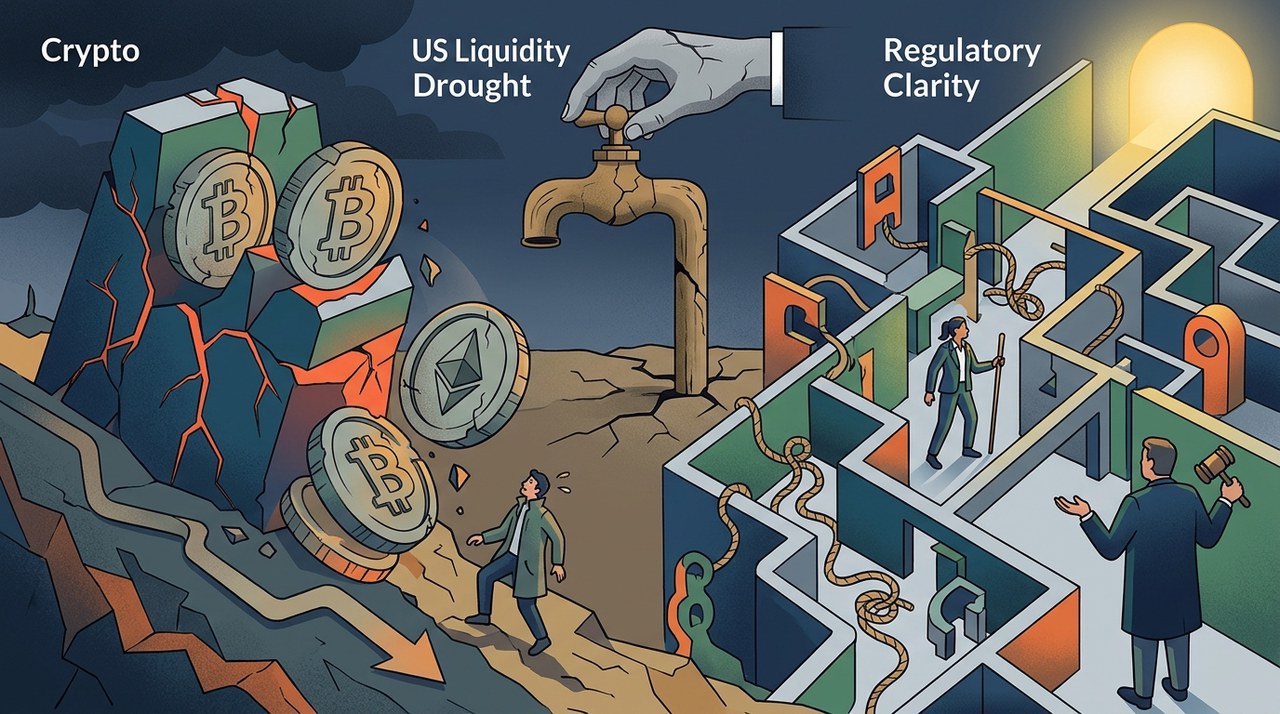
Why Is Crypto Crashing? Raoul Pal and Kevin O'Leary Explain
Raoul Pal and Kevin O'Leary highlight how tight US financial liquidity and regulatory delays are curbing crypto growth and institutional adoption.
|

South Korea Gives Exchanges Power to Freeze Crypto on Suspicion
South Korean regulators now permit crypto exchanges to halt withdrawals during suspected hacks, balancing faster asset protection against temporary user access locks.
|