
South Korea Gives Exchanges Power to Freeze Crypto on Suspicion
South Korea Updates Its Crypto Withdrawal Rules
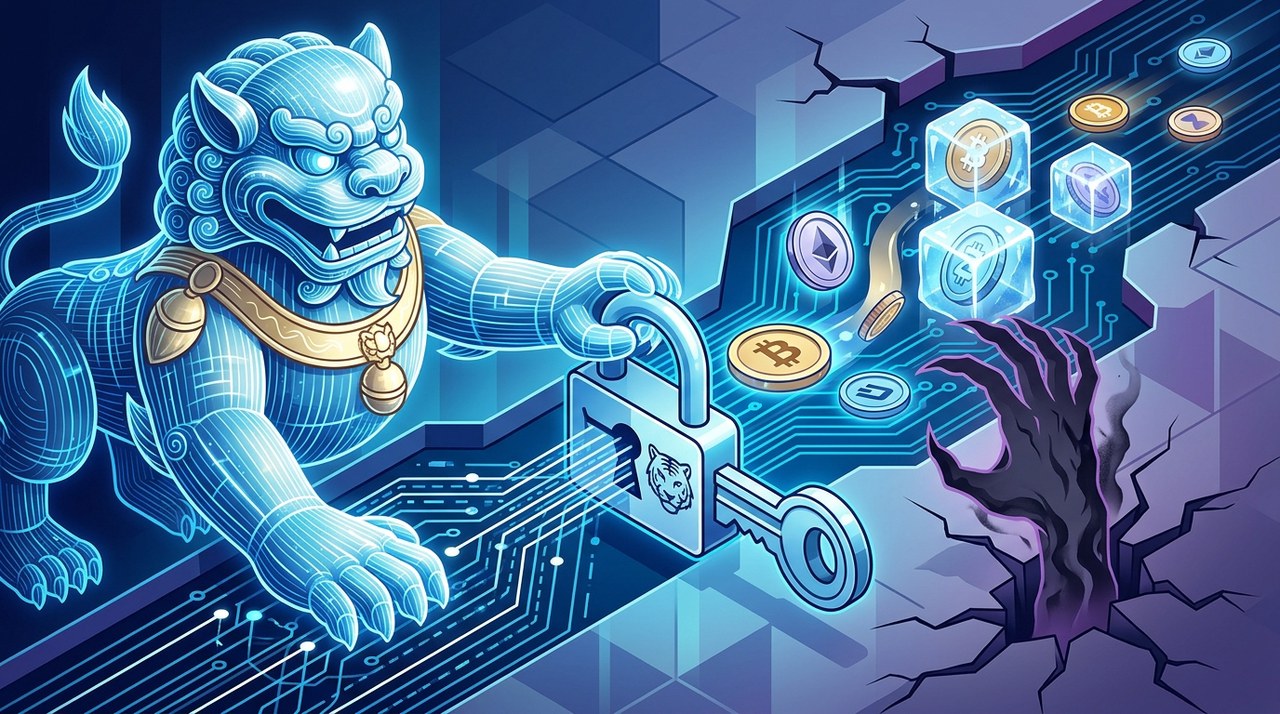
South Korea is changing how cryptocurrency exchanges protect user funds during security scares. Financial regulators in the country have authorized exchanges to freeze deposits and withdrawals when a hack is merely suspected, rather than waiting for absolute confirmation.
This policy shift gives local traders faster defense against cyberCYBER+0.00% theft. However, it also creates temporary uncertainty regarding when users can freely move their assets off an exchange.
Think of it like a fraud alert on a traditional credit card. If your bank notices weird spending, they lock your card instantly to prevent loss, even if they are not 100% sure it is a thief. South Korea is bringing that same rapid response mindset to digital asset platforms.
Why Suspected Hacks Now Justify Urgent Freezes
Under South Korea's existing crypto investor-protection laws, exchanges were strictly forbidden from blocking customer withdrawals without explicit, legitimate grounds. Until now, only an obvious and confirmed hack qualified as a valid reason.
Exchange operators voiced concerns to regulators that pausing user activity during sudden suspicious events left them in a risky legal gray zone. If an exchange froze funds based on an unverified alarm, it risked violating consumer rights laws.
To clear up this confusion, the Financial Services Commission (FSC) issued an official no-action letter. This written pledge confirms that regulators will not penalize exchanges for blocking withdrawals when responding to credible cyber threats.
Recent High-Profile Incidents Driving the Decision
South Korean officials emphasized that speed is the single most critical factor in stopping major crypto heists. When hackers breach a system, millions of dollars can vanish in seconds if doors remain open.
Regulators highlighted several major security incidents that prompted this regulatory update:
- Binance Incident: Attackers drained roughly $6.3 billion from the platform in late October, a massive theft later linked by the FBI to North Korean state-sponsored hackers.
- Bithumb Data Leak: Bithumb disclosed a personal data leak stemming from an internal mobile system in late October.
- GOPAX Trading Pause: GOPAX temporarily halted both trading and withdrawals on November 6 after receiving an active hacking threat.
These events highlighted the urgent need for local exchanges to react instantly without fearing regulatory pushback.
Mandatory Security Audits and Watchdog Cyber Breaches
Alongside early freezing privileges, the FSC wants tighter security oversight across the entire domestic industry. The agency is pushing all 28 registered crypto businesses in South Korea to join the Financial Security Institute (FSI), a state-run cyber auditing agency.
Currently, only five Korean exchanges that offer South Korean won trading are active members of the FSI. The FSC intends to bring the remaining 23 businesses under similar security screening and vulnerability check procedures.
However, this initiative comes at a delicate moment for the security auditor itself.
The Financial Security Institute confirmed that hackers breached an online portal used by financial institutions to submit confidential security-audit paperwork.
The stolen documentation may include answers that financial firms provided during their security assessments. While the FSI clarified that the breached portal operates outside its core security network, regulators are actively assessing what data was compromised.
Hot Wallets, Offline Reserves, and the Digital Asset Act
The new FSC guidelines also push domestic exchanges to reduce asset exposure by maintaining minimal token balances in active hot wallets (online wallets connected directly to the internet).
Exchanges are being encouraged to increase their insurance coverage and reserve funds to cover potential damages. Most local operators already maintain strong reserve habits:
- Legal Requirement: South Korean law requires exchanges to keep at least 80% of client assets in offline cold storage.
- Current Industry Standard: Most major South Korean exchanges currently hold over 95% of client funds completely offline.
Keeping funds offline drastically reduces the risk of online theft, though it requires careful management to ensure smooth daily liquidity.
What Lies Ahead for Crypto Regulation in Seoul
For now, South Korea is managing exchange security primarily through administrative guidelines and temporary regulatory letters. Long-term, binding regulations depend on the passage of the proposed Digital Asset Act.
Once enacted into law, the Digital Asset Act will enforce bank-grade IT requirements on all crypto operators and establish clear statutory liability for user losses caused by breaches.
Until then, Korean traders must navigate a transitional environment where exchanges have greater power to halt transactions quickly in the name of security.
Latest blog posts



Is the AI Trade Over? What It Means for Bitcoin
Fidelity analyst Jurrien Timmer suggests the AI stock boom may be cooling, raising questions about whether investor funds could rotate into Bitcoin.
|
Canaan Considers Bitcoin Sales After Mining Revenue Drops 96%
Canaan has launched a $20 million share buyback program despite a 96% fall in mining rig revenue, potentially selling Bitcoin reserves to fund it.
|

Watchdog Asks DOJ and FBI to Investigate Bo Hines
A watchdog group requested a federal investigation into former White House crypto adviser Bo Hines over his ties to stablecoin issuer Tether.
|