Why Crypto Card Providers Offer Big Rewards Despite Heavy Losses

The Big Bet Behind Crypto Card Rewards
Getting cash back in cryptocurrency sounds like a great deal for consumers, but for card issuers, it is an expensive strategy. Crypto card startups are racking up substantial losses simply to buy customer loyalty with generous reward programs.
The core strategy relies on a simple trade-off: absorb upfront costs to acquire users today, and convert those cardholders into active participants in the platform's broader financial services tomorrow.
How Card Providers Plan to Turn a Profit
Card providers do not expect to make money from payment swipes alone. Interbank interchange fees are rarely enough to cover 2% to 8% crypto cashback rewards. Instead, businesses are betting that revenue from three key crypto activities will cover the rewards bill:
- Trading Fees: Earning commissions whenever users buy, sell, or swap crypto assets within the app.
- Lending Products: Generating interest margins by offering collateralized crypto loans or lending assets to institutional partners.
- Staking Revenue: Earning service fees when users lock up their proof-of-stake tokens to help secure blockchain networks.
From Reward Seekers to Long-Term Customers
This tactic borrows heavily from traditional fintech and banking playbooks. Traditional credit card companies often lose money on initial sign-up bonuses, knowing that long-term customer value will eventually exceed the acquisition cost.
In the crypto sector, the main challenge is engagement. Startups must successfully convert passive card users into active traders and stakers who generate recurring revenue for the business.
Market Volatility and Key Considerations
Relying on trading, lending, and staking fees to fund consumer rewards carries unique market risks. When market sentiment turns bearish, trading volumes and staking yields tend to decline, directly impacting the revenue needed to sustain high card rewards.
Furthermore, lending and staking services involve inherent market, smart contract, and counterparty risks. Past performance of digital assets or financial platforms does not guarantee future results.
Providers are betting trading, lending and staking revenue can cover rewards and turn card users into profitable customers.
What This Means for Consumers
Lucrative card rewards remain an attractive way for consumers to earn digital assets on daily purchases. However, users should stay informed about how reward structures may adjust over time as platforms work toward long-term profitability.
Latest blog posts

Key Political Races Shaping the Future of Crypto in 2026
Even if crypto is not a primary campaign focus in 2026, election results will determine who writes the rules for digital assets. Here is how key races could shape the industry.


China Targets Crypto in New Official Anti-Corruption Drive
China's Communist Party has officially added virtual currencies and blockchain to its anti-corruption target list to catch officials moving hidden wealth.
|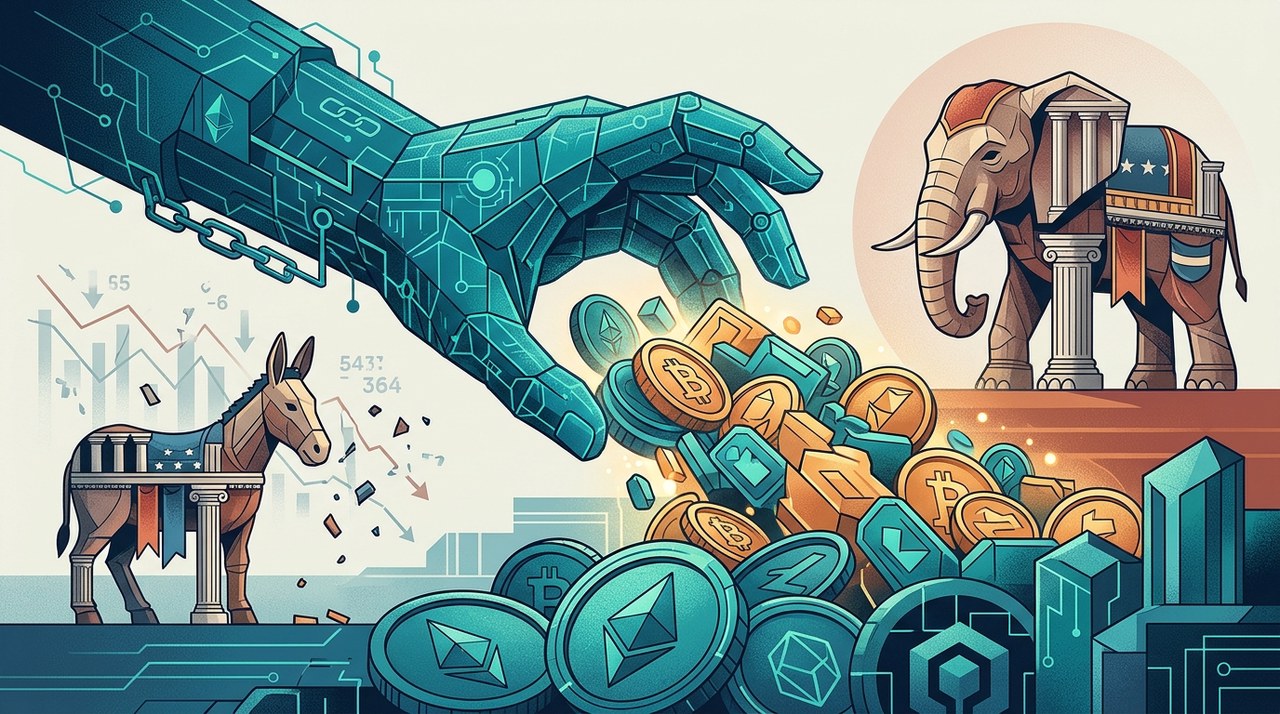
Crypto PACs Back Republicans in Pre-Election Push
Crypto political action committees directed major funding to Republican candidates ahead of the November 3 election, even as polling favored Democrats.