


Which Crypto Projects Can Survive Winters? A Look at RNDR
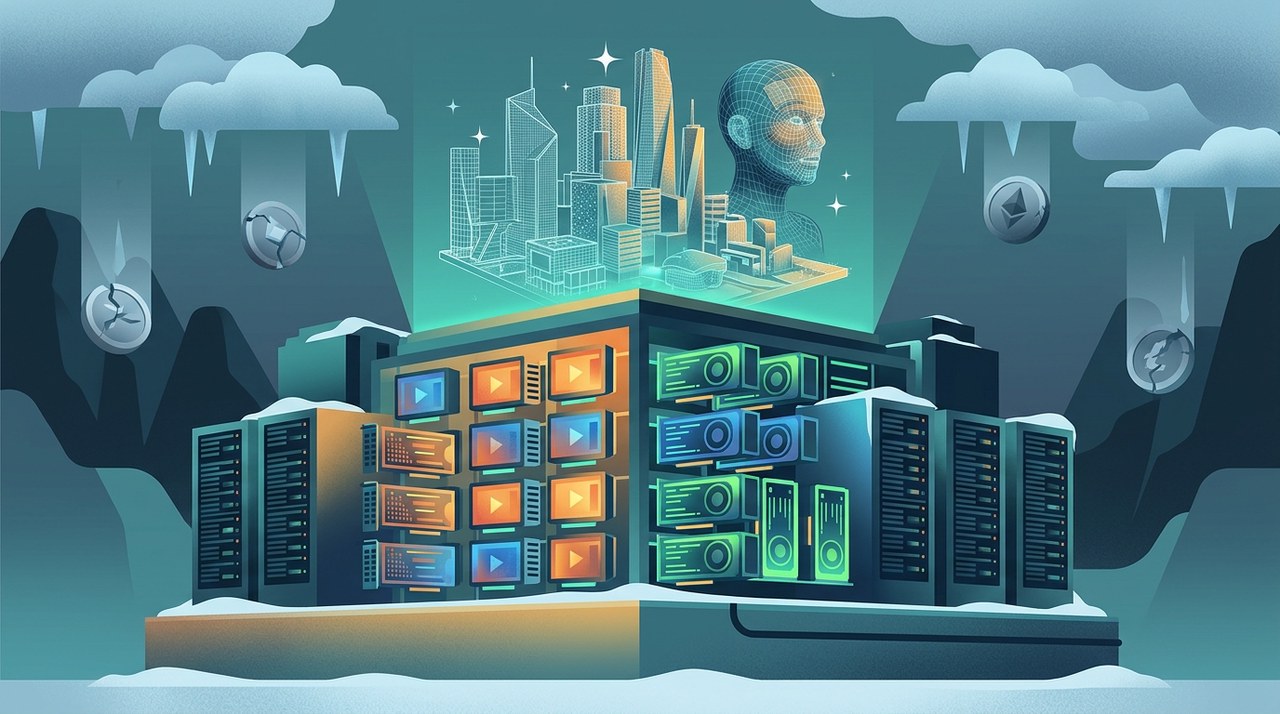
Navigating Market Downturns: Separating Hype from Utility
The crypto market has recently experienced noticeable pullbacks across major assets. Bitcoin (BTCBTC-0.50%) dropped as low as $64,000, EthereumETH-0.80% has struggled to maintain $2,000, and SolanaSOL-1.26% experienced significant slippage down toward $83. Past performance of digital assets is no guarantee of future returns, but market history shows that periods of broader selling often force a healthy shift in perspective.
During bullish market cycles, short-term speculative hype often dominates the conversation. However, when prices cool down, investors and developers alike tend to refocus on underlying fundamentals. Networks built around tangible utility, active development, and real-world demand are often better positioned to navigate market volatility.
Instead of chasing quick returns during downturns, many market participants look for infrastructure projects that deliver practical solutions. One project that has drawn attention for its real-world application is the Render Network (RNDR).
What Is Render and What Real-World Problem Does It Solve?
Render operates as a decentralized network for GPU compute power. Think of it as a digital bridge connecting creators, artificial intelligence developers, and rendering studios with individuals who have unused GPU hardware.
Traditional cloud computing providers rely on centralized infrastructure, rigid commitments, and expensive contracts. Render replaces that setup with a peer-to-peer marketplace where compute power can be accessed on demand.
To make the network accessible, Render integrates directly into standard creative software. Artists using applications like Blender and Cinema 4D can submit heavy rendering jobs without disrupting their daily production pipelines.
How the RENDER TokenRNDR-6.71% Keeps the Ecosystem Running
The native token, RENDER (or RNDR), powers the entire ecosystem. Users who need processing power for 3D animation, AI model training, or complex visual effects pay for GPU compute time using the token.
On the other side of the marketplace, GPU providers earn tokens by supplying their spare hardware. This creates a direct incentive loop driven by actual network usage rather than pure market speculation.
By balancing supply and demand through practical software usage, the network aims to build a self-sustaining ecosystem based on measurable hardware activity.
The Global GPU Shortage and Render's Role
The rapid growth of generative AI and high-end graphics rendering has created an unprecedented global demand for processing chips. Electronic component distributors like Fusion Worldwide have noted that GPU hardware shortages could extend well through 2026, largely driven by tight supplies of high-bandwidth memory.
Major memory chip manufacturers, including Micron and SK Hynix, have reportedly sold out their production allocations, while Samsung warned that component prices could increase by at least 10% due to persistent supply deficits.
Because large AI laboratories and mega-tech corporations buy up hardware years in advance, smaller studios and independent creators often struggle to secure GPU access. While decentralized networks cannot fix global supply chain bottlenecks entirely, Render offers a practical alternative.
Industry estimates indicate that over 40% of global GPU capacity sits unused at any given time. Render taps into this idle supply, allowing creators to run intensive tasks without requiring heavy upfront capital investments.
Real-World Adoption and High-Profile Use Cases
Render's framework has already been utilized in notable real-world environments. The network has supported rendering tasks for major public events and high-profile projects, including:
- Visual production for Super Bowl concert performances
- Immersive graphic displays for the Las Vegas Sphere
- Complex data visualization and analytical workflows for NASA
These implementations demonstrate that decentralized compute infrastructure is already handling demanding, professional-grade workloads beyond purely experimental applications.
Recent Infrastructure Updates and Technical Progress
Despite broader crypto market cooling, Render has continued to roll out technical updates to enhance network throughput and user experience.
Key Upgrades Across the Network
On January 6, the Render Network Manager released an update featuring differential uploads for Blender, significantly decreasing file transfer times when converting 3D graphics into 2D output.
In December, the network expanded its reach into full-stack AI workloads with the introduction of Dispersed, a feature designed to broaden its support for distributed AI-focused GPU task execution.
Earlier in the previous fall season, Render added native support for popular rendering engines such as Cycles and Redshift alongside integrations with cloud storage providers to simplify studio workflows.
Market Projections for GPU Infrastructure and AI
The long-term growth potential for GPU compute remains supported by broader technology trends across artificial intelligence and digital design.
According to research from Messari, the global GPU infrastructure market is projected to expand from $83 billion in 2025 to $353 billion by the end of the decade.
Simultaneously, the global 3D rendering market is forecasted to grow from $4 billion recorded three years ago to over $32 billion by 2032.
Understanding Risks and Long-Term Realities
While decentralized compute infrastructure addresses clear market needs, readers should keep in mind that all digital assets carry inherent market risks and price volatility. High network activity and hardware demand do not guarantee token price appreciation.
Evaluating crypto projects during market drawdowns requires looking beyond short-term price fluctuations to examine adoption, technological updates, and functional utility. Projects solving hardware bottlenecks offer an insightful case study in how blockchain technology interfaces with physical industries.
Latest blog posts

Two Key Market Drivers Today: US CPI and ASML Earnings
Investors are watching the US CPI report and ASML earnings today for clues on Federal Reserve interest rates and semiconductor market growth.
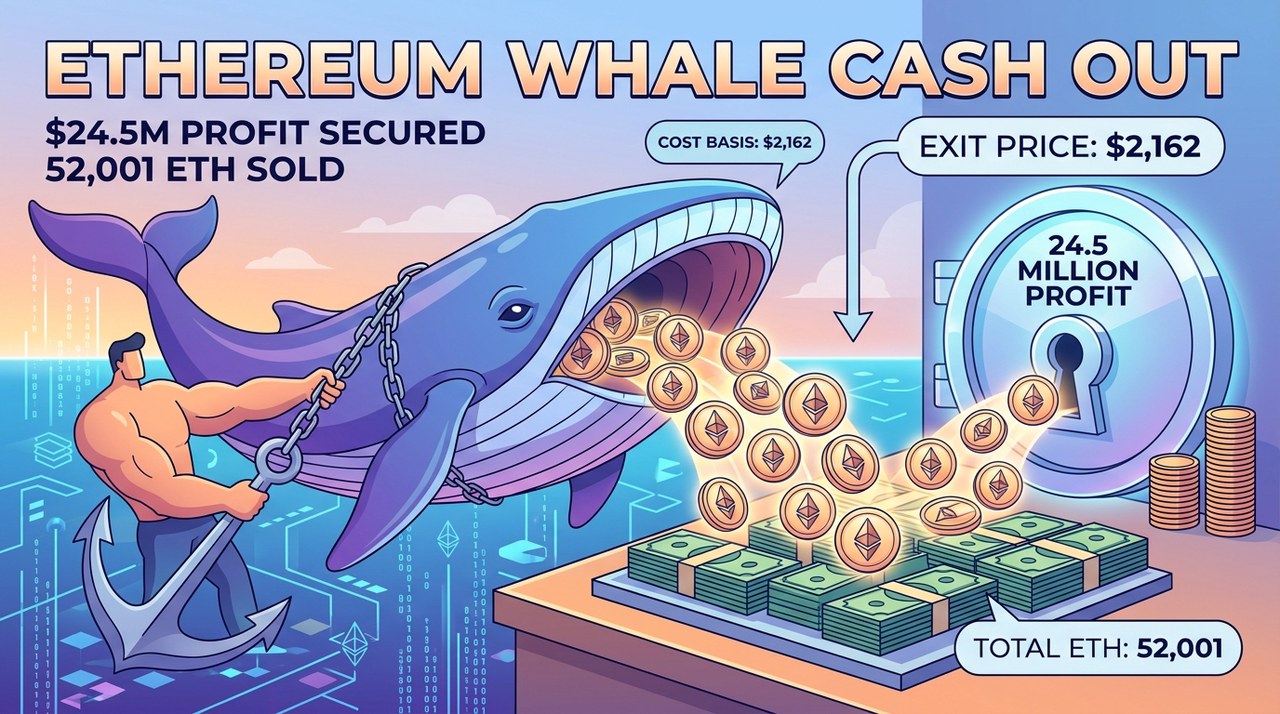
Ethereum Whale Cash Out: $24.5M Profit Secured
A crypto whale recently sold off 52,001 ETH, locking in a $24.5 million profit. Meanwhile, other large holders are rotating funds into Ethereum.
|

Ripple Partners With Meritz Securities in South Korea
Ripple has joined forces with Meritz Securities, its first partnership with a South Korean securities firm to explore institutional digital asset custody and tokenization.
|