
What is GNO (GNO)?
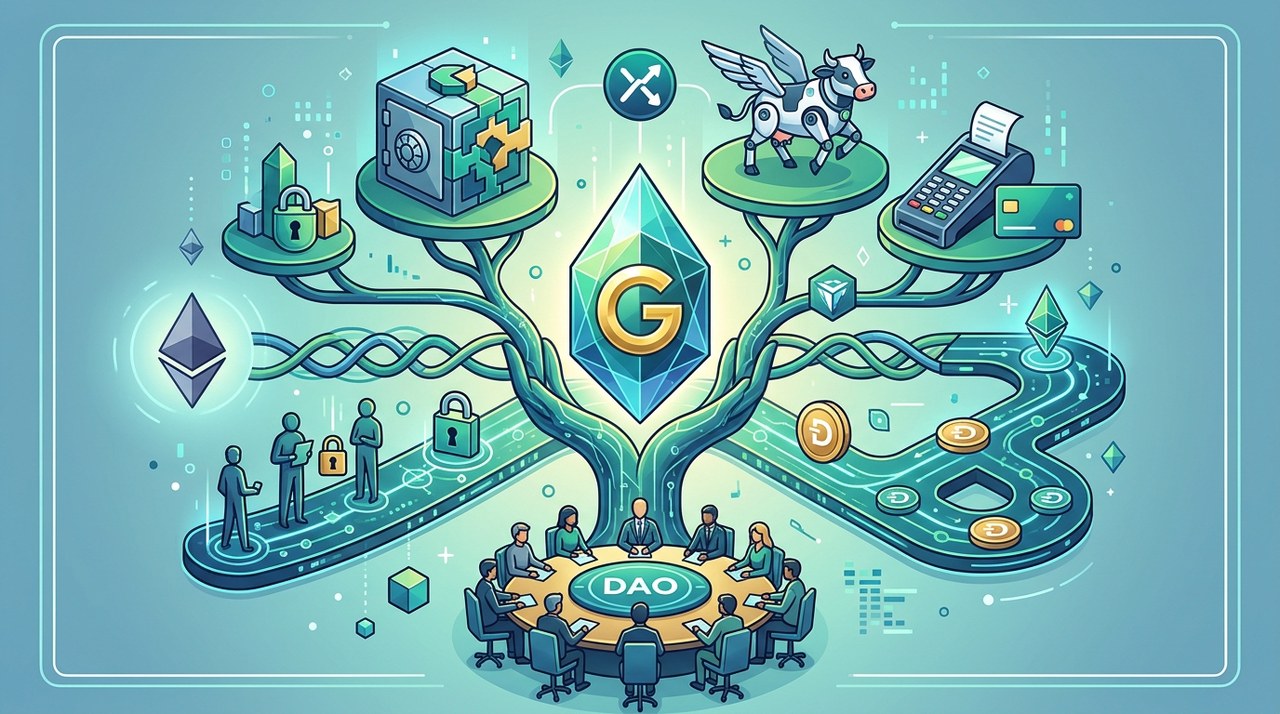
- GNO is the utility, governance, and staking token powering the GnosisGNO+0.00% ecosystem and Gnosis Chain.
- Gnosis Chain operates as an EVM-compatible Layer-1 chain using a Proof-of-Stake consensus mechanism secured by GNO stakers.
- The network features a dual-token design using stablecoin xDai for predictable transaction fees and GNO for network security and DAO governance.
- Gnosis has incubated vital Ethereum infrastructure including Safe (multisig wallet), CoW Protocol (MEV-protected DEX aggregator), and Gnosis Pay.
- GNO can be traded against Thai Baht (THB) securely on Bitkub Exchange.
What is GNO?
GNO is the native utility, governance, and staking token of the Gnosis ecosystem, a comprehensive Ethereum-aligned infrastructure provider and decentralized network. Initially established as a prediction market platform on Ethereum, Gnosis has expanded into a foundational builder of decentralization tools, EVM-compatible blockchain infrastructure, and user-facing Web3 applications.
At the heart of this broader vision lies Gnosis Chain (formerly known as xDai Chain), an Ethereum sidechain secured by a decentralized network of stakers using GNO. The Gnosis ecosystem aims to solve key scaling, usability, and security challenges in Web3 by building open-source infrastructure such as smart contract wallets, decentralized exchanges, payment networks, and bridge solutions.
As the governing token of GnosisDAO, GNO gives holders a voice in shaping ecosystem grants, treasury allocations, core protocol upgrades, and validator incentive structures. Holding and staking GNO directly aligns participants with the security and growth of Gnosis Chain and its surrounding suite of decentralized products.
History and Background of Gnosis
Gnosis was founded in 2015 by Martin Köppelmann and Stefan George under the incubator ConsenSys before becoming an independent enterprise. The project was among the earliest applications built on Ethereum, aiming to revolutionize prediction markets by enabling permissionless event forecasting through smart contracts.
In April 2017, Gnosis launched its GNO token via a Dutch auction token sale, raising $12.5 million within minutes. The token design included a secondary utility token called OWL, which was generated by locking GNO and used to pay platform fees. As the decentralized application space matured, the Gnosis team recognized that user adoption faced major hurdles in transaction costs, wallet security, and decentralized infrastructure.
Between 2018 and 2021, Gnosis shifted its strategic focus toward creating core Ethereum infrastructure. During this period, the team developed standard-setting tools, including Gnosis Safe (now Safe), an industry-standard multisig smart contract wallet, and Gnosis Protocol (which evolved into CoW Protocol).
A key turning point occurred in late 2021, when GnosisDAO passed a governance proposal to merge with xDai Network—a stablecoin-focused payment blockchain. This merger birthed Gnosis Chain, converting GNO into the primary consensus staking token for the combined network and establishing Gnosis as a major Layer-1 alternative closely aligned with Ethereum's architectural values.
- 2015: Gnosis founded within ConsenSys by Martin Köppelmann and Stefan George.
- 2017: Successful GNO token launch via a Dutch auction sale.
- 2018–2020: Launch of Gnosis Safe and early versions of CoW Swap (Gnosis Protocol).
- 2020: Transition to GnosisDAO, placing control of ecosystem assets in token holders' hands.
- 2021: Strategic merger with xDai Network to establish Gnosis Chain.
- 2023–Present: Expansion into real-world payments with Gnosis Pay and enhanced network validator decentralization.
How GNO Works: Architecture and Technical Mechanics
Understanding how GNO functions requires examining the technical design of Gnosis Chain, its consensus mechanism, and its dual-token financial architecture.
Gnosis Chain Architecture
Gnosis Chain is an Ethereum-compatible Layer-1 blockchain engineered for low-cost, high-speed transactions without sacrificing decentralization. It mirrors Ethereum's exact consensus and execution layer design, operating a execution layer compatible with the Ethereum Virtual Machine (EVM) alongside a consensus layer modeled directly after Ethereum's Beacon Chain.
Because Gnosis Chain is fully EVM-compatible, smart contracts written in Solidity or Vyper for Ethereum can be deployed on Gnosis Chain with minimal to no modification. Developers can utilize standard Ethereum tooling, such as MetaMask, Hardhat, Foundry, and Ethers.js, making onboarding seamless.
Proof-of-Stake Consensus and Staking Mechanics
Gnosis Chain relies on a Proof-of-Stake (PoS) consensus mechanism powered by GNO. To run a validator node on Gnosis Chain, operators must deposit GNO as collateral. To keep validator node requirements accessible to smaller operators, Gnosis Chain utilizes a lower staking barrier compared to Ethereum.
Validators earn rewards in GNO for proposing new blocks and attesting to the validity of state updates across the network. If a validator acts maliciously or goes offline repeatedly, a portion of their staked GNO can be slashed, aligning node operator incentives directly with network uptime and integrity.
Dual-Token Model: GNO and xDai
Gnosis Chain adopts a unique dual-token system designed to separate gas fee volatility from network security and governance:
- xDai: Used exclusively for paying transaction fees (gas) on Gnosis Chain. xDai is a stablecoin pegged 1:1 to the US Dollar, ensuring that transaction fees remain predictable and fractionally cheap regardless of broader crypto price swings.
- GNO: Acts as the primary staking asset securing the Proof-of-Stake chain and functions as the voting token within GnosisDAO. Stakers earn yield denominated in GNO.
GnosisDAO and Governance Architecture
GnosisDAO is the collective decision-making body of the Gnosis ecosystem. Managed entirely by GNO holders through snapshot voting and on-chain execution contracts, GnosisDAO governs a substantial treasury containing GNO tokens, stablecoins, and strategic ecosystem holdings.
Proposals follow a structured process starting with informal discussions on the Gnosis Forum, moving to Gnosis Improvement Proposals (GIPs), and concluding with formal GNO token holder votes. Decisions governed by GnosisDAO include protocol parameter tweaks, strategic investments, product spins-off, and treasury allocations.
Key Features and Use Cases of GNO
GNO is far more than a governance asset; it is tied directly to an extensive web of decentralized applications and infrastructure protocols nurtured by the Gnosis team.
1. Staking and Node Validation
The primary utility of GNO is securing Gnosis Chain through validator staking. By operating node software or delegating GNO to liquid staking protocols, token holders earn network yield. Gnosis Chain boasts tens of thousands of active validators worldwide, making it one of the most geographically and technically decentralized networks in Web3 after Ethereum.
2. Decentralized Governance (GnosisDAO)
Holding GNO provides proportional voting weights in GnosisDAO proposals. Key decisions include managing validator rewards, approving software updates, selecting cross-chain bridge standards, and funding development grants for teams building on Gnosis Chain.
3. The Gnosis Ecosystem Stack
GNO sits at the center of several high-profile Web3 technologies originally incubated by Gnosis:
- Safe (formerly Gnosis Safe): The leading multi-signature wallet framework on Ethereum and EVM chains, securing tens of billions of dollars in enterprise and DAO assets.
- CoW Protocol (CoW Swap): A decentralized trading protocol that uses batch auctions to protect traders from Maximal Extractable Value (MEV) such as front-running and sandwich attacks.
- Gnosis Pay: A Web3 infrastructure layer connecting decentralized self-custody wallets to traditional debit card payment rails, allowing users to spend crypto directly at traditional point-of-sale merchants.
- Hashi: An open-source bridge aggregator framework built to enhance cross-chain security by relying on multi-prover validation mechanisms.
GNO in the Crypto Market: Tokenomics, Utility, and Risks
Evaluating GNO requires an understanding of its token supply dynamics, market position, and potential risk factors associated with Layer-1 networks.
Tokenomics and Supply Dynamics
GNO has a capped total supply of 3 million tokens, a significantly smaller supply ceiling compared to many standard crypto assets. In late 2022, GnosisDAO voted (via GIP-64) to burn 1.5 million unallocated GNO held within the treasury, effectively reducing the maximum potential supply to 1.5 million GNO.
This capped supply structure creates scarcity, while a large percentage of circulating GNO is locked directly in consensus staking nodes or active DAO governance. However, potential investors should monitor circulating supply releases and GnosisDAO treasury management plans when analyzing market dynamics.
Competitive Landscape
Gnosis Chain competes directly with standard EVM Layer-1 chains (such as Avalanche or Polygon) as well as Ethereum Layer-2 scaling solutions (such as Arbitrum, Optimism, and Base). While Layer 2s rely on Ethereum for settlement security, Gnosis Chain operates as an independent Layer-1 sidechain prioritizing extreme node decentralization, high throughput, and steady stablecoin fee pricing.
Risk Factors and Considerations
Before trading or holding GNO, users should carefully consider the following inherent risks in cryptocurrency markets:
- Market Volatility: Like all digital assets, the spot market price of GNO experiences substantial price fluctuations driven by broader macroeconomic trends and crypto market sentiment.
- Layer-2 Competition: Rapid adoption of Ethereum Layer-2 rollups could draw liquidity, users, and developer mindshare away from alternative Layer-1 networks like Gnosis Chain.
- Bridge and Smart Contract Risks: Cross-chain operations and smart contract applications carry risks of bugs or vulnerabilities that could impact token security or cross-chain bridge liquidity.
- Governance Risk: Decentralized governance outcomes rely on voter participation and strategic alignment, which may occasionally lead to disagreements regarding asset allocation or protocol pivots.
Past performance of digital assets is no guarantee of future results. Investors should carefully assess their financial situation and risk tolerance before investing in cryptocurrencies.
How to Buy GNO on Bitkub
For users interested in adding GNO to their portfolio, Bitkub provides a secure platform to trade GNO with Thai Baht (THB). Follow these steps to get started:
- Create and Verify Your Bitkub Account: Sign up on the Bitkub platform or mobile application and complete the identity verification process (KYC) to enable THB deposits and trading.
- Deposit Thai Baht (THB): Navigate to your Bitkub wallet, select Thai Baht deposit, and transfer funds via instant mobile banking QR code or bank transfer.
- Navigate to the GNO Market: Search for the GNO trading pair on the market page or visit bitkub.com/th/market/GNO.
- Place a Buy Order: Choose between a Limit Order (setting your desired price) or a Market Order (executing instantly at current market rates). Enter the THB amount you wish to spend and confirm your order.
- Securely Hold or Transfer GNO: Once your order executes, your GNO tokens will appear in your Bitkub spot wallet. You can hold them securely on the platform or transfer them to a self-custodial wallet for network staking or governance.
Conclusion
GNO has evolved from an early prediction market asset into the utility and governance backbone of one of Ethereum's most resilient infrastructure ecosystems. Powering Gnosis Chain, GnosisDAO, and incubating tools like Safe, CoW Protocol, and Gnosis Pay, GNO stands out for its strong commitment to decentralization and developer tooling.
While Gnosis Chain offers low-cost transactions, predictable stablecoin gas fees, and high validator decentralization, prospective market participants should evaluate market volatility and competitive dynamics from Layer-2 networks before engaging with GNO. You can explore and trade GNO securely on Bitkub today.
Latest blog posts
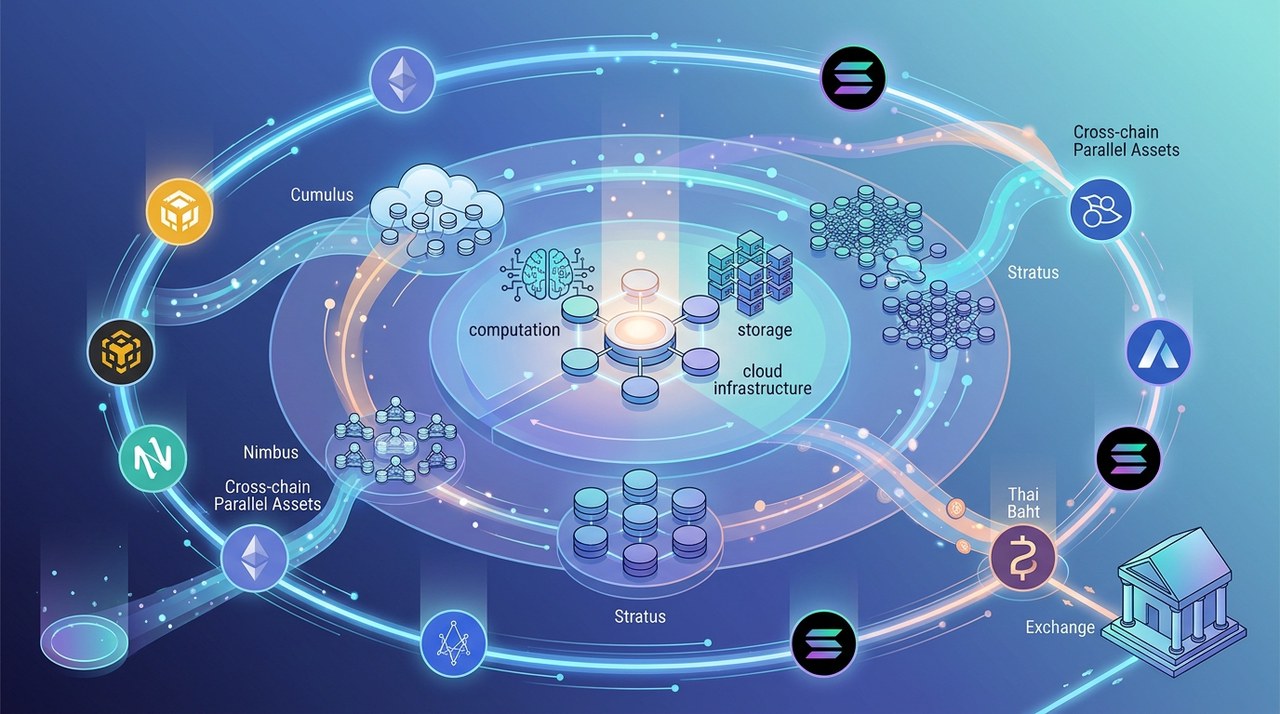

What is Flux (FLUX)?
Flux (FLUX) is a decentralized Web3 cloud computing platform designed to host dApps and server infrastructure without reliance on centralized providers. By combining a multi-tiered node architecture, Proof-of-Useful-Work, and cross-chain parallel assets, Flux offers a resilient alternative for Web3 infrastructure. Discover how Flux operates and how to acquire FLUX tokens on Bitkub.
|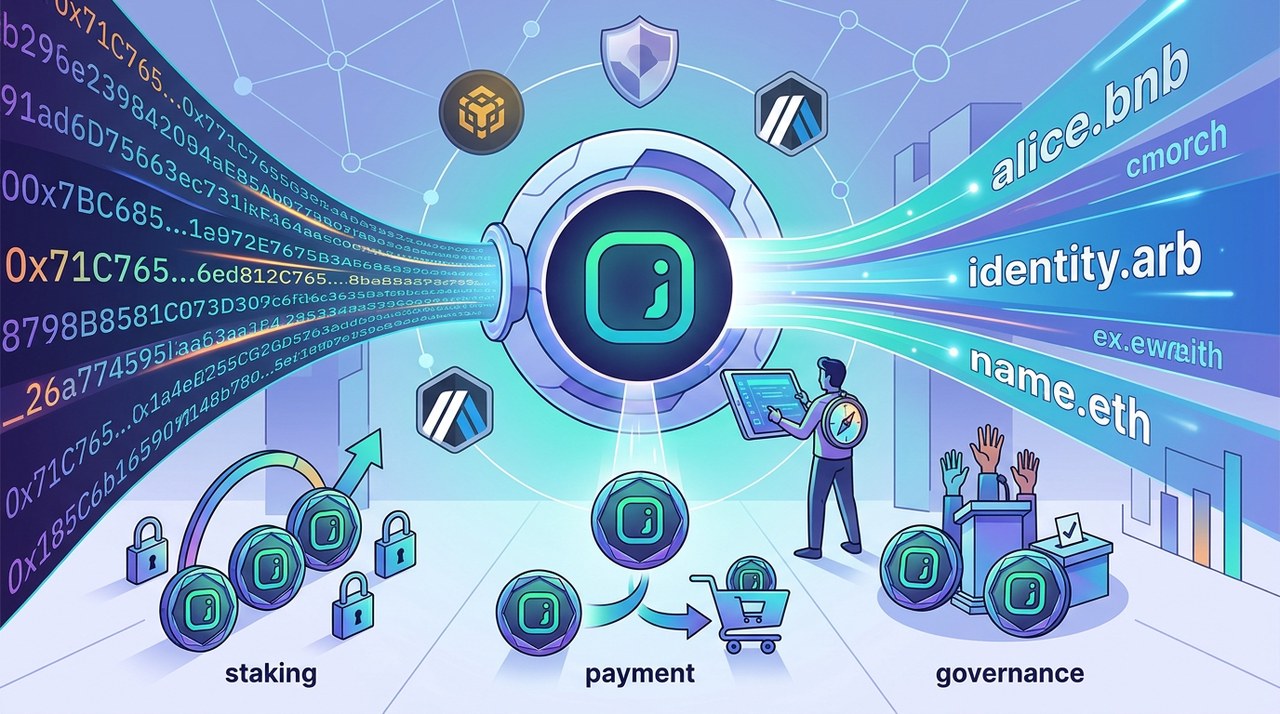

What is SPACE ID (ID)?
SPACE ID is a universal decentralized identity platform designed to simplify Web3 interactions by turning complex wallet addresses into human-readable domain names. Operating across multiple blockchains like BNB Chain and Arbitrum, SPACE ID provides a comprehensive hub for registering, trading, and managing digital identities. Powered by the native ID token, the protocol enables staking rewards, governance voting, and seamless dApp integrations.
|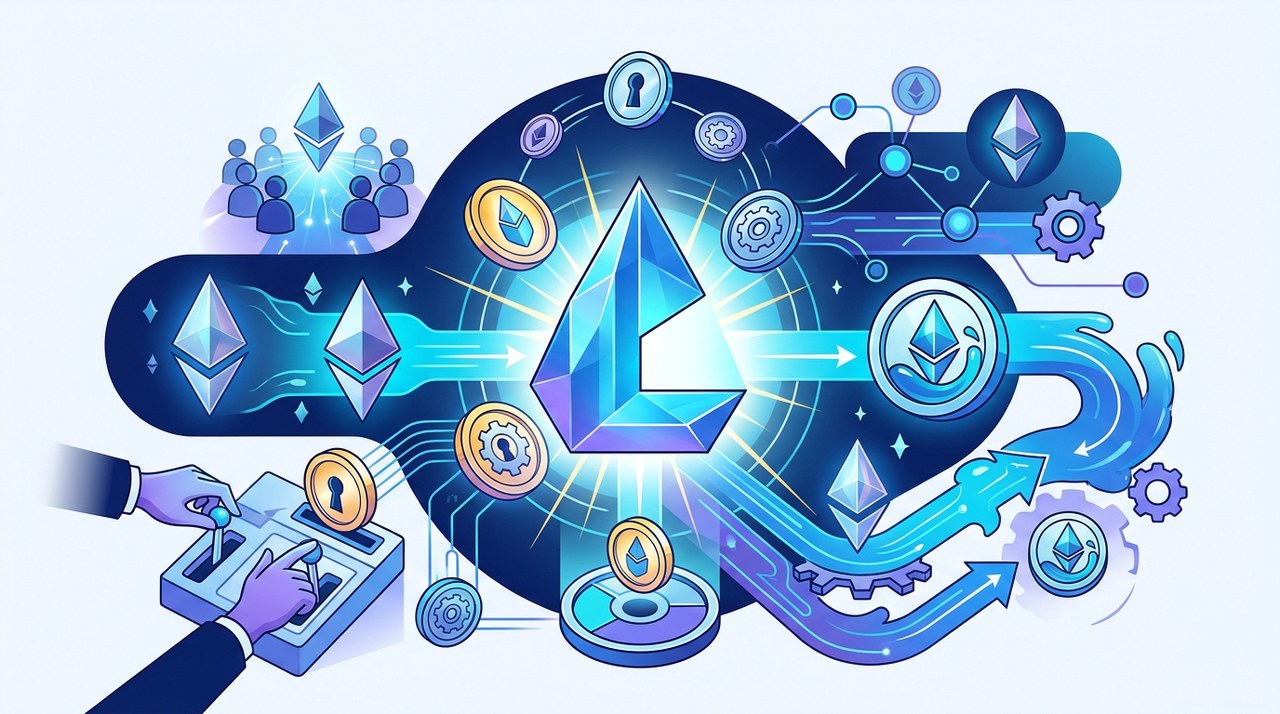

What is Lido DAO (LDO)?
Lido DAO (LDO) is a market-leading liquid staking protocol designed to eliminate capital illiquidity in Proof-of-Stake blockchains like Ethereum. By depositing ETH, users receive stETH to earn staking rewards while continuing to use their tokens across DeFi applications. LDO serves as the protocol's governance token, enabling holders to direct protocol parameters and treasury allocations.
|