VeChain CEO: Blockchain Provides Perfect Solution for AI Trust
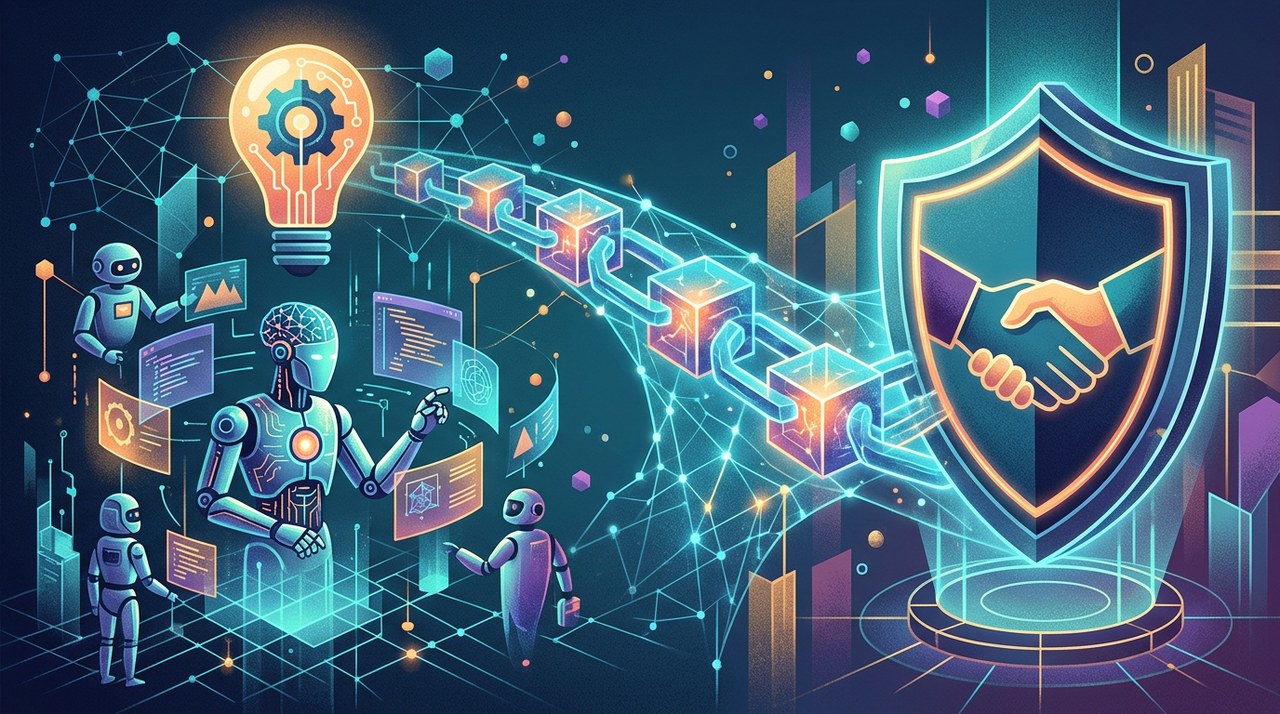
Blockchain Meets Artificial Intelligence
VeChain CEO Sunny Lu believes blockchain technology is the key to solving one of the biggest challenges facing artificial intelligence today: trust.
As autonomous AI agents become more independent, Lu argues they will require robust identity and reputation systems to interact safely with humans and each other.
Understanding AI Agents and the Trust Gap
Let us break down what an AI agent actually is before diving into the technology.
Think of a standard AI tool like a helpful chat assistant. You ask a question, and it gives you an answer.
An AI agent goes one step further. Instead of just giving advice, an AI agent can execute actions on your behalf.
- Booking flight tickets and hotel rooms based on your personal preferences
- Managing digital wallets and executing automated financial transactions
- Negotiating service agreements with other automated software systems
This creates a massive question: how do you know an AI agent is legitimate, and how can you trust it with real authority?
Why Blockchain Is the Ideal Solution for AI Trust
According to Sunny Lu, blockchain technology provides the exact infrastructure needed to solve this identity crisis.
Traditional centralized servers can suffer from single points of failure or data tampering. Blockchain offers a different approach.
- Decentralized Identity: Giving every AI agent a verifiable cryptographic identity.
- Transparent Reputation: Recording an agent's history and task track record on an immutable ledger.
- Smart Contract Rules: Setting hard parameters that an AI agent cannot breach when executing tasks.
When an AI agent possesses an on-chain identity, external systems can instantly verify its track record before granting access or approving payments.
Introducing VeWorld.ai
Lu made these comments while promoting VeWorld.ai, a dedicated platform designed for building and managing AI agents.
VeWorld.ai aims to provide developers with tools to create autonomous agents that seamlessly connect with blockchain networks.
By embedding cryptographic tools directly into agent development, the platform seeks to simplify how software agents establish trust and verify actions.
Challenges and Considerations
While integrating AI with blockchain offers clear technical potential, practical hurdles remain before widespread adoption occurs.
Developers still face challenges related to network scalability, security protocols, and regulatory uncertainty surrounding autonomous software operations.
Additionally, digital asset markets experience high volatility and technical shifts.
Past performance of digital assets is no guarantee of future results. Investors should evaluate tech developments and market risks carefully. Check out current trends on Bitkub Market.
Looking Ahead
As artificial intelligence tools become more autonomous, verifiable identity systems will likely play a central role in software design.
Sunny Lu's proposal highlights how decentralized networks could provide the foundational layer for safe AI interaction.
The long-term success of platforms like VeWorld.ai will depend on developer adoption and practical utility in real-world scenarios.
Latest blog posts
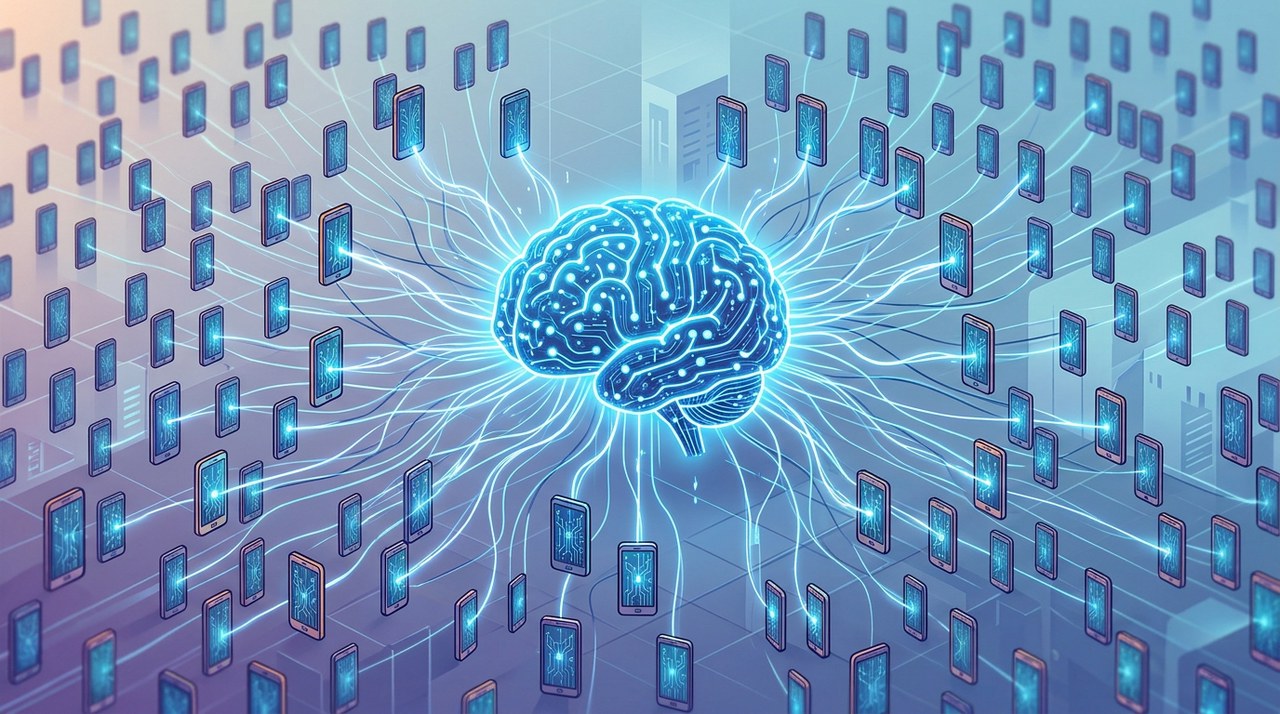
Can Mobile Phone Networks Really Power AI?
Decentralized AI networks aim to turn smartphones into computing hubs, but technical hurdles leave skeptics cautious.
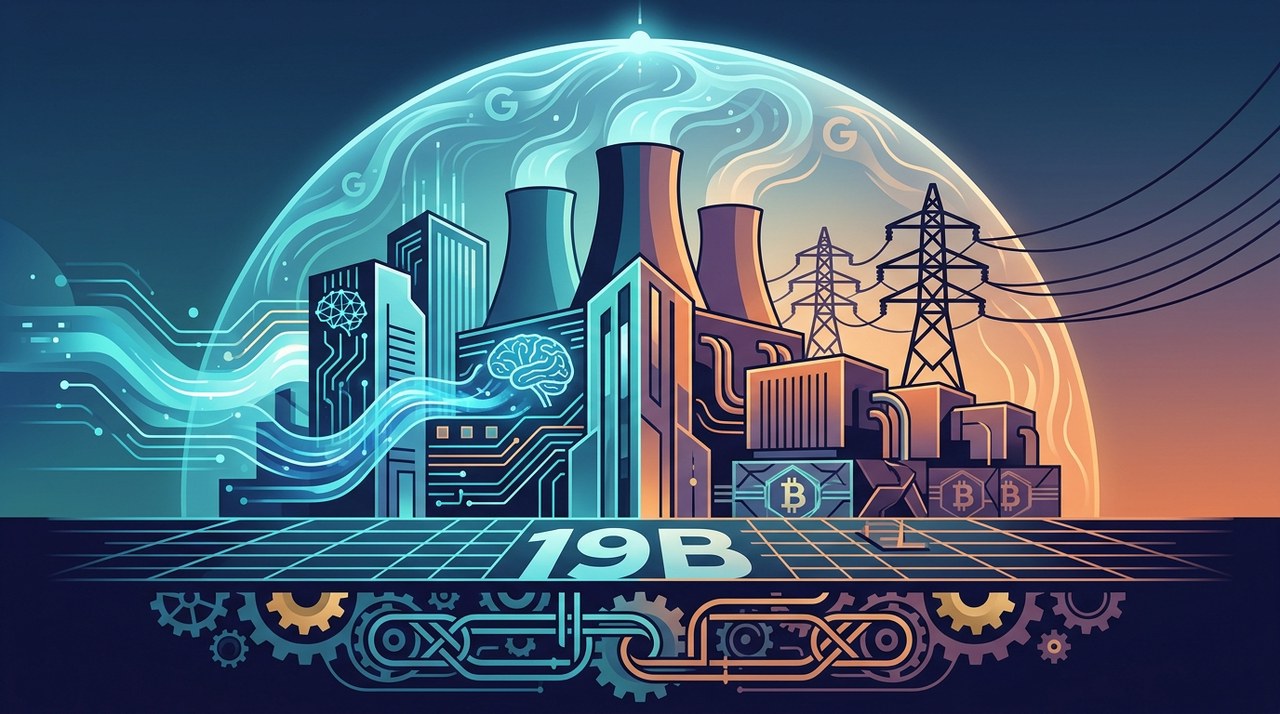

Google May Take Stake in TeraWulf $19B AI Deal
A unique clause in a $19 billion data center agreement allows Google to claim a stake in TeraWulf's AI project if Anthropic fails to pay rent.
|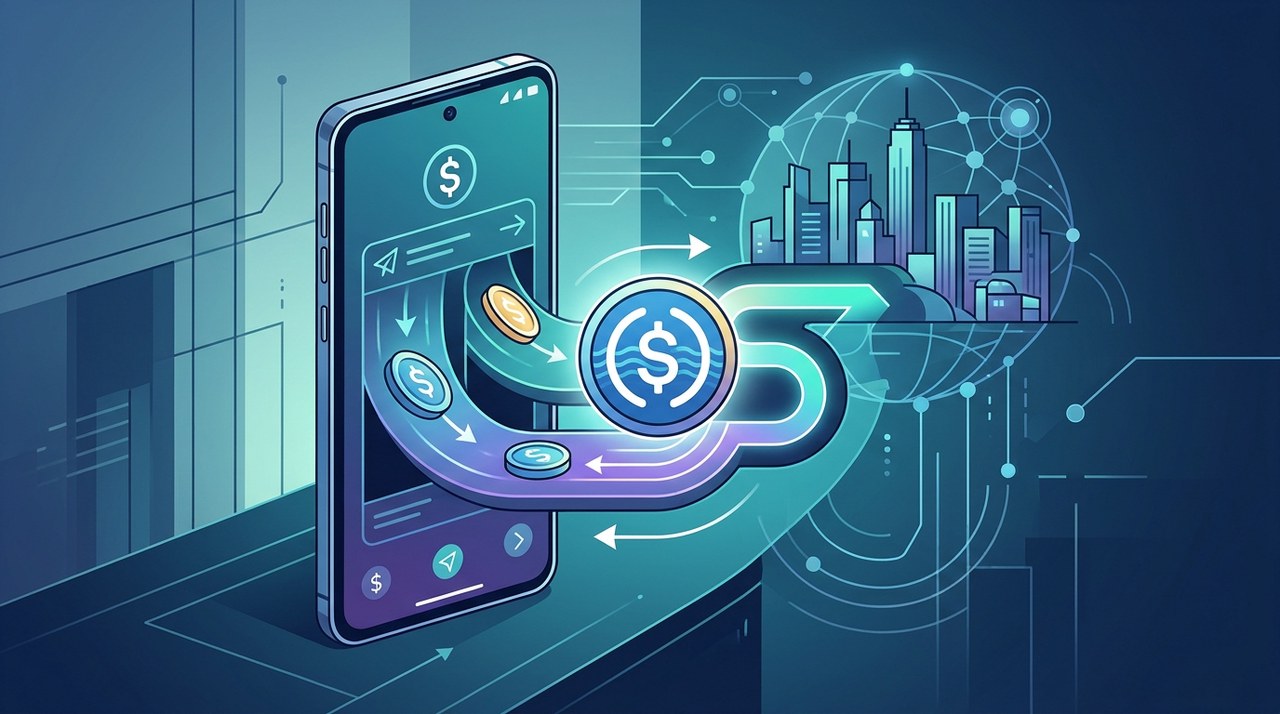


Samsung Wallet Adds Solana USDC for US Galaxy Users
Samsung Wallet now allows eligible U.S. Galaxy users to buy, hold, send, and receive USDC on the Solana network directly inside the app.
|