
US Watchdog Exposes Debanking at 9 Major Banks
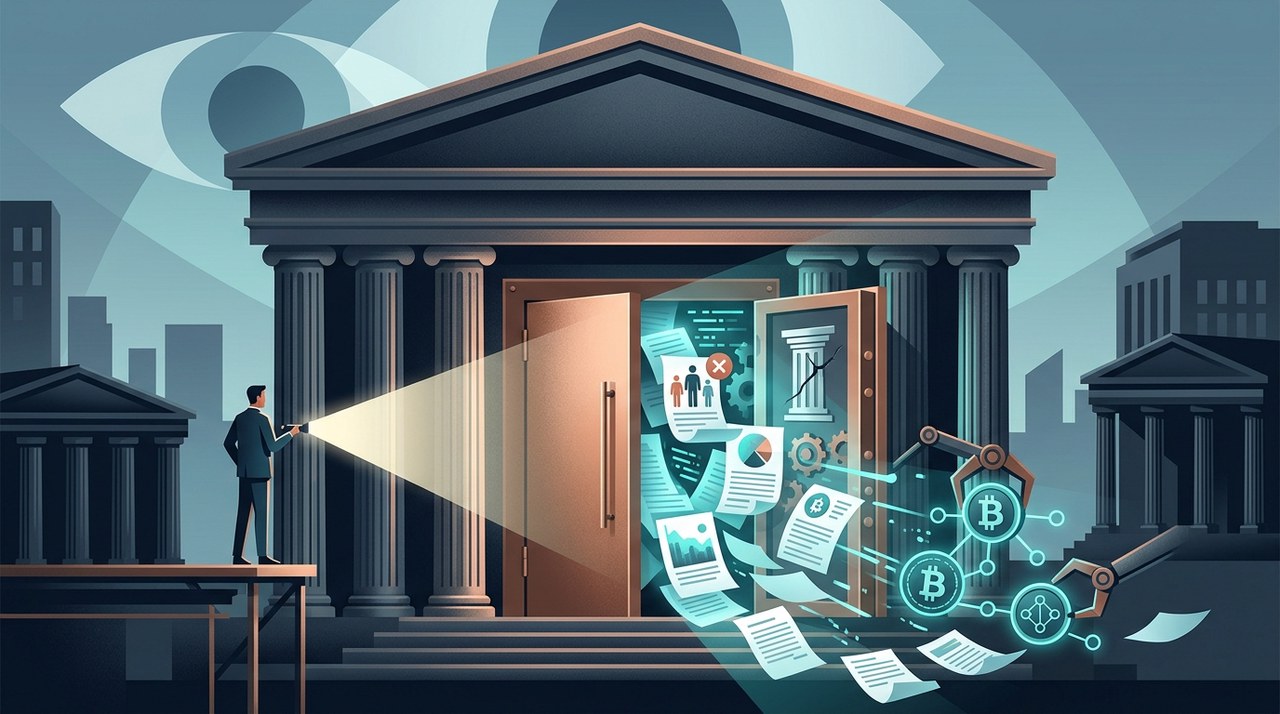
Federal regulators just pulled back the curtain on how America's top banks handle customer accounts. A massive government investigation revealed that nine major US banks routinely closed or restricted accounts based on political views, lawful business activities, and involvement with digital assets.
The comprehensive report comes from the Office of the Comptroller of the Currency (OCC). Watchdogs analyzed nearly 100,000 customer complaints and dug through roughly 420,000 pages of internal documents spanning from 2020 through September 2025.
Which Banks Were Investigated?
The OCC focused its lens on nine of the largest financial institutions operating in the United States:
- JPMorgan Chase
- Bank of America
- Citibank
- Wells Fargo
- U.S. Bank
- Capital One
- PNC
- TD Bank
- BMO Bank
The investigation found that these institutions relied heavily on vague reputation risk policies. Instead of using clear financial metrics, banks often substituted subjective judgments to cut ties with customers.
Politics, Crypto, and Lawful Businesses Hit
Imagine running a legitimate business, only to wake up and find your bank account frozen. That is exactly what happened across several industries. Regulators highlighted six major sectors heavily disrupted by these debanking practices, with digital asset activities named as a key area of impact.
The OCC report highlighted specific real-world examples across the political spectrum and various sectors:
- Trump Merchandise Sellers: In February 2021, JPMorgan's payment subsidiary, Wepay, closed an account selling MAGA and Trump-related products.
- Conservative Media Companies: PNC refused to extend credit to a media company due to the owners' public political and religious views.
- Democratic Organizations: Politically motivated restrictions were not one-sided, as groups supporting Democratic candidates also faced account hurdles.
- Targeted Industries: Firearms manufacturers, coal producers, oil and gas firms, private detention facilities, and tobacco companies suffered similar restrictions.
Internal Emails Reveal the Mindset
Internal communications gave regulators a rare look into how bank staff justified closing customer accounts.
In the JPMorgan Wepay case, an employee explicitly noted in internal notes: 'We closed their account due to violating our Wepay's Terms of Services (MAGA and Trump-related items are part of it).'
At PNC, an employee questioned doing business with a conservative media company, stating: 'I think it becomes really difficult to justify aligning ourselves with a company whose owners have built very public personas around opinions very contrary to PNC's beliefs/values.'
A Double Standard for Wealthy Clients
The investigation also uncovered a glaring double standard in how banks applied risk rules. While ordinary customers and small businesses faced sudden account closures over unverified allegations, high-net-worth clients received vastly different treatment.
Regulators noted that wealthy individuals often kept their accounts active even when facing serious negative publicity. Meanwhile, smaller firearms sellers had to agree to strict internal social standards, such as limiting magazine capacity or enforcing age limits, just to keep their bank accounts.
Regulators Demand Real Reform
Comptroller Jonathan V. Gould did not hold back when sharing the agency's findings in an official press release.
Today's report provides irrefutable evidence that the nation's largest banks have denied, debanked and discriminated against customers and lawful businesses.
Although banks have started tweaking their guidelines, the OCC warns that the problem isn't solved. Some banks simply rebranded reputation risk under new terms like brand risk or franchise risk.
Fair access to financial services is not a mantra—it is a mandate.
What Lies Ahead for Crypto and Banking?
The OCC has already stripped reputation risk considerations from its standard bank examination process. Moving forward, regulators are evaluating additional supervisory rules to enforce fair access across all industries.
This shift comes alongside major developments in the broader market. For instance, World Liberty FinancialWLFI-0.15%, a decentralized finance (DeFi) firm linked to the Trump family, recently cleared its first major banking hurdle with regulatory approval.
While regulators work to eliminate unfair debanking, the main challenge remains ensuring that banks apply objective, transparent risk standards to every customer equally.
Latest blog posts



Ripple Partners with DriveWealth to Speed Up Global Trading
Ripple has teamed up with global brokerage provider DriveWealth to integrate stablecoin settlements and institutional prime brokerage services into traditional financial markets.
|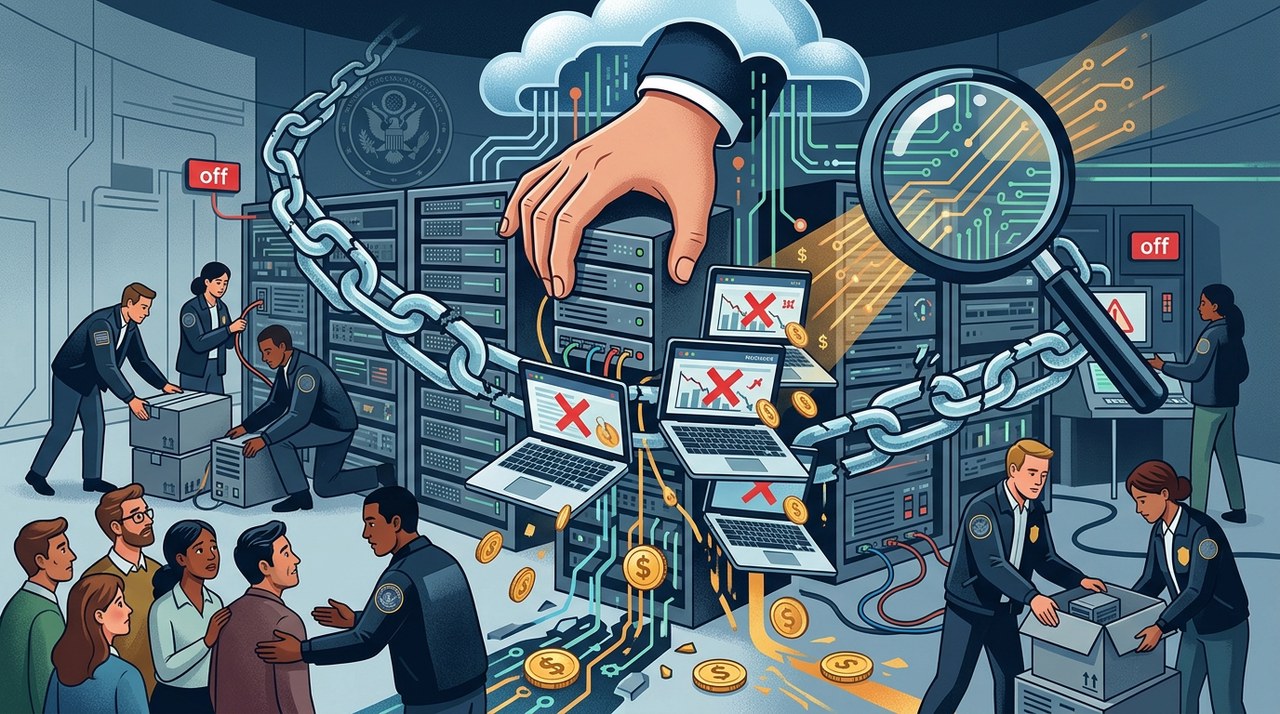
US Authorities Dismantle $10M+ Crypto Scam Network
Federal prosecutors in Brooklyn and the FBI seized 112 servers and shut down 241 fake investment websites targeting Russian-speaking Americans.
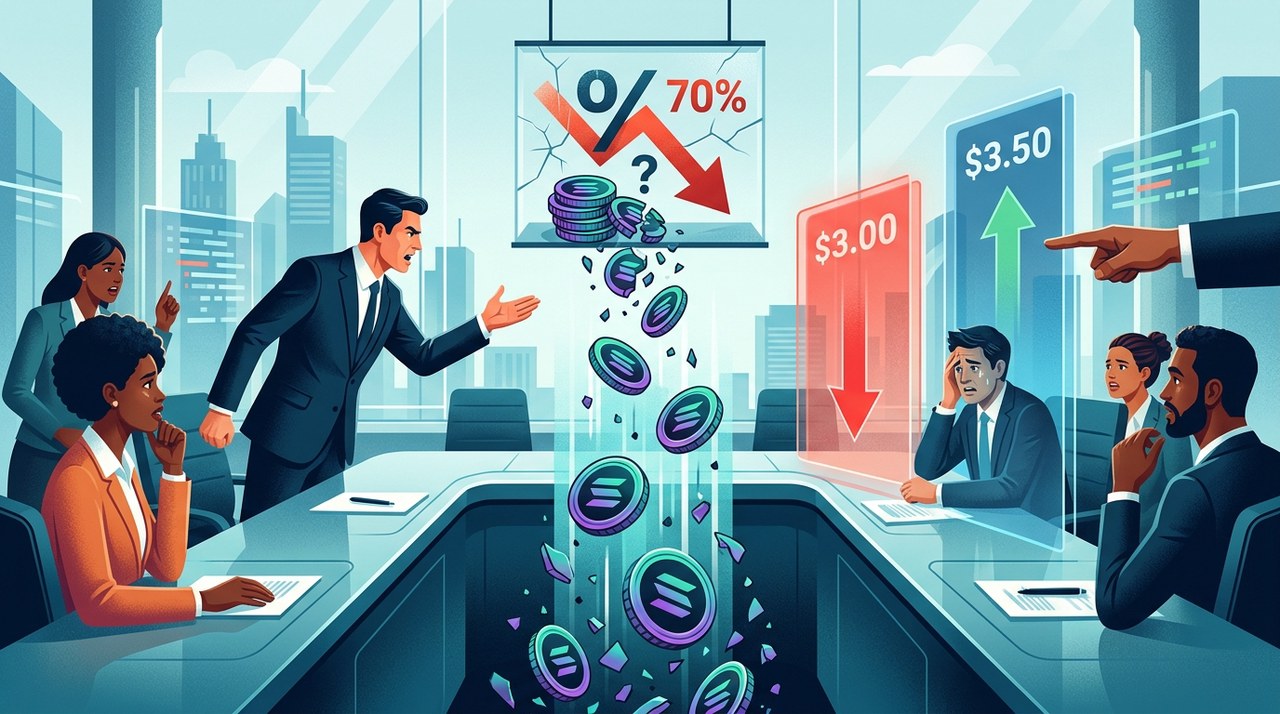

SkyAI Faces Pressure After 70 Percent Solana Treasury Drop
Bastion Trading is demanding answers from SkyAI after 400,000 SOL vanished from its balance sheet, raising governance concerns.
|