
Tether Sued Over $2.76 Million Stablecoin Freeze
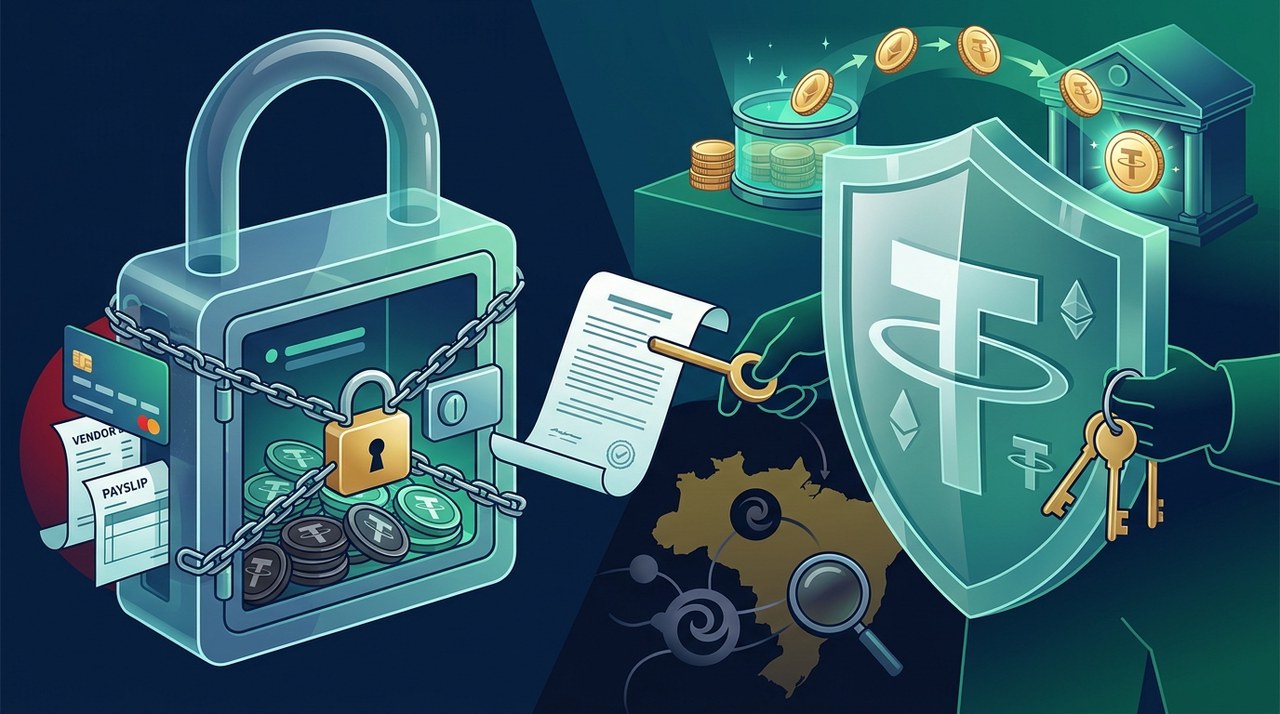
The Core Dispute: A $2.76 Million Blackout
Imagine waking up one morning to find your company's primary operating account completely locked. You cannot pay staff, settle vendor bills, or cover day-to-day costs. That is the situation cross-border payment firm Conduit says it faced.
Conduit has filed a lawsuit against TetherUSDT+0.63%, the issuer of the USDT stablecoin, in the U.S. District Court for the Southern District of New York. The lawsuit claims Tether frozen $2.76 million in Conduit's treasury wallet on September 24, 2025.
Conduit alleges that Tether acted without justification and has refused to release the funds for over a year. During that time, Tether allegedly continued earning interest on the reserves backing those tokens.
What Triggered the Freeze? The Brazilian Connection
At the center of the dispute is a law enforcement investigation in South America. Brazilian Federal Police were investigating entities connected to a firm called Onix, which had previously used Conduit's platform.
However, Conduit clarifies that its locked treasury wallet was created in May 2025. That was nearly a month after Onix executed its final transaction on Conduit's system.
Furthermore, Conduit states that the wallet never held any funds associated with Onix. Court filings show Brazilian police confirmed they never requested a freeze on this wallet and did not know what criteria Tether used.
Instead, evidence points to Tether's internal T3 Financial Crime Unit as having made the decision independently.
Real-World Impact: Layoffs and Office Closures
For Conduit, losing access to $2.76 million caused major operational disruption. The affected wallet acted as the firm's main digital operating account.
Before the freeze, the wallet had processed over $1.1 billion in transaction volume across roughly four months. The sudden loss of liquidity hit hard.
Conduit states that the locked cash forced the company to lay off employees and close several offices.
Adding to the frustration, Tether backing reserves consist largely of yield-bearing U.S. Treasury securities. Conduit argues Tether is benefiting financially from interest on the backing reserves while keeping the customer tokens locked.
Breakdown of the Legal Allegations
Conduit's complaint brings four specific legal counts against the stablecoin giant:
- Conversion: Unlawfully depriving a owner of their property.
- Unjust Enrichment: Retaining financial benefits at another party's expense without legal ground.
- Breach of Fiduciary Duty: Failing to act responsibly toward a platform client relying on its network.
- Computer Fraud: Unauthorized interference with digital account access.
Conduit is demanding that the court order an immediate return of the $2.76 million alongside compensatory damages.
Tether's Delicate Balancing Act on Wallet Freezes
This lawsuit highlights broader questions about centralized control over digital assets. Tether has the technical ability to blacklist USDT wallet addresses directly on the blockchain.
Tether has regularly exercised this power to stop crime, freezing hundreds of millions of dollars linked to illicit transactions. Recently, Tether partnered with Circle to freeze funds tied to the Bitget exchange hack.
However, this is not the only legal challenge Tether faces over wallet controls. The company was sued earlier this year over a separate $42.4 million freeze.
At the same time, lawmakers push Tether to take a harder line. U.S. Senator Richard Blumenthal recently criticized USDT as a financial route for sanctions evasion, pointing to token usage in Iran. This leaves Tether balancing strict compliance demands against user rights.
Key Takeaways for Stablecoin Users
This legal battle serves as a reminder of how centralized stablecoins operate. Unlike decentralized coins, asset issuers like Tether maintain technical backdoors to freeze funds under regulatory pressure or internal risk policies.
While these mechanisms help prevent financial crimes, legitimate businesses can occasionally get caught in administrative freezes. The outcome of Conduit's lawsuit may help clarify the legal boundaries for stablecoin blacklisting in the future.
Note: Past performance or historical activity of digital assets does not guarantee future results. Always consider operational risks when dealing with centralized digital assets.
Latest blog posts

Nvidia News: CEO Jensen Huang Addresses Staff at HQ
Nvidia CEO Jensen Huang led routine executive meetings on Monday following personal admissions, prioritizing business continuity at Santa Clara headquarters.



Deutsche Bank Launches Crypto Custody for BTC and ETH
Deutsche Bank has officially launched crypto custody services for institutional clients, covering Bitcoin, Ethereum, and stablecoins across Europe.
|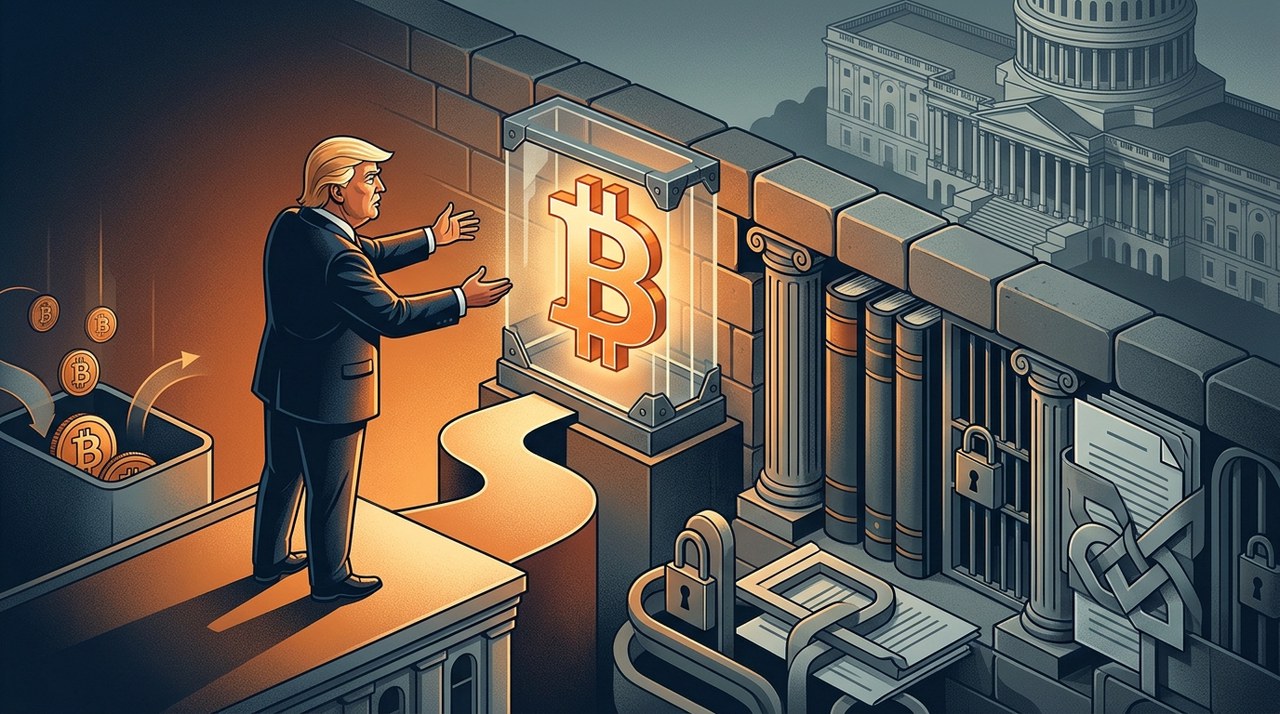
Trump Still Wants Bitcoin Reserve but Faces Legal Hurdles
Former White House adviser Patrick Witt says President Trump wants to buy Bitcoin, but legal restrictions currently block open-market purchases.
|