

Sui and Alibaba Cloud Plan Autonomous AI Payments
A New Way for AI to Pay for Cloud Services
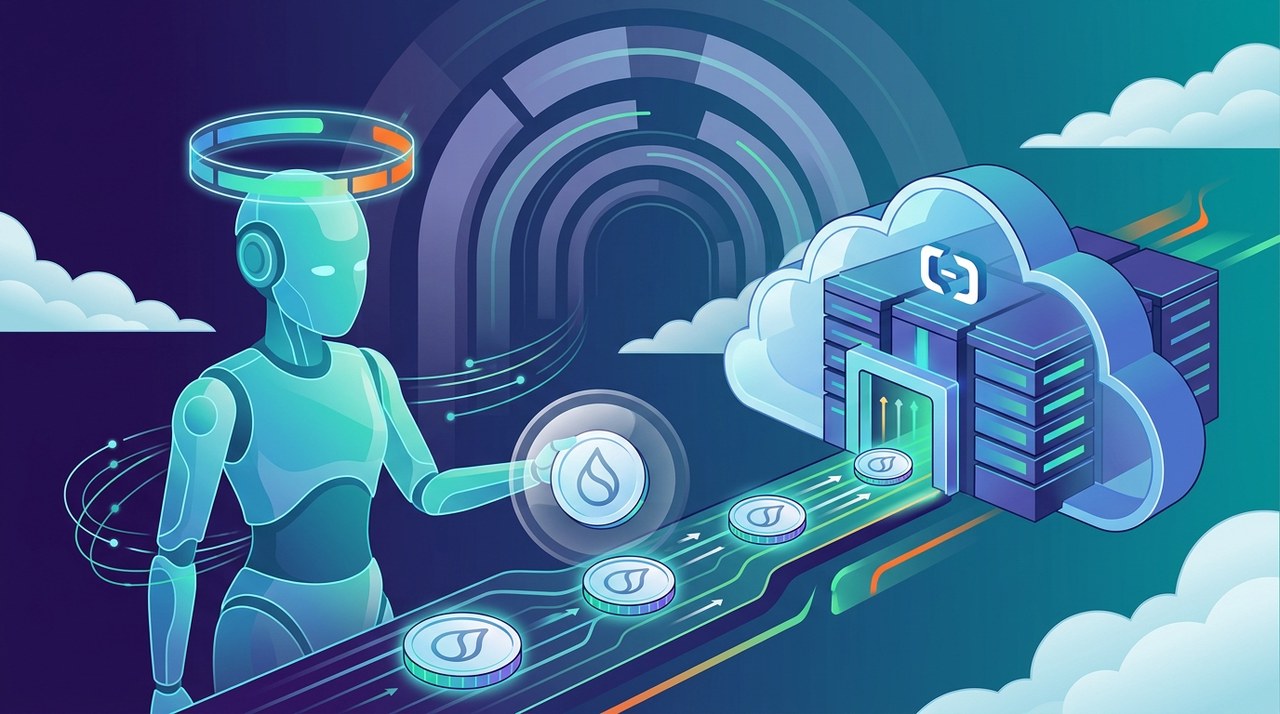
Imagine giving an artificial intelligence assistant a daily budget. The AI then pays for the exact cloud computing power it needs. It does all of this without asking you to approve every single transaction.
That is the concept behind a new collaboration between blockchain platform SuiSUI+2.20% Network and tech giant Alibaba Cloud.
The two companies announced plans to integrate Alibaba Cloud services into Sui Agent Payments. This toolkit allows software programs to make automated micro-payments using stablecoins.
How Autonomous Machine Payments Work
In a traditional online checkout, a human user enters credit card details. A person must manually confirm every single purchase.
That traditional system works well for people. However, it creates a major bottleneck for autonomous software.
With Sui Agent Payments, the checkout process changes completely. Instead of human approval for every API call, a human sets a spending cap.
Once that spending limit is set, the AI agent handles the rest. It pays for cloud services on a per-call basis as it uses them.
This pay-as-you-go setup uses stablecoins issued on the Sui blockchain network. It ensures that payments settle quickly at machine speed.
Unveiled Live at Sui Basecamp in Singapore
The announcement was made live at Sui Basecamp, the annual flagship event hosted by Sui Network in Singapore.
The project represents a growing focus on building tools for automated machine-to-machine commerce.
However, neither company has released specific launch dates, pricing details, or a timeline. It remains unknown which cloud services will feature this integration first.
The Shift Toward an Agentic Economy
This partnership reflects a broader trend across the tech sector toward agentic workflows.
Adeniyi Abiodun, Co-Founder and Chief Product Officer at Mysten Labs, highlighted this shift ahead of the conference.
"Economic activity is shifting from people clicking checkout buttons to agents transacting on their behalf, continuously and at machine speed."
Data from BeInCrypto's State of AI Agent Payments 2026 report supports this view. Out of 19 AI products and workflows reviewed, 14 can already act autonomously within human-set rules.
Key Safety Risks and Unanswered Questions
Allowing software programs to spend money on their own brings real technical risks.
Consider a situation where an AI agent encounters a software bug. If it gets stuck in an infinite loop, it might send thousands of paid requests repeatedly.
Because each call settles automatically, a single coding error could exhaust an entire budget in minutes.
Neither Sui nor Alibaba Cloud has explained whether the system includes built-in rate limits, circuit breakers, or automated emergency alerts.
Furthermore, both firms have yet to clarify how users will instruct or brief AI agents beyond simply setting a numerical spending cap.
The Race to Power AI Micro-Transactions
Sui and Alibaba Cloud are not the only entities working on solutions for AI agent payments.
In September, the CardanoADA+1.18% ecosystem integrated with the x402 open standard. That integration lets AI agents pay for digital services using ADA.
Traditional financial institutions are also studying this space. A research paper from institutional asset manager BlackRock identified stablecoins as a primary candidate for native machine money.
Market Context and SUI Token Performance
Alongside these ecosystem announcements, Sui's native token, SUI, recorded a price increase of approximately 43% over the past month.
Past performance of digital assets is not an indication of future financial performance or returns. Investors can review current market data on Bitkub Market.
While interest in machine payments is rising, real-world adoption remains in its early stages. The ultimate success of this technology depends on whether developer adoption scales safely.
Latest blog posts


21shares Predicts New Bitcoin High by 2027 with Peak Later
Investment manager 21shares projects Bitcoin will surpass its previous record in 2027, backed by institutional demand, tokenization growth, and expanding global regulations.
|
 +1
Ripple CEO Sees Crypto Rally Potential After Anthropic IPO
Ripple CEO Brad Garlinghouse suggests recent crypto dips stem from investors raising cash for high-profile tech IPOs, creating room for a potential market recovery.
|
Trump Memecoin Dinner: Half of Wallets Tied to Offshore
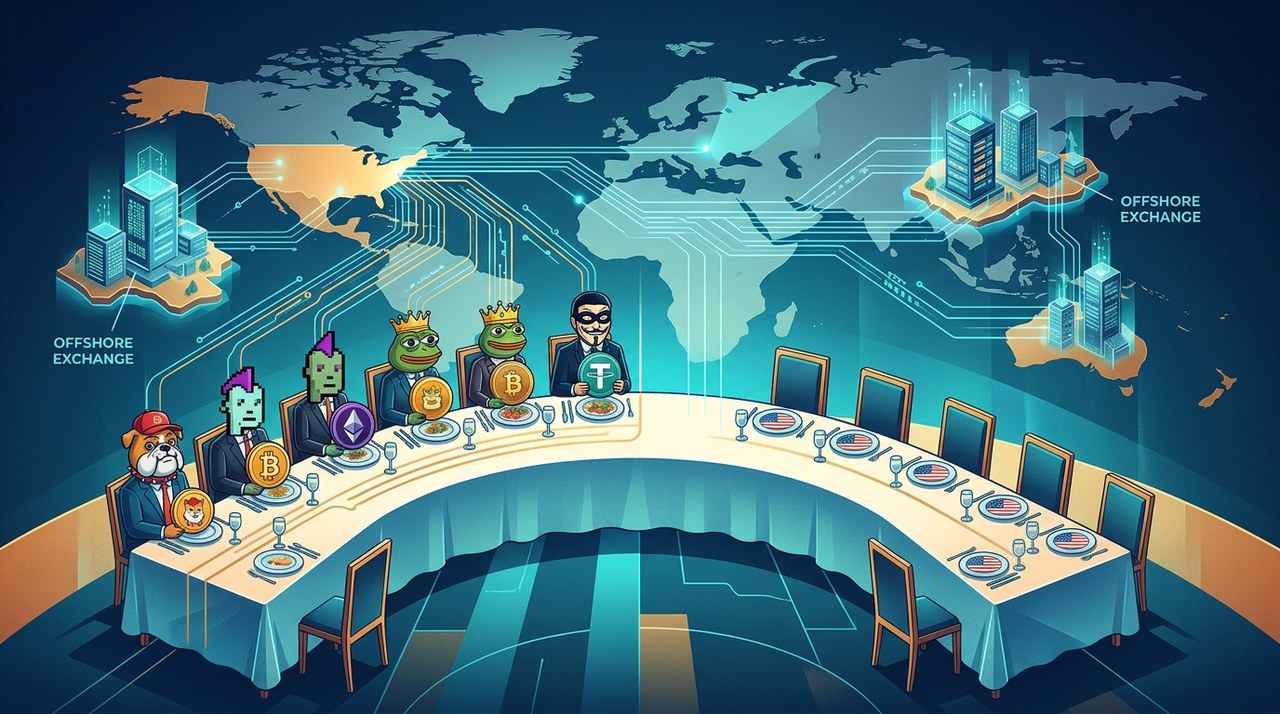
Public Citizen found that 66 out of 130 qualifying wallets for Donald Trump's memecoin dinner received tokens from exchanges that block US users.