Trump Memecoin Dinner: Half of Wallets Tied to Offshore
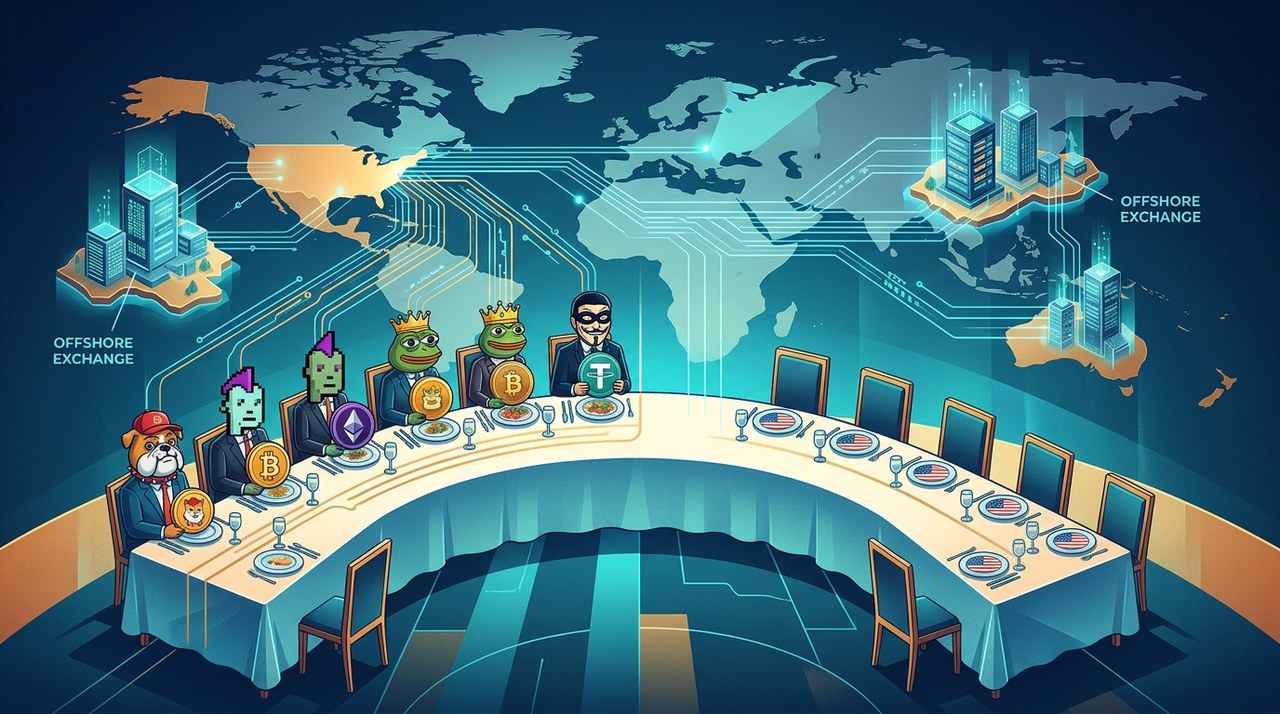
Half of Trump Memecoin Dinner Wallets Linked to Offshore Exchanges
A recent study by consumer watchdog group Public Citizen has sparked intense debate in the crypto community. The organization analyzed the crypto wallets set to attend Donald Trump's upcoming memecoin dinner event.
Out of 130 qualifying crypto wallets, exactly 66 received their tokens from exchanges that officially ban United States residents. This discovery raises new questions about who is holding these tokens and who will be sitting at the table.
Breaking Down the Findings
To understand why this discovery is making headlines, we need to look at how the qualifying process worked. The top holders of a specific Trump-themed memecoin were invited to an exclusive dinner event scheduled for Sunday.
Public Citizen used public blockchain records to follow the money trails. Blockchain ledgers are transparent, meaning anyone can view where tokens come from and where they go.
- Total qualifying wallets analyzed: 130 wallets
- Wallets linked to non-US exchanges: 66 wallets (50.7%)
- Primary finding: Over half of the top holders interacted with foreign crypto platforms that restrict US users.
What Are Non-US Exchanges and Why Do They Restrict Americans?
Crypto exchanges outside the United States often operate under different rules than domestic platforms. Because of strict US regulatory frameworks, many foreign exchanges prohibit US residents from opening accounts.
These platforms use location-blocking tools to prevent US traders from accessing their services. When a wallet receives tokens directly from one of these offshore platforms, it usually means the user funded their wallet through that foreign exchange.
Why These Wallet Connections Raise Questions
The finding creates several key questions for market observers and regulatory experts. First, it suggests that a major portion of the token's largest holders might reside outside the United States.
Second, if some of these wallet owners are actually US citizens, they may have used secondary workarounds to access international exchanges. Alternatively, foreign nationals may hold a significant share of these political memecoins.
Public Citizen traced 66 of 130 qualifying wallets to exchanges that restrict US users, raising questions over who is attending Trump's memecoin dinner on Sunday.
How On-Chain Data Analysis Works
You might wonder how researchers can figure out where a wallet got its tokens in the first place. Think of the blockchain as a digital public notebook where every transaction leaves a permanent footprint.
When a user withdraws crypto from an exchange, the transaction originates from that exchange's known deposit or withdrawal wallet. Analytics tools tag these addresses over time.
By matching the guest list wallets against known exchange addresses, Public Citizen identified which tokens originated from foreign platforms that officially restrict US traders.
Understanding Political Memecoins and Market Risks
Political memecoins have gained attention recently, but they remain among the most volatile digital assets in the crypto space. Unlike utility tokens built for specific blockchain applications, memecoins often fluctuate based on news events and market sentiment.
Investors and enthusiasts should remember that political tokens can experience rapid price swings around major announcements or events. Past performance of digital assets is not an indication of future performance.
While high-profile events generate significant media coverage, token values can drop just as quickly as they rise once public interest shifts.
Key Takeaways for Readers
As the Sunday dinner approaches, the findings by Public Citizen highlight the global and borderless nature of crypto assets.
- Public blockchain ledgers allow researchers to audit token distribution patterns.
- Offshore exchange activity shows significant foreign participation in political token ecosystems.
- Token dynamics can shift quickly around high-profile real-world events.
Latest blog posts
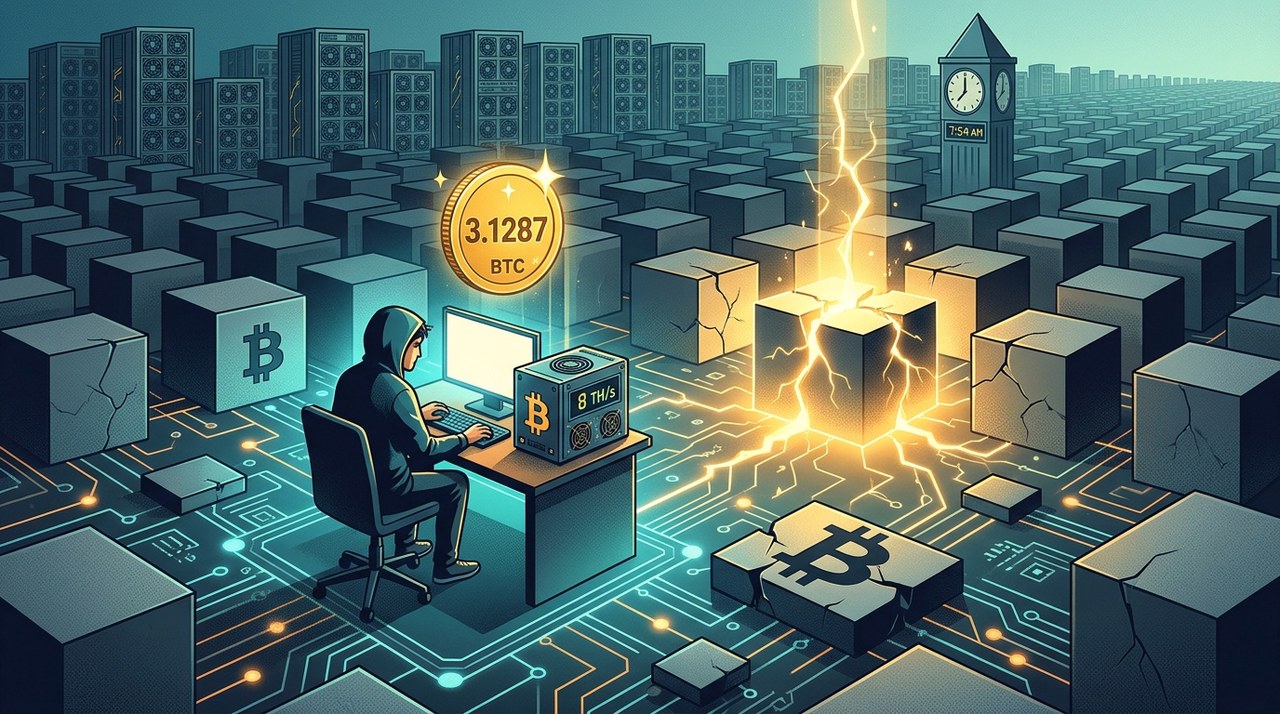

Solo Miner Wins $190K Bitcoin Jackpot Against Long Odds
A solo crypto miner using just 8 TH/s of computing power successfully found a Bitcoin block, netting nearly $190,000 despite 130 million-to-one odds.
|

 +2
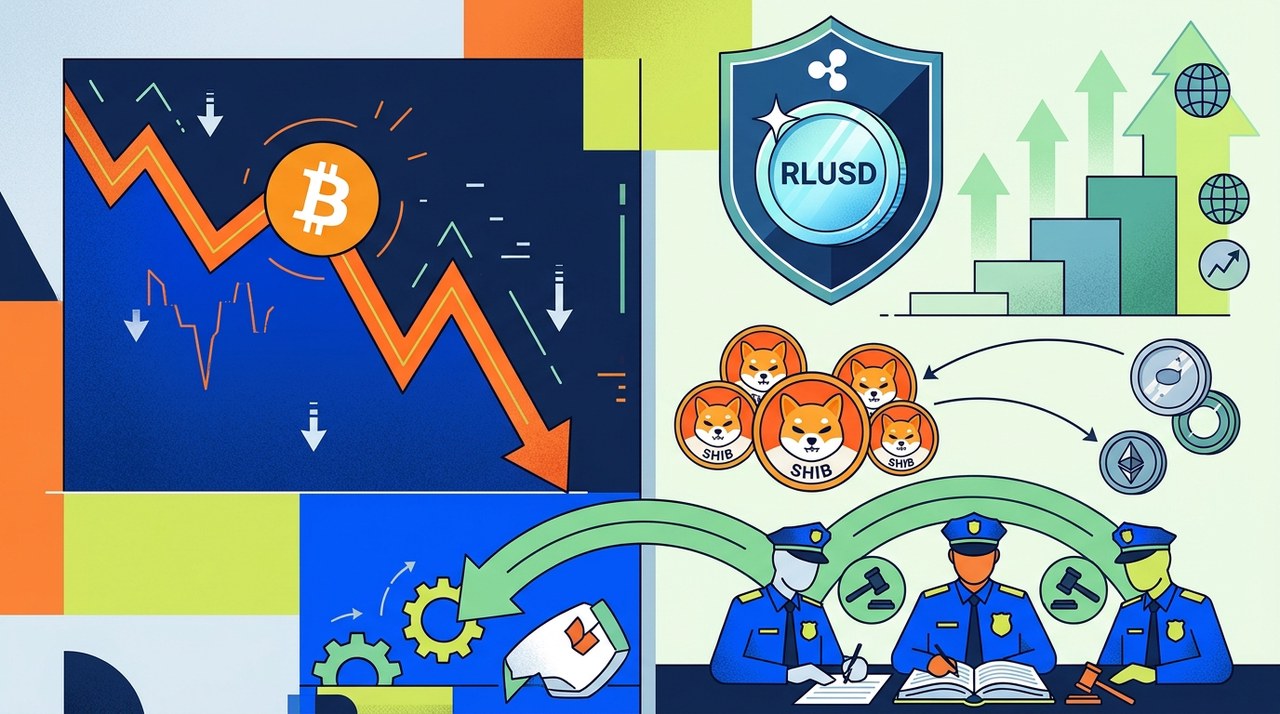
Weekly Crypto Digest: BTC, RLUSD, and Market Trends
A recap of key crypto developments from mid-November 2026, including Bitcoin's sharp correction, Ripple's RLUSD milestone, and cross-border fraud enforcement.
|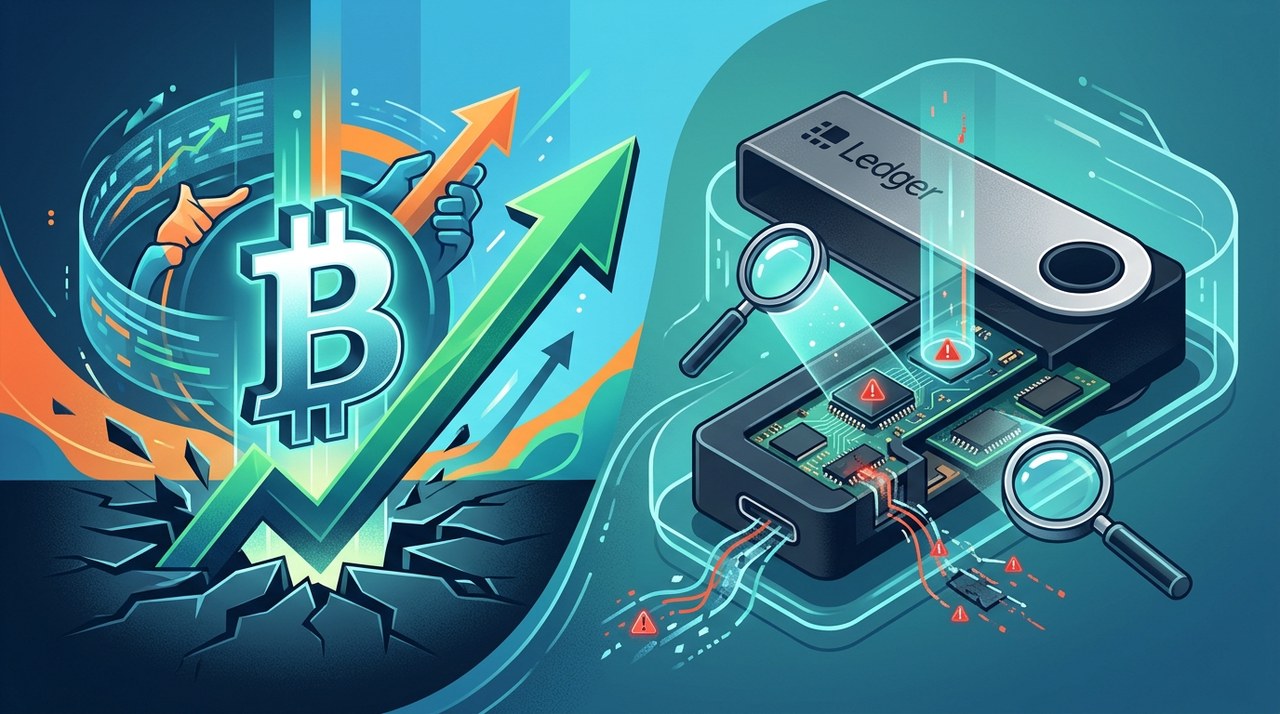
Bitcoin Rebounds From $55,110 Low as Ledger Probes Tampered Units
Bitcoin rebounded after hitting a $55,110 cycle low, while Ledger investigates reports of tampered devices in Berlin and the UAE.
|