


Solana x402 Batch Payments Cut USDC Fees for AI Agents
AI Agents Meet SolanaSOL-3.40%'s New Payment Solution
Imagine running a business where you have to pay a tiny bill every single second. That is the exact reality facing modern artificial intelligence (AI) agents today.
To solve this problem, Solana rolled out batch payments for its x402 payment standard on October 7, 2026. The launch was built alongside Pay AI Network and Blockrun AI.
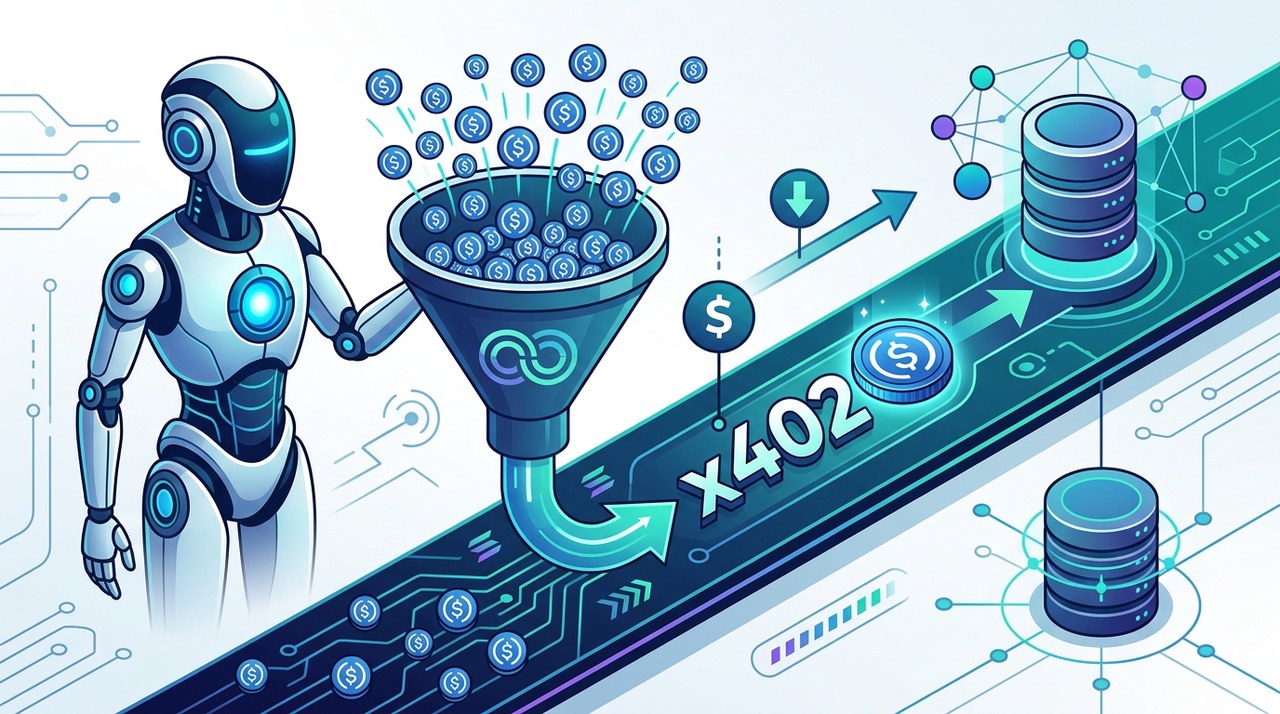
This new feature lets AI agents complete hundreds of tiny USDCUSDC+0.30% payments offchain. Then, it settles the final balance in a single transaction on the blockchain.
During the announcement, major crypto assets showed broader market moves. Bitcoin (BTCBTC-2.99%) traded near $83,063 (-3.65%), while EthereumETH-5.14% hovered around $2,565 (-5.38%). Please note that past performance of digital assets is not an indicator of future results.
Why Do AI Agents Need Machine-Native Payments?
To understand why this launch matters, we have to look at how machines transact compared to humans.
A human might make three or four payments a day. You buy a coffee, pay for lunch, and tap your card for groceries.
Autonomous AI agents work differently. An agent might buy computer memory, request data, or call specialized software tools hundreds of times in a single minute.
If an agent sends a separate blockchain transaction for every single request, two big issues pop up:
- High Total Costs: Even small network fees add up fast when you pay them thousands of times.
- System Lag: Waiting for a blockchain to confirm every micro-payment creates slow response times.
How x402 Batching Works: The Bar Tab Analogy
The x402 payment standard works very much like opening a tab at a restaurant.
Instead of paying cash every time you order a drink, you open a tab with your card. You order several drinks over the evening, and the bartender notes them down.
When you are ready to leave, you pay the total balance with one single swipe. That is exactly how x402 handles USDC payments on Solana.
Here is the step-by-step breakdown of how the process works:
- Opening the Channel: The AI agent opens a dedicated payment channel pre-funded with USDC on Solana.
- Offchain Authorizations: As the agent uses software or requests data, it authorizes small payments offchain instantly.
- Final Settlement: Once the work finishes, the channel closes and settles the combined sum onchain in one transaction.
Real-World Impact: Blockrun AI Saves $20,000 Monthly
This technology is already active in production rather than sitting on an experimental testnet.
Blockrun AI operates a routing service that links autonomous agents to over 113 different AI models through one endpoint. Users pay strictly on a per-call basis.
By batching multiple model calls into a single USDC settlement, Blockrun AI reports major operational gains:
- Fee Reduction: The company projects savings of over $20,000 per month in network fees.
- Faster Processing: Transaction latency drops by roughly 10x, making AI applications much faster.
Software engineer Luana called this architecture a clear sign of what machine-native payments look like in practice.
Many actions. One settlement.
Solana Prepares to Cut Block Times to 200ms
This batch payment milestone arrives alongside major infrastructure updates from Solana engineering firm Anza.
Solana is reducing its target block creation time (slot time) down to 200 milliseconds. This upgrade is scheduled to go live on October 9, 2026, around 15:00 UTC.
This move represents the final step in a step-by-step speed improvement sequence:
- Initial Slot Time: 400 milliseconds
- Step 1: Reduced to 350 milliseconds
- Step 2: Reduced to 300 milliseconds
- Step 3: Reduced to 250 milliseconds
- Final Target: 200 milliseconds
Combining 200ms slot times with batched settlements gives Solana an edge for high-frequency, automated applications.
Industry Outlook: Looking for Recurring Demand
While early tests are positive, industry analysts emphasize that sustained user adoption is what matters most.
Blockchain analyst Bella Blockstar noted that x402 batch payments are more than a demo, but stressed that recurring usage will be the key test.
If autonomous software continues to buy data and compute independently, crypto networks will need to settle machine-speed payments cheaply behind the scenes.
Solana is betting that processing thousands of micro-payments does not require sending thousands of individual blockchain transactions.
Broader Ecosystem Context: Tokenized Assets
This focus on AI payments comes as tokenized real-world assets gain traction across mainstream finance.
Tokenized stocks now represent a $3.6 billion market spread across 4,555 assets globally, with networks like Solana and Avalanche capturing significant market activity.
However, investors should remember that digital assets carry operational and market risks. You can review current market conditions on Bitkub Market.
Final Thoughts on Machine Payments
The x402 standard provides a practical look at how blockchain rails adapt to automated software agents.
By cutting network fees and lowering latency, Solana and its partners are building foundational tools for automated digital commerce.
Latest blog posts
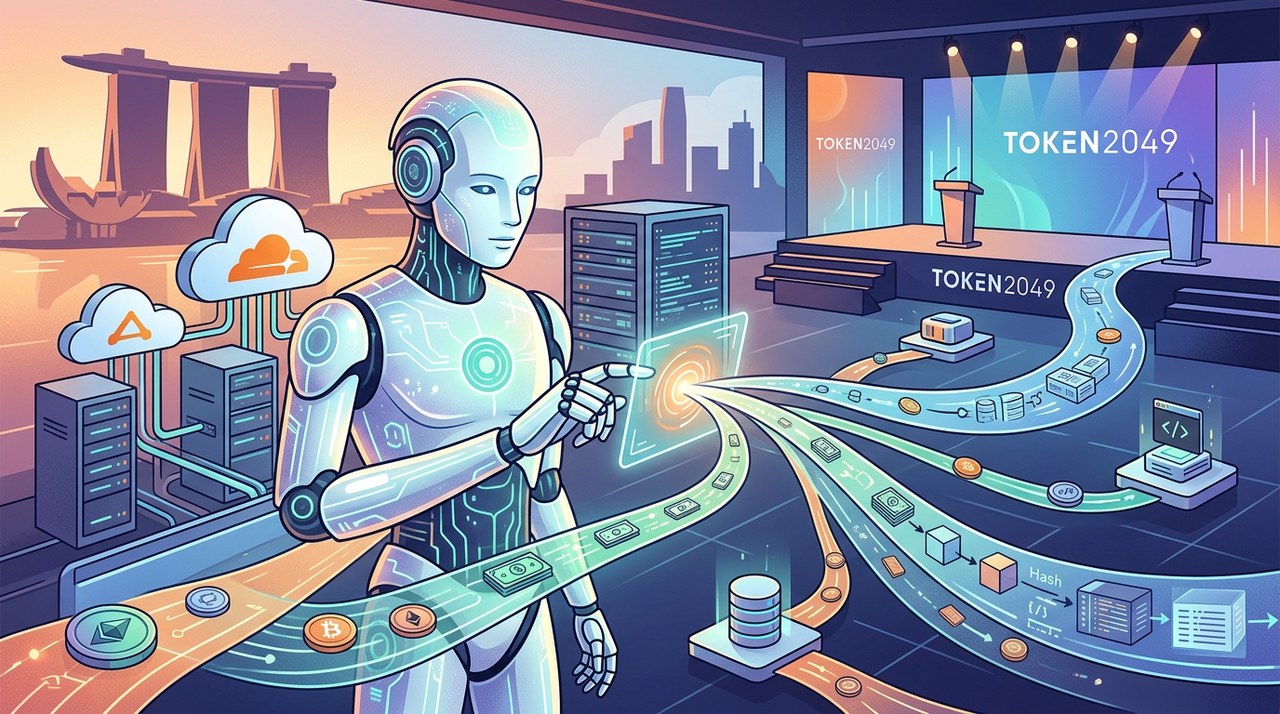

BeInCrypto Launches AI Agent Payments Report at TOKEN2049
BeInCrypto Research released 'The State of AI Agent Payments 2026' report at TOKEN2049 Singapore, analyzing real on-chain data behind autonomous AI spending.
|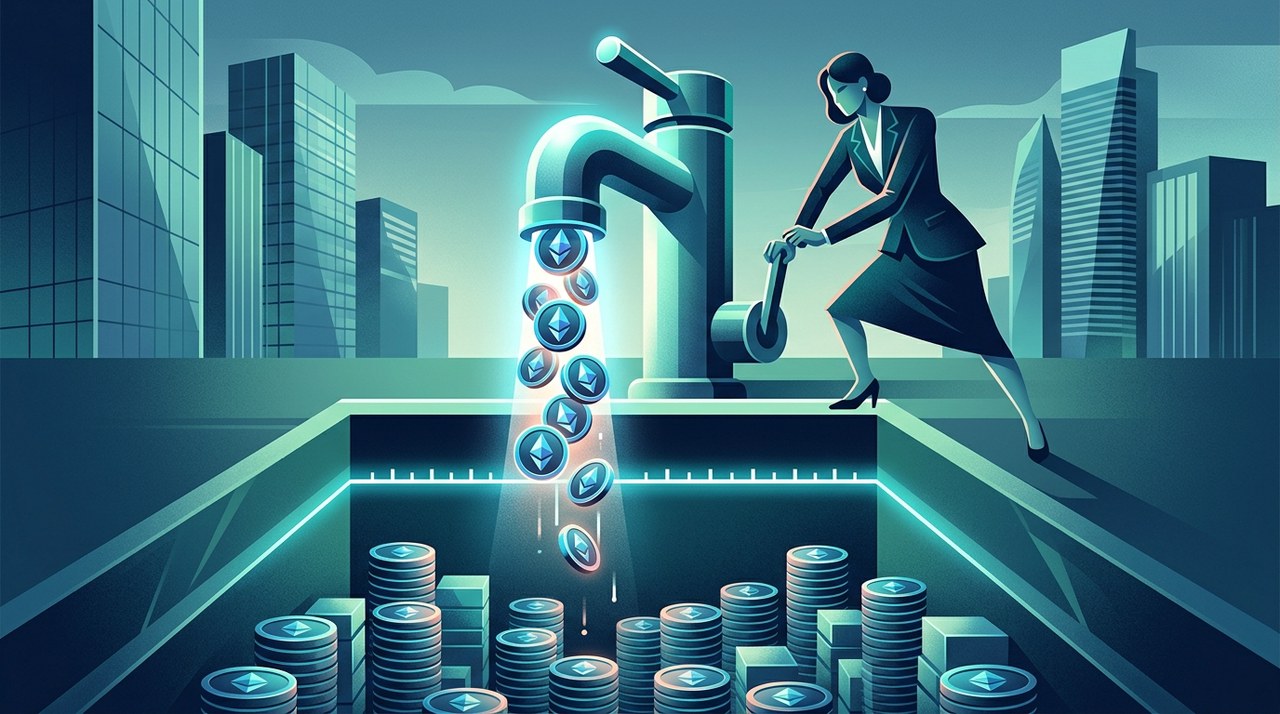

Bitmine to End Massive Ethereum Buying Spree Very Soon
Bitmine Chairman Tom Lee announced the corporate giant will halt its Ethereum purchases once it hits its 5% circulating supply cap.
|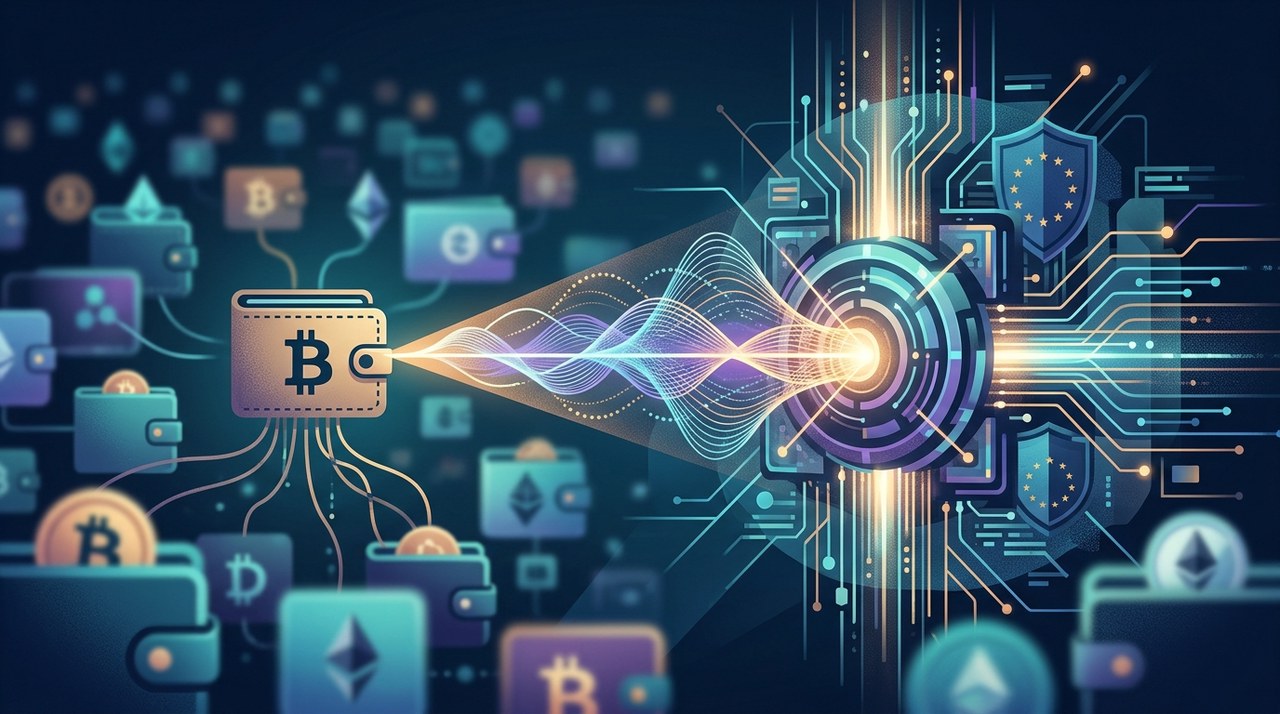
Europol Warns Quantum Threat Targets Specific Bitcoin Wallets
A Europol report highlights that future quantum computers could target exposed Bitcoin addresses. The agency emphasizes that the network itself remains secure while individual wallet management is key.
|