


CYBER Transfers Paused in Korea Following Bridge Exploit
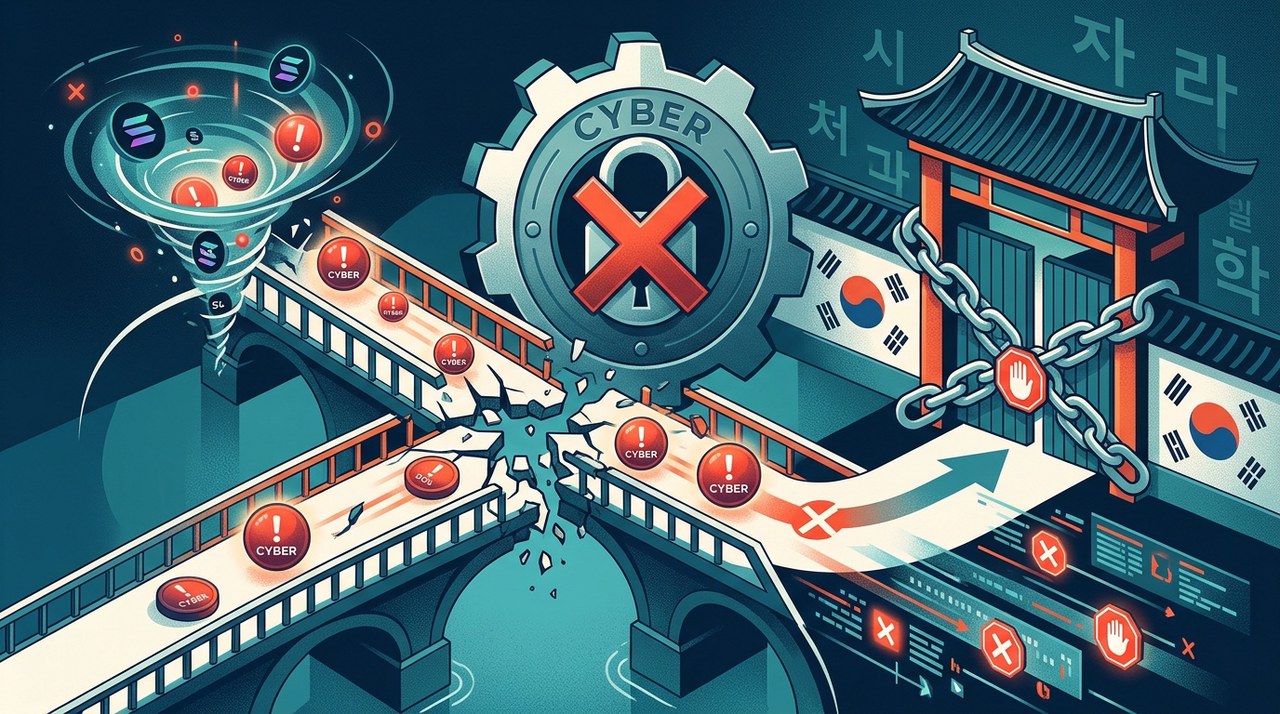
South Korean Exchanges Pause CYBERCYBER+1.26% Token Transfers
Major cryptocurrency exchanges in South Korea have officially suspended deposits and withdrawals for the CYBER token. This precautionary measure was taken to protect traders from potential market distortion.
The quick exchange action followed reports of security anomalies involving the Cyber protocol across multiple blockchain networks.
The Timeline: What Triggered the Security Alarm?
The issue began when the Cyber team identified unexpected minting of CYBER tokens on the SolanaSOL+3.01% blockchain. Minting refers to the creation of brand-new tokens on a network.
Shortly after these unauthorized tokens appeared on Solana, developers noticed another concerning activity. Tokens began moving out of the protocol's EthereumETH+2.71% bridge lockbox without standard authorization.
Because these movements suggested a serious exploit in the protocol's cross-chain bridge mechanism, an immediate investigation was launched to determine the root cause.
How Cross-Chain Bridges and Lockboxes Work
To understand why this incident matters, it helps to look at how cross-chain bridges operate. Think of a cross-chain bridge like a secure storage locker between two different airports.
When you want to move tokens from Ethereum to Solana, the original tokens are locked inside a smart contract called a lockbox on Ethereum. Equivalent tokens are then minted on Solana.
If new tokens are minted out of nowhere, or if locked tokens leave the lockbox without proper burning on the other chain, the 1:1 balance breaks down completely.
Why South Korean Exchanges Reacted So Fast
South Korean crypto exchanges are known for strict risk management protocols. When a token bridge experiences an exploit, unbacked tokens can flood the market.
By pausing deposits and withdrawals immediately, exchanges prevent potential attackers from selling exploit proceeds on their order books.
This pause acts as a safety circuit breaker while developers work to secure the system.
Understanding Smart Contract and Bridge Risks
Cross-chain bridges are among the most complex software applications in the crypto ecosystem. They must seamlessly connect independent blockchain networks like Ethereum and Solana.
Because these smart contracts hold large amounts of locked funds, they are frequent targets for exploits if any logic flaw exists in their code.
What Should Token Holders Do Next?
The Cyber core team is currently conducting a formal investigation to secure the bridge contracts and trace the unauthorized movement of assets.
Investors should follow updates directly from official project channels and verified exchange announcements before attempting further transactions.
Remember that cryptocurrency markets involve inherent volatility and technical risks. Past performance of digital assets is not a guarantee of future returns.
To track live price changes and market details, you can visit Bitkub Market.
Latest blog posts


Bitcoin Volume Surges to Highest Level Since February
Bitcoin daily trading volume hit multi-month highs following a drop to $55,100, triggering $562 million in liquidations as prices bounced back.
|
 +1
Anthropic IPO, Saylor Strategy, and Quantum Bitcoin Security
A friendly weekly recap covering MicroStrategy plans, Anthropic IPO impacts on Bitcoin ETFs, Hong Kong regulatory alerts, and quantum security research.
|
Fed Rate Hikes Could Extend Beyond December as Inflation Stays High
Federal Reserve Governor Lisa Cook signals that interest rates might stay higher for longer, impacting both traditional stocks and cryptocurrency markets.
|