Singapore Settles $77.5M Tokenized Bill via Wholesale CBDC
A Major Step for Central Bank Digital Currency
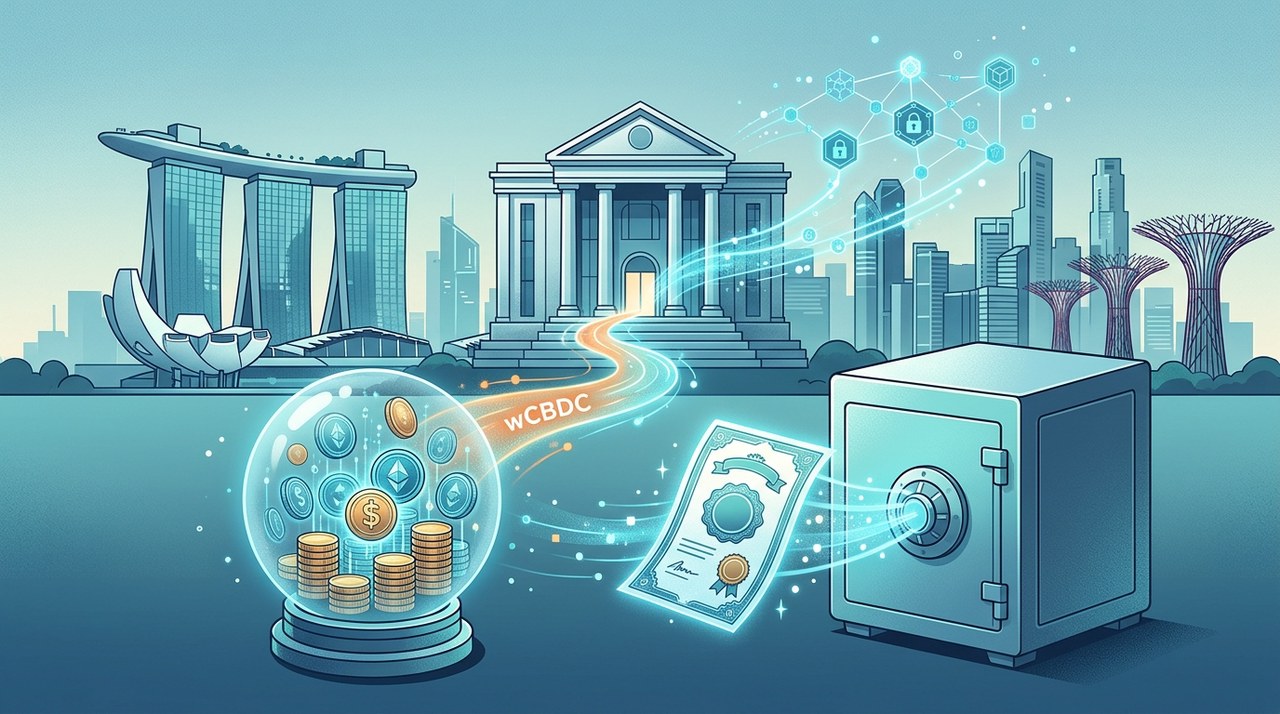
The Monetary Authority of Singapore (MAS) recently completed a significant milestone in financial technology. The central bank settled a $77.5 million tokenized bill issuance directly using a wholesale central bank digital currency (wCBDC).
This event highlights how central banks can modernize traditional debt markets using blockchain technology. It demonstrates real-world application beyond simple pilot testing.
What Is Wholesale CBDC and Tokenization?
To understand why this settlement matters, let us break down the core concepts in simple terms.
A Central Bank Digital Currency (CBDC) is government money issued in digital form. Unlike retail CBDCs designed for everyday consumer shopping, a wholesale CBDC is built exclusively for financial institutions like banks.
Understanding Tokenized Bills
Think of tokenization like creating a secure digital twin of a physical certificate on a blockchain ledger. In this trial, traditional treasury bills were transformed into digital tokens.
When financial assets are tokenized, they can be traded and settled almost instantly. This process cuts settlement timelines from days down to seconds.
Inside the $77.5 Million Settlement
During the transaction, MAS issued the tokenized bills directly on its dedicated test network.
The monetary authority used wholesale CBDC to settle the issuance seamlessly. This proves that sovereign digital money can power institutional asset markets safely.
Introducing the SG Digital Ledger
Following the trial, MAS announced plans to rename its test environment to the SG Digital Ledger.
The central bank intends to use this platform for ongoing settlements beyond basic experimental phases.
Moving from experimental sandboxes to live network operations marks a major shift in Singapore's digital asset strategy.
Key Benefits of Institutional Tokenization
Traditional bond and bill markets often deal with manual clearing steps and administrative delays.
Tokenized financial assets backed by central bank money offer several practical improvements:
- Atomic Settlement: Payment and asset delivery happen at the exact same moment.
- Lower Operational Costs: Smart contracts automate reconciliation tasks.
- Enhanced Efficiency: Financial institutions can clear high-value transactions around the clock.
Addressing Risks and Technological Considerations
While wholesale ledger systems offer clear efficiency gains, new technology brings new responsibilities.
Central bank networks must maintain high standards of cybersecurity, operational resiliency, and compliance. Financial infrastructure updates always require thorough testing to protect systemic stability.
What Lies Ahead for Singapore's Financial Roadmap
Singapore remains at the forefront of central bank digital innovation. The successful $77.5 million bill settlement sets a clear precedent for institutional adoption.
As the SG Digital Ledger evolves, commercial banks and financial markets will gain deeper insights into the future of digital currency infrastructure.
Latest blog posts


BTCPay Server Emergency Update Fixes 5 Major Security Flaws
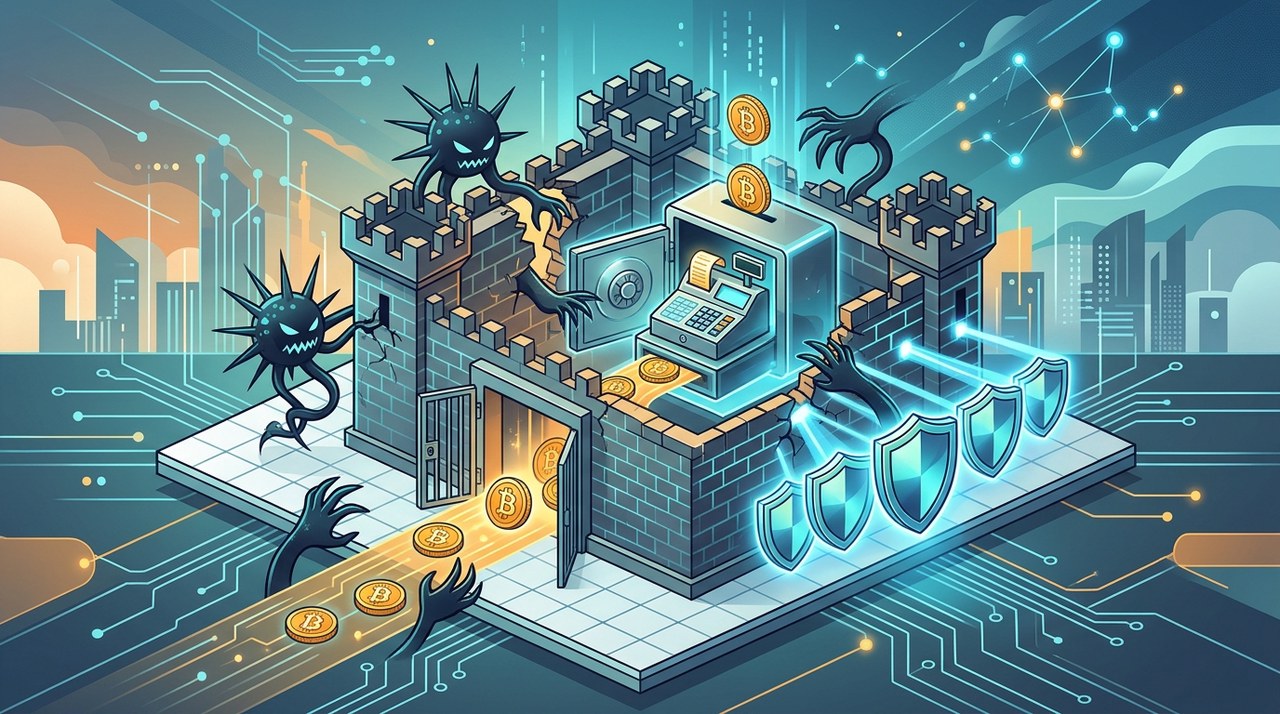
BTCPay Server issued an urgent software update after cybersecurity authorities alerted users to five flaws that could let hackers control servers remotely.
|
Singapore MAS Issues $77M Tokenized T-Bills via CBDC
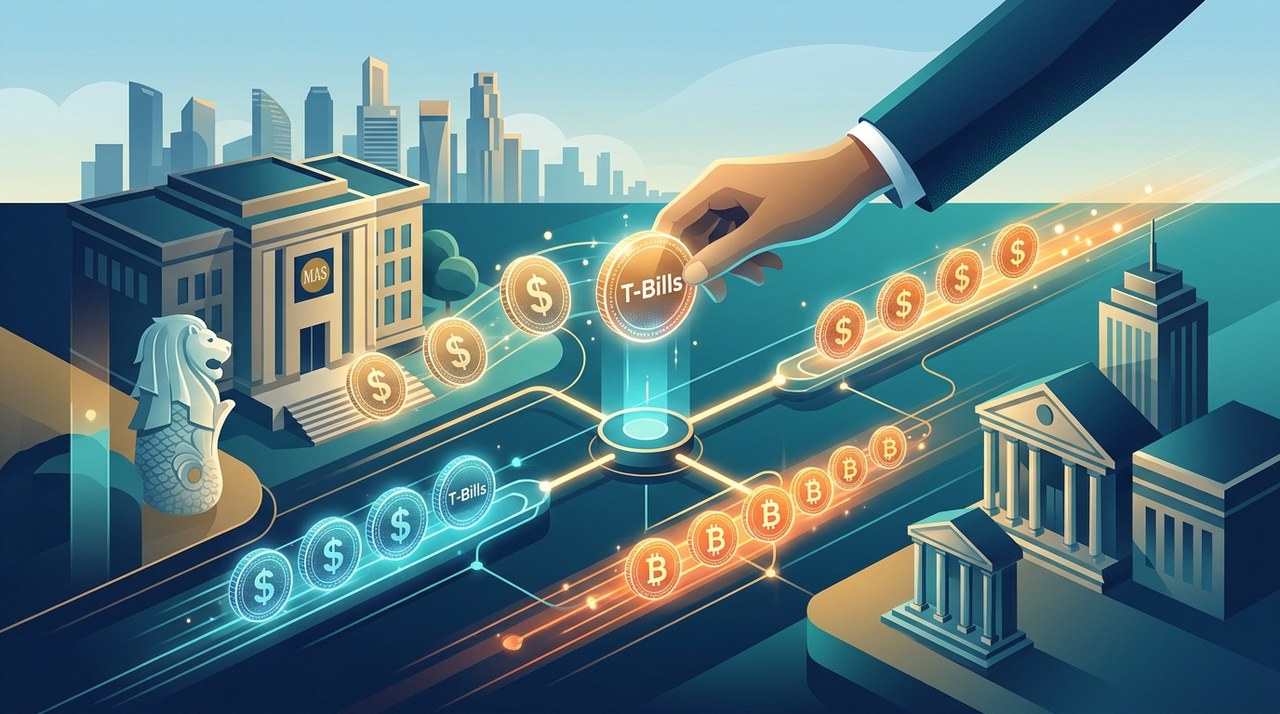
The Monetary Authority of Singapore issued $77 million in tokenized bills settled via wholesale CBDC on its test network.

US Spot Bitcoin ETFs Hit Three-Month Low in Total Assets
US spot Bitcoin ETFs logged $306.4 million in net outflows on Wednesday, bringing total assets down to $77.7 billion as Bitcoin briefly fell below $63,000.
|