Singapore MAS Issues $77M Tokenized T-Bills via CBDC

Singapore Takes a Major Step in Digital Finance
The Monetary Authority of Singapore (MAS) has reached a new milestone in central bank digital asset testing.
Singapore's central bank recently issued $77 million worth of tokenized treasury bills.
These digital bills were issued natively on the Singapore Dollar Test Network.
Crucially, the settlement took place using a wholesale Central Bank Digital Currency (wCBDC).
Understanding Tokenized Bills and Wholesale CBDC
Financial terminology can sometimes sound complicated. Let us break down what these key concepts mean for financial markets.
What is a Tokenized T-Bill?
Treasury bills (T-bills) are short-term debt instruments issued by governments to raise funds.
Tokenization converts the rights to these traditional financial assets into digital tokens on a distributed ledger.
These digital tokens can be tracked and transferred electronically with increased operational efficiency.
What is a Wholesale CBDC?
Central Bank Digital Currencies generally come in two distinct categories: retail and wholesale.
Retail CBDCs are designed for the general public to make daily purchases.
In contrast, a wholesale CBDC is meant specifically for financial institutions and commercial banks.
Banks use wholesale CBDCs to settle large financial transactions directly with one another.
How the Singapore Dollar Test Network Operates
The MAS conducted this issuance on its dedicated test infrastructure.
The Singapore Dollar Test Network provides a safe environment for institutions to evaluate digital infrastructure.
By issuing the bills natively on this network, the central bank created the asset directly on the digital ledger.
This approach avoids wrapping or converting offline paper-based records into digital claims.
Why This Trial Matters for Global Banking
Traditional financial settlements often require several business days to clear completely.
Using digital ledger technology enables immediate exchange, often referred to as atomic settlement.
Here are the primary potential advantages highlighted by central bank trials:
- Faster Settlement: Payments and asset transfers clear simultaneously in real time.
- Operational Savings: Fewer intermediaries can lead to lower transaction management costs.
- Increased Transparency: Shared ledgers provide verified history of asset movements.
- Counterparty Risk Reduction: Rapid settlement minimizes risk exposure during waiting periods.
Risks and Technical Considerations
While digital tokenization offers clear benefits, central banks proceed carefully through structured testing.
Conducting pilot programs allows institutions to spot technical bottlenecks before launching live systems.
Financial institutions must evaluate system resilience, data security, and network interoperability.
Market participants should keep in mind that testing innovative financial tech carries operational and regulatory risks.
The bills were issued natively on its Singapore Dollar Test Network and settled in wholesale CBDC.
Looking Ahead
Singapore continues to reinforce its role as a key hub for financial technology innovation.
This $77 million trial offers useful insights into how wholesale digital settlement systems could function.
As more central banks test similar setups, industry leaders will closely study the results from these trials.
Latest blog posts



BTCPay Server Emergency Update Fixes 5 Major Security Flaws
BTCPay Server issued an urgent software update after cybersecurity authorities alerted users to five flaws that could let hackers control servers remotely.
|
US Spot Bitcoin ETFs Hit Three-Month Low in Total Assets
US spot Bitcoin ETFs logged $306.4 million in net outflows on Wednesday, bringing total assets down to $77.7 billion as Bitcoin briefly fell below $63,000.
|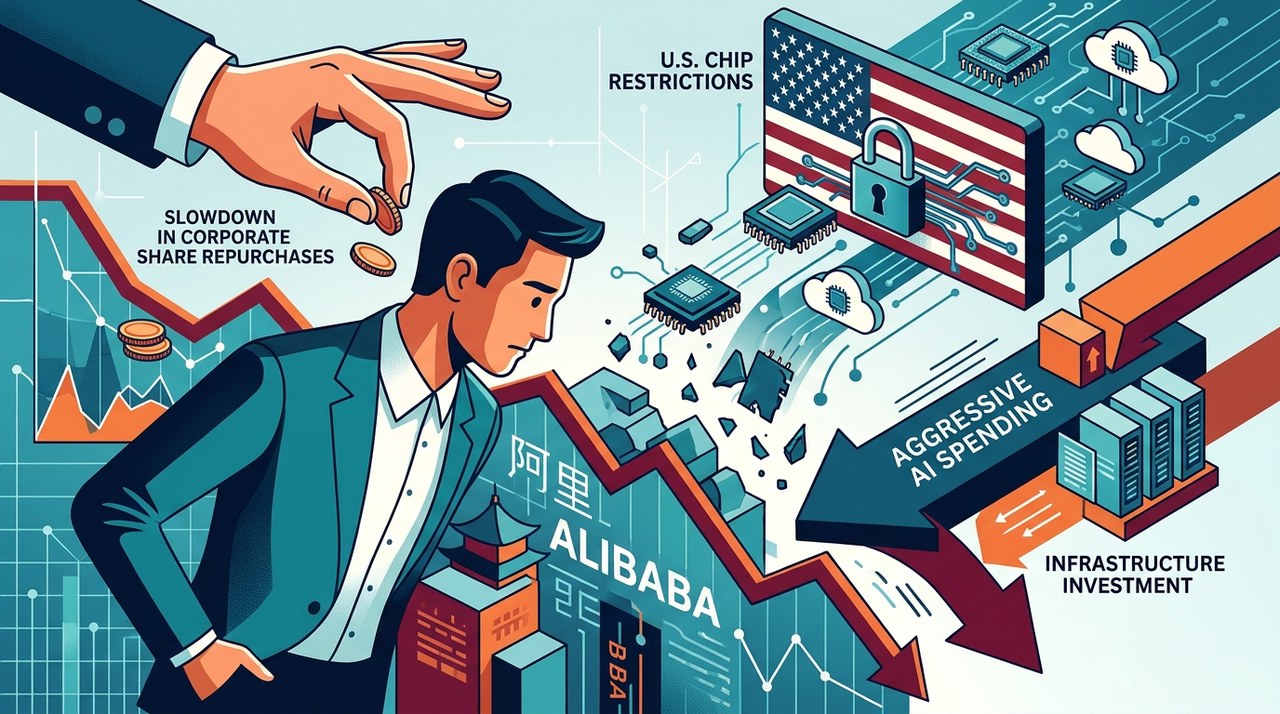
Why Alibaba Stock Is Dropping Ahead of Earnings
Alibaba stock fell 16.9% over five sessions due to new U.S. chip rules, heavy AI spending, and scaling back on share buybacks ahead of earnings.