

BTCPay Server Emergency Update Fixes 5 Major Security Flaws
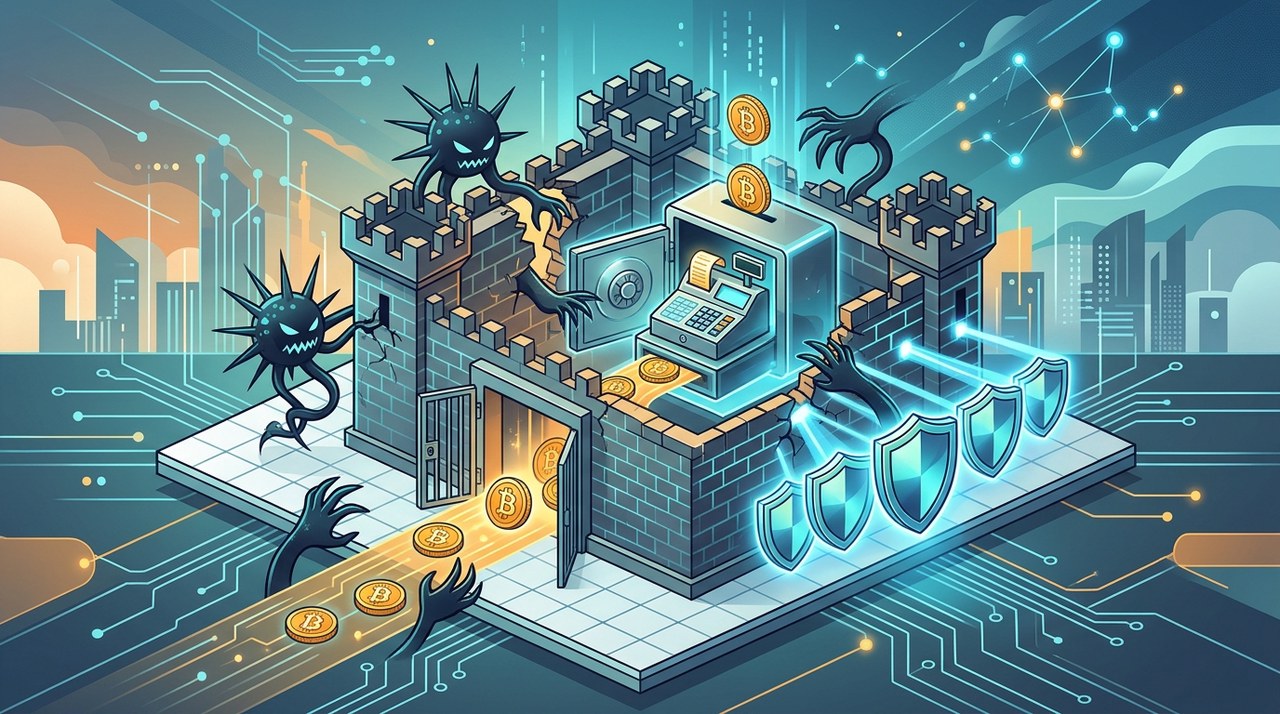
What Happened to BTCPay Server?
If you run your own online store using BitcoinBTC-1.85%, you might be familiar with BTCPay Server. It is one of the most popular open-source payment processors in the crypto world. Merchants love it because it allows them to receive Bitcoin directly without paying heavy credit card processing fees or relying on central intermediaries.
Recently, cybersecurity experts issued a critical warning for everyone running this software. The European Union Agency for Cybersecurity highlighted five severe security vulnerabilities hidden inside vulnerable versions of BTCPay Server.
The core team behind BTCPay Server responded quickly by releasing an emergency patch to fix all five security vulnerabilities. Server administrators and store owners are urged to update their software immediately to protect their systems from potential attacks.
Understanding the Vulnerabilities: Remote Code Execution
Security flaws come in many shapes and sizes, but the ones found in this advisory are considered particularly serious. The biggest threat reported by cybersecurity analysts involves remote code execution, often abbreviated as RCE.
Think of a typical online account. Usually, a malicious actor would need your password or admin key to get inside. With an unauthenticated remote code execution flaw, an attacker does not even need to log in.
Imagine a front door lock that opens up whenever someone whispers a secret code from across the street. That is what an unauthenticated RCE flaw acts like on a web server. It could allow an intruder to run unauthorized commands, access internal databases, or steal sensitive server settings remotely.
The EU cybersecurity service reported that these security vulnerabilities could enable remote attackers to execute malicious code on unpatched BTCPay Server instances without needing login credentials.
Why BTCPay Server Matters to the Bitcoin Community
To understand why this emergency update is such big news, it helps to look at how Bitcoin processing normally works for online business owners.
When customers buy products using traditional payment gateways, third-party companies hold the funds and charge transaction processing fees. BTCPay Server flips this model around. It allows merchants to become their own payment processor.
By using self-hosted software, merchants keep full control of their private keys and incoming funds. The customer pays directly to the merchant's Bitcoin address or Lightning Network node. This financial independence is a core value of the Bitcoin community.
However, self-hosting comes with real responsibility. When you eliminate the middleman, you also take on the role of system administrator. That means keeping your software updated when security teams discover new flaws.
How Security Updates Keep Open-Source Software Safe
Discovering software vulnerabilities is a normal part of the modern technology lifecycle. Open-source software benefits from thousands of independent security researchers reviewing the code around the clock.
When white-hat security researchers spot a potential bug, they report it directly to the core software developers. Developers then write a patch, test it thoroughly, and push an update out to the public before malicious actors can exploit the bug at scale.
The rapid release of this patch shows that open-source security models work as intended. The key is for node operators to download and install patches as soon as they become available.
Action Plan: What Node Operators Should Do Right Now
If you maintain an active BTCPay Server deployment, taking action quickly is the best way to safeguard your merchant infrastructure. Here is a practical step-by-step checklist to keep your system safe:
- Backup your system configuration: Before running updates, create a secure backup of your node settings, database, and wallet seed phrases.
- Upgrade to the latest release: Navigate to your server deployment manager or run the official update script to fetch the patched version of BTCPay Server.
- Check server logs: Audit recent activity logs for unusual admin commands or unexpected network requests.
- Review access permissions: Ensure that server SSH access, firewall settings, and administrative accounts use strong passwords and two-factor authentication.
- Enable automatic security notifications: Stay informed about future security notices by subscribing to official developer communication channels.
Balancing Sovereignty and Security in Crypto
Running non-custodial software gives individuals full ownership of their financial transactions. However, digital asset self-custody and server self-management require constant vigilance.
Cryptocurrency markets and tech infrastructures move fast. Whether you are operating a payment node or managing digital assets in your personal wallet, staying proactive about software updates is essential for protecting your assets against evolving cyberCYBER+7.26% threats.
Always remember that market conditions for digital assets like Bitcoin remain naturally volatile. Past performance of digital assets is not an indicator of future results. You can track real-time historical market data at bitkub.com/th/market/BTC.
Final Words
Security alerts might sound scary at first, but emergency patches are actually proof of a vigilant developer ecosystem. By updating your server today, you keep your store online, your customer transactions secure, and your self-hosted infrastructure protected.
Latest blog posts

Singapore MAS Issues $77M Tokenized T-Bills via CBDC
The Monetary Authority of Singapore issued $77 million in tokenized bills settled via wholesale CBDC on its test network.

US Spot Bitcoin ETFs Hit Three-Month Low in Total Assets
US spot Bitcoin ETFs logged $306.4 million in net outflows on Wednesday, bringing total assets down to $77.7 billion as Bitcoin briefly fell below $63,000.
|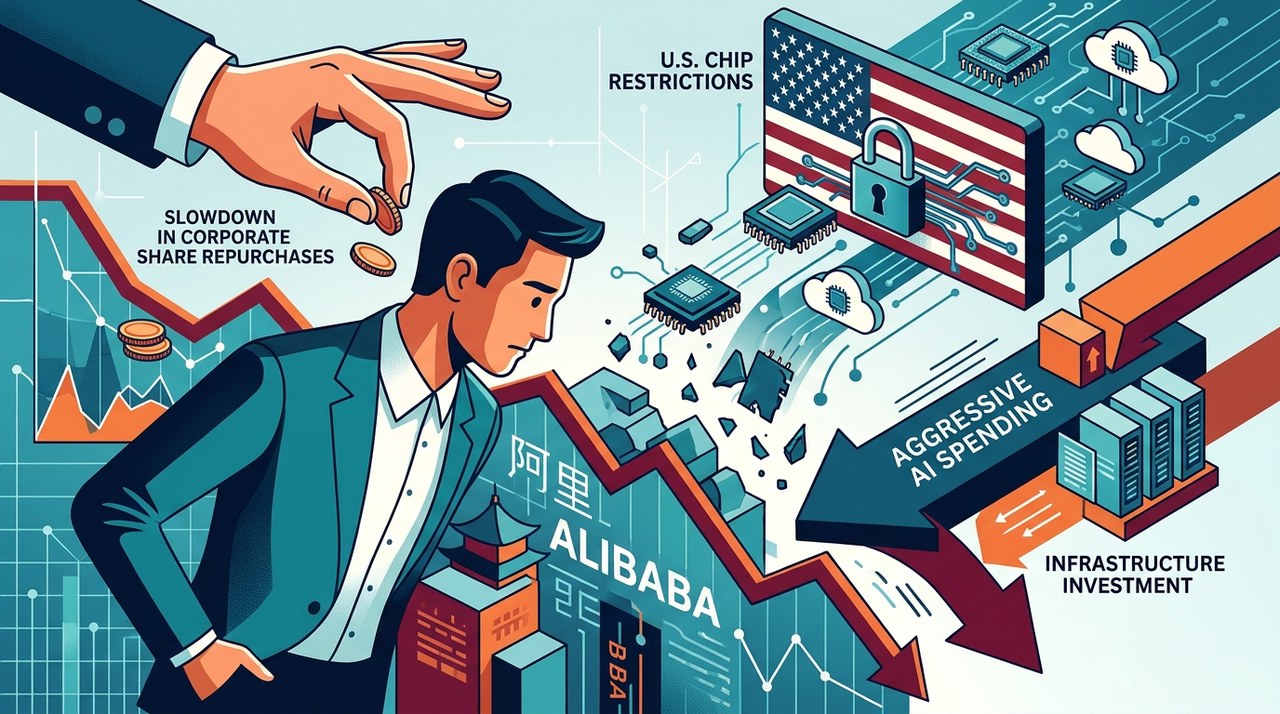
Why Alibaba Stock Is Dropping Ahead of Earnings
Alibaba stock fell 16.9% over five sessions due to new U.S. chip rules, heavy AI spending, and scaling back on share buybacks ahead of earnings.