Why Alibaba Stock Is Dropping Ahead of Earnings
What Is Happening to Alibaba Stock?
Alibaba stock recently experienced a significant decline ahead of its upcoming earnings report. Over five trading sessions, the shares dropped by 16.9%, closing at $84.37 on Wednesday. This marks the stock's lowest closing price since January 2025.
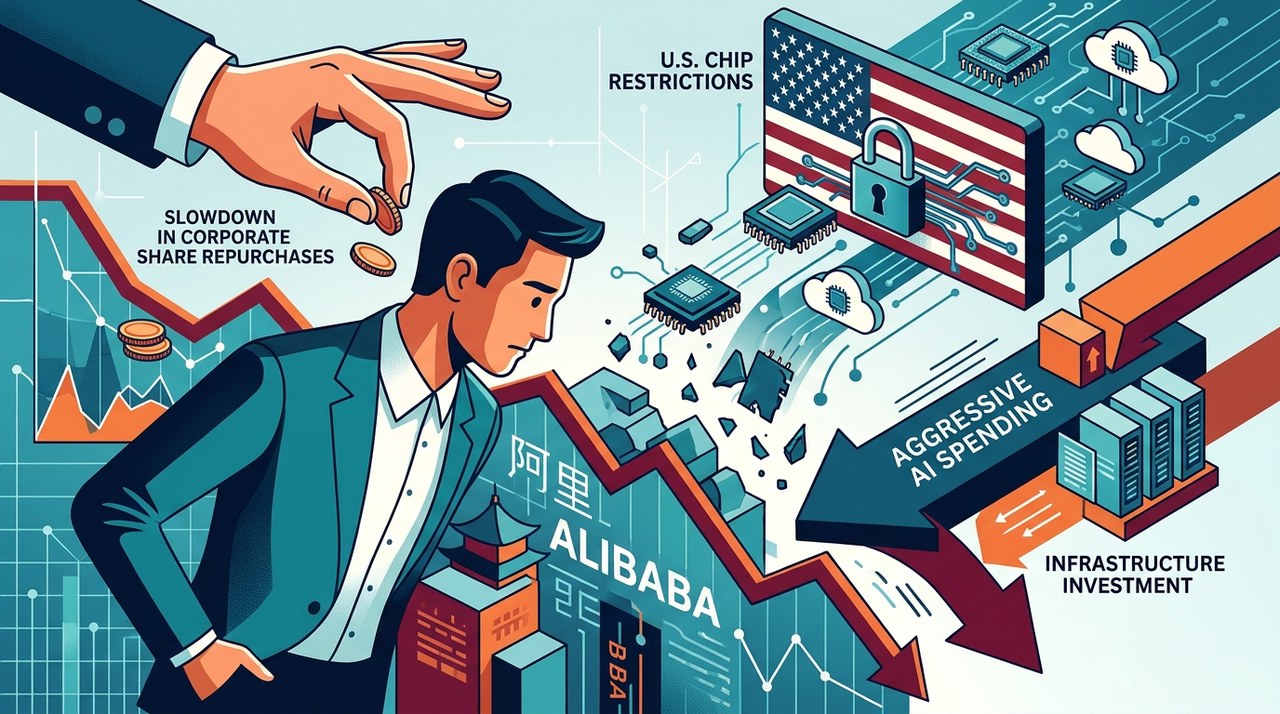
Taking a broader look at performance, the stock has declined 42% in 2026. Investors are weighing a mix of headwinds, including tighter U.S. technology rules, aggressive artificial intelligence spending, and a slowdown in corporate share repurchases.
Despite these challenges, Alibaba's cloud computing business continues to grow at a robust rate of 45% annually. However, financing that level of infrastructure growth requires substantial cash expenditure.
Past performance of digital assets or stocks is not indicative of future performance.
1. U.S. Chip Restrictions and Cloud Operations
A major catalyst behind the recent market reaction is a new regulatory policy from the United States government.
The New BIS Export Control Rule
On November 16, the Bureau of Industry and Security (BIS)—the export-control division of the U.S. Department of Commerce—released an interim final rule. This policy requires suppliers to secure export licenses before shipping advanced chips to data centers that serve China-headquartered companies on a large scale.
Market reaction was swift. When initial reports about the rule circulated around November 12, Alibaba's U.S.-listed shares fell 7% in a single day.
Which Units Are Exempt and Which Face Pressure?
The new rule includes specific carve-outs. Commercial recommender systems, such as the algorithms that power product suggestions on online shopping platforms, are exempt from the licensing requirement.
Consequently, Alibaba's main e-commerce operations face minimal direct disruption from this policy. Instead, the pressure centers on AI model training, which depends heavily on cutting-edge processors.
2. High AI Infrastructure Costs vs. Current Earnings
Building artificial intelligence capacity requires massive capital investments. Alibaba's latest financial statements show how these investments are affecting cash flows.
Financial Breakdown of the June Quarter
Key financial figures from the June quarter highlight the scale of Alibaba's current buildout:
- Capital expenditure (CapEx) surged 75% to RMB 67.7 billion ($10 billion).
- Free cash flow registered an outflow of RMB 44.7 billion, compared to an outflow of RMB 18.8 billion a year earlier.
- Net income decreased 75% to RMB 10.4 billion.
- Revenue from domestic China e-commerce—the core segment funding tech investments—declined by 8%.
Cloud Profits vs. AI Unit Losses
Financial performance varies across Alibaba's technology divisions. The cloud segment generated RMB 5.6 billion in adjusted operating profit for the quarter.
In contrast, the AI Labs and Applications division recorded an operating loss of RMB 13.9 billion over the same period. While cloud services generate positive operating income, early-stage AI development continues to consume substantial cash.
3. Reduction in Share Buyback Volume
Share repurchases historically provided price support for Alibaba stock, but company buyback activity has slowed down significantly in recent quarters.
Comparing Quarterly Buyback Trends
Company updates show that quarterly share repurchases reached a high of $5.8 billion in the June 2024 quarter. By the June 2026 quarter, total repurchases fell to $162 million.
Regulatory filings show the last concentrated cluster of buybacks occurred in late June and early July at roughly $97 per American depositary share (ADS). Today, the stock trades approximately 13% below that execution level.
Remaining Authorization Pool
Alibaba's share repurchase program remains active through March 2027. As of September 2025, the company maintained $19.1 billion in remaining authorized capital for future buybacks.
What Could Turn Alibaba Stock Around?
Alibaba reports earnings on Thursday before the U.S. market opens—the same day the BIS chip rule officially takes effect upon Federal Register publication.
Key Benchmark Figures
Investors will measure the upcoming report against three key figures established in the June quarter:
- Cloud revenue growth (benchmark: 45% per year)
- Free cash flow (benchmark: RMB 44.7 billion outflow)
- Share repurchases (benchmark: $162 million)
Potential Future Scenarios
Data centers serving Chinese customers have a 90-day grace period—until mid-February 2027—to secure necessary export licenses.
If Alibaba maintains cloud growth near 45% and outlines a viable strategy using domestic semiconductors, selling pressure could ease. Conversely, if cloud growth slows while cash outflows remain elevated, market concerns over capital requirements could persist.
Latest blog posts


LeBron James Sues AI Sports Betting App Over Fake Ad
NBA superstar LeBron James has filed a federal lawsuit against Play Vision for using an AI clone of his image and voice to market a sports betting research app.
|


Can AI Hack Smart Contracts? AI Agents in Web3 Security
Artificial intelligence is changing how smart contract bugs are found and fixed. Here is how AI agents work and what DeFi teams can do to stay safe.
|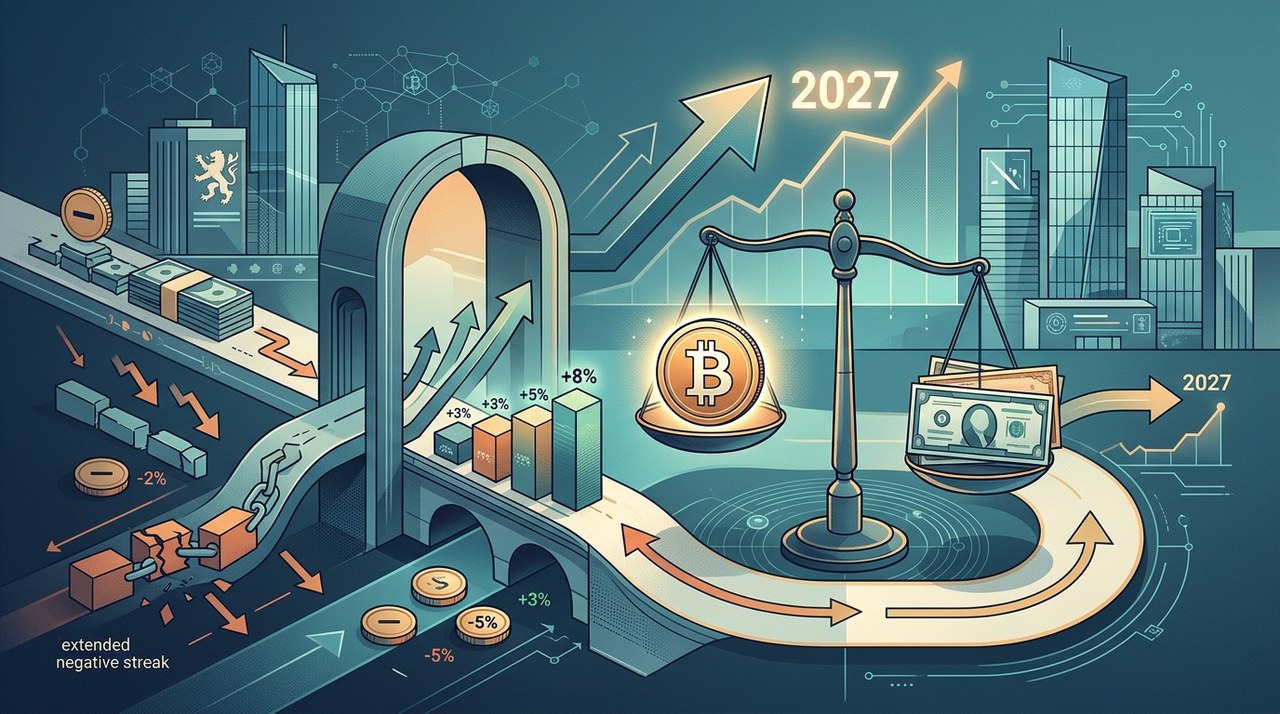

Sygnum Predicts Bitcoin Carry Trades Could Beat T-Bills by 2027
Digital asset bank Sygnum projects that Bitcoin carry trades could outperform traditional US Treasury bills by 2027 as funding rates recover.
|