Russia Plans to Ban Direct P2P Crypto Trading by July 2027
Big Regulatory Shift Coming to Russian Crypto
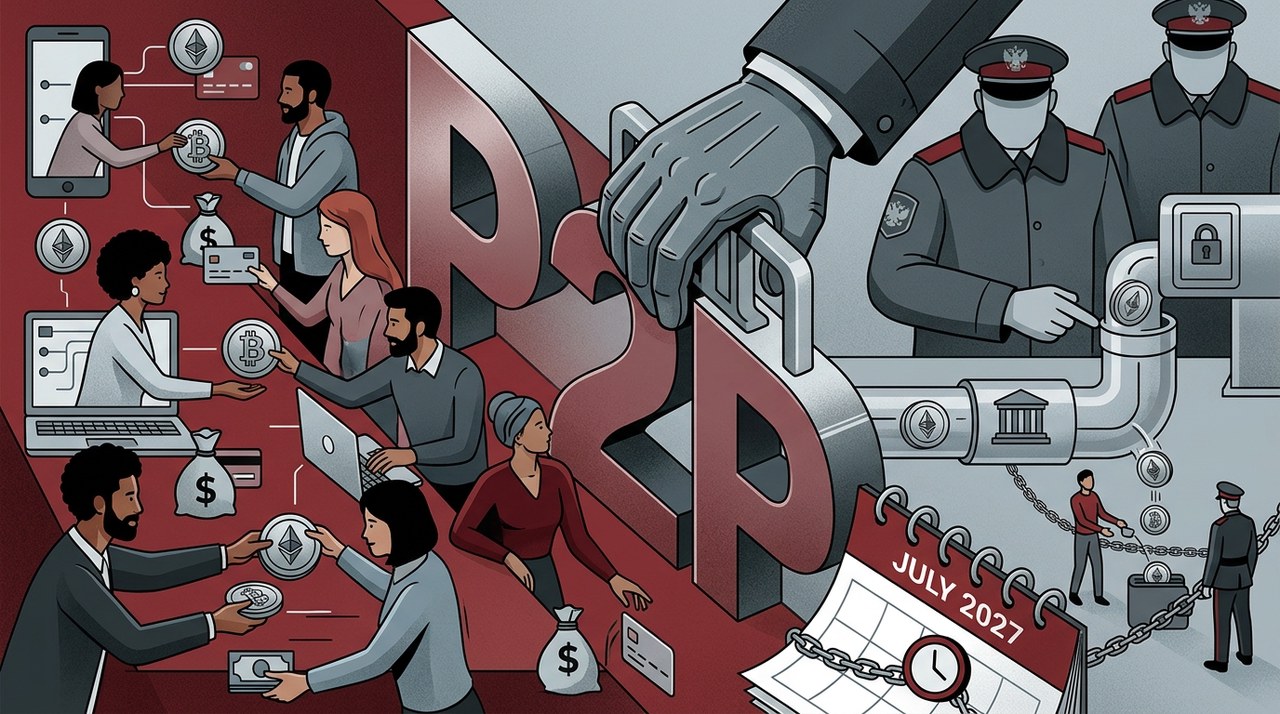
Russia is taking another significant step toward strict crypto oversight. According to recent regulatory plans, the country intends to ban direct peer-to-peer (P2P) crypto trades starting July 1, 2027.
On top of this future prohibition, separate rules already prevent users from transferring digital assets from managed accounts to self-custody wallets. Together, these measures show a clear trend toward bringing all digital coin transactions under state monitoring.
What Is Direct Peer-to-Peer (P2P) Crypto Trading?
To understand why this ban matters, let us break down how direct P2P trading works in everyday life.
Imagine selling a bicycle directly to your neighbor. You agree on a price, swap cash for the bike, and finish the deal without going through a store. Direct P2P crypto trading works the same way.
Buyers and sellers connect directly to swap fiat currency for digital coins. They often use private bank transfers or digital payment applications to settle payments.
Here are a few key traits of direct P2P transactions:
- Direct settlement: Funds move directly between individual bank accounts or payment services.
- Payment choices: Traders can choose from hundreds of payment options agreed upon mutually.
- Fewer intermediaries: Transactions do not rely on centralized exchange order books to match buy and sell orders.
Understanding the July 1, 2027 Deadline
Setting a deadline for mid-2027 gives lawmakers and industry participants time to prepare. The multi-year delay allows regulators to establish alternative digital channels while giving users time to adjust.
Russia has been experimenting with regulated frameworks for cross-border payments. By scheduling the P2P ban for July 2027, authorities plan to systematically phase out unmonitored domestic trading routes.
The Existing Ban on Transfers to Self-Custody Wallets
The planned 2027 P2P ban builds upon rules that are already in effect. Russia has already prohibited moving crypto from digital accounts into self-custody wallets.
A self-custody wallet (also known as a non-custodial wallet) is a wallet where only the owner holds the private keys. No bank or central exchange can control or pause your funds.
By stopping transfers from official digital accounts into self-custody wallets, authorities aim to prevent funds from moving outside regulated ecosystems.
Restricting transfers to self-custody wallets keeps digital asset movements tied directly to verified digital accounts.
Why Is Russia Tightening Crypto Rules?
Russian authorities have debated crypto regulation for years. The drive to restrict P2P trading and self-custody transfers rests on three main policy goals:
- Financial transparency: Unmonitored P2P trades make tax collection and fraud prevention difficult for state authorities.
- Capital monitoring: Restricting off-ramp channels helps prevent capital flight from domestic banking systems.
- Building controlled alternatives: Regulators prefer digital transactions to happen through approved local platforms or central bank digital currencies.
What This Means for Crypto Users
For everyday crypto users in Russia, these regulatory shifts represent a major change in how digital assets can be bought and stored. Removing direct P2P options means traders will likely have to rely on fully compliant, supervised venues.
Investors should keep in mind that regulatory updates can create short-term market shifts and changes in local liquidity. Crypto assets remain volatile and subject to fast changes.
Past performance of digital assets is not an indicator of future results. Market participants should always evaluate market risks carefully.
Looking Ahead
As July 1, 2027 approaches, Russian regulators will likely issue detailed guidelines regarding how the P2P ban will be enforced. In the meantime, the current restriction on self-custody transfers remains active, shaping the future of Russian crypto access.
Latest blog posts
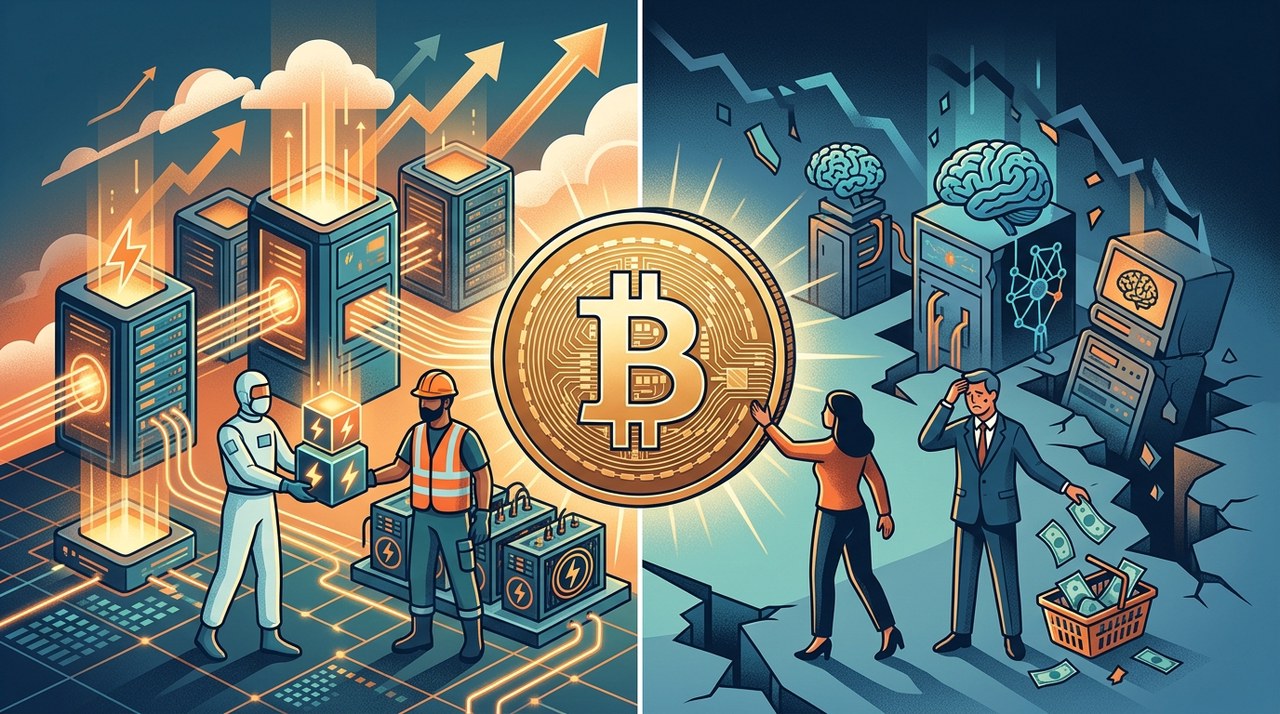

Why Bitcoin Could Win Whether AI Booms or Busts
Bitwise CIO Matt Hougan explains how Bitcoin is uniquely positioned to benefit regardless of whether the AI boom continues or turns into a bubble.
|

 +1
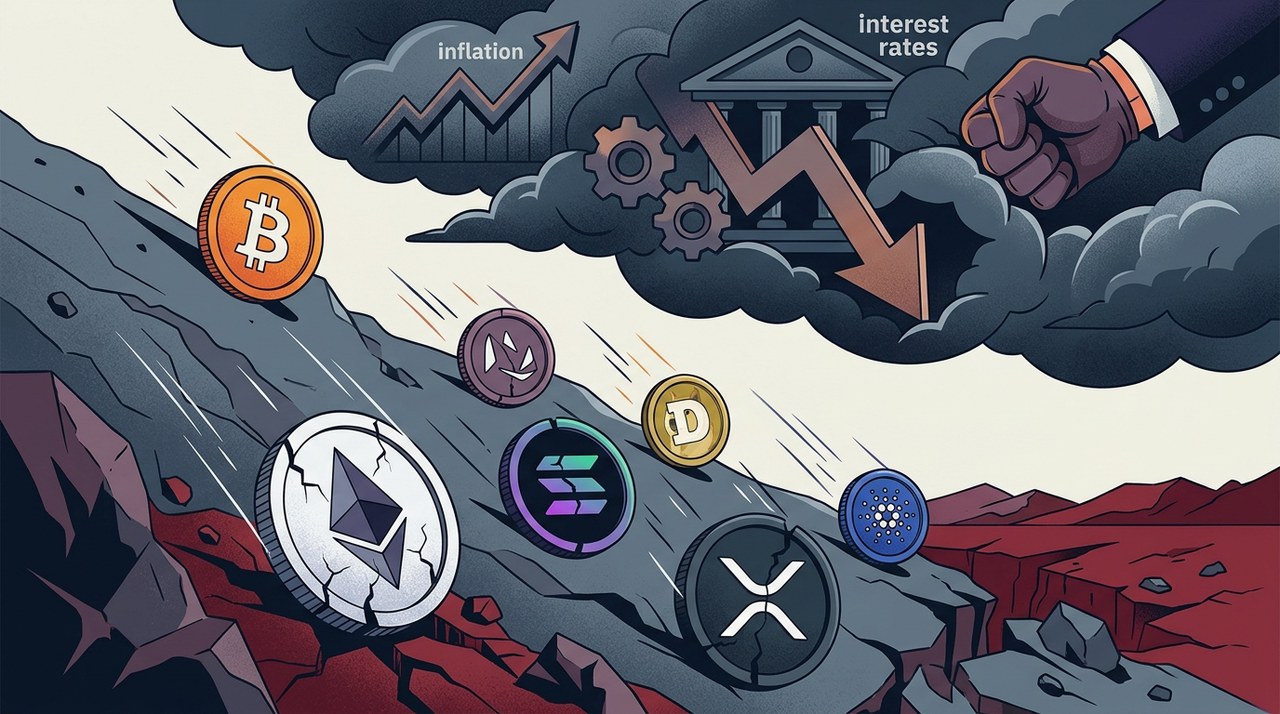
+1Altcoins Face Sharp Drop Amid Broader Macro Pressures
Ethereum, Solana, and XRP dropped sharper than Bitcoin as economic concerns and interest rate expectations weighed on the crypto market.
|

Starknet Votes on Post-Quantum Layer 1 Proposal
Starknet token holders are voting on a seven-day proposal to research an independent, quantum-resistant Layer 1 blockchain.
|