
Ripple Wins Final OCC Approval for National Trust Bank
A Major Federal Approval for RippleXRP+0.67%
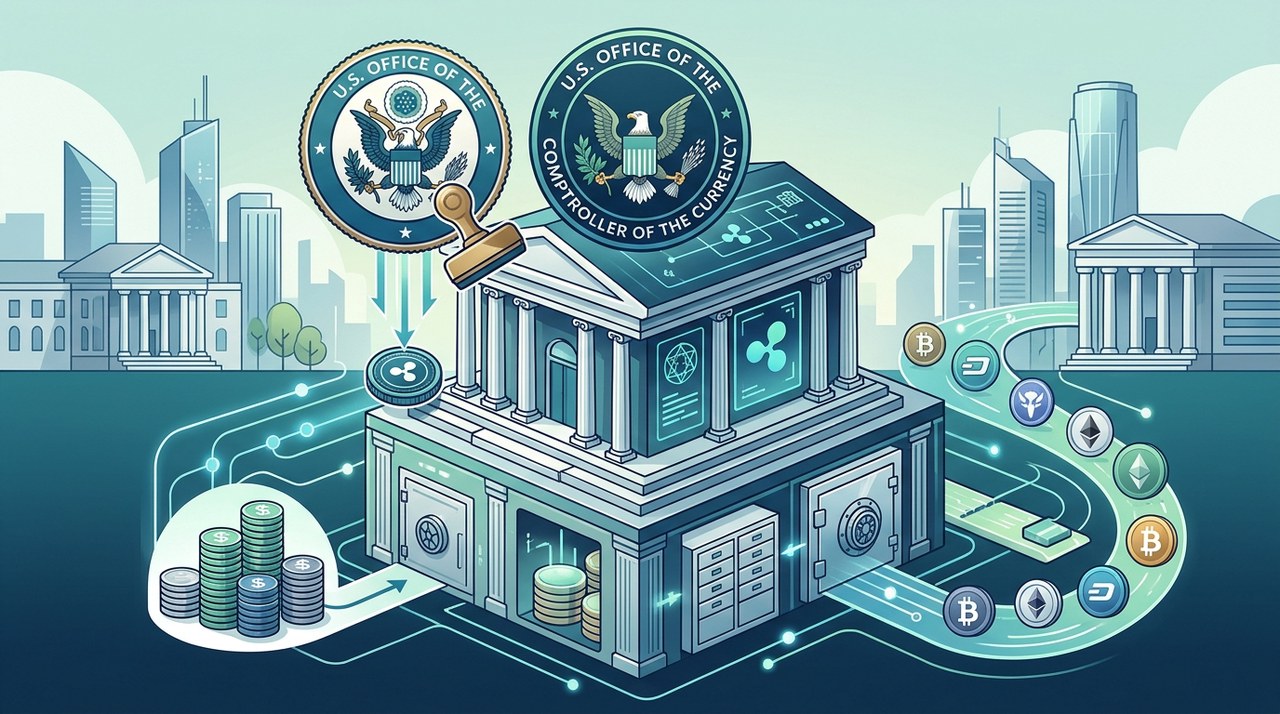
Ripple has officially cleared its final regulatory hurdle to launch a national bank in the United States. Chief Executive Officer Brad Garlinghouse shared the announcement on social platform X, confirming that the US Office of the Comptroller of the Currency (OCC) has granted final approval for Ripple National Trust Bank.
This milestone provides the blockchain company with a federally supervised platform. Under this new charter, Ripple will manage the reserves supporting its US dollar-backed stablecoin, RLUSD, and offer custody services for digital assets held by institutional clients.
The announcement comes right ahead of Ripple's annual Swell event. Company executives view the decision as clear evidence that crypto companies and traditional financial institutions can work together effectively under federal law.
What Is the OCC and Why Does This Charter Matter?
To understand why this decision is significant, it helps to look at how banking regulation works in the United States. The Office of the Comptroller of the Currency (OCC) is an independent bureau of the US Department of the Treasury. It supervises and regulates all national banks across the country.
Securing a federal trust bank charter allows a financial firm to operate nationally under one standardized set of rules. Instead of navigating separate licensing requirements across individual states, a national bank operates under direct federal oversight.
For institutional investors, this decision brings standard banking oversight into digital asset management. It allows institutional clients to store assets and handle stablecoin settlements through a entity that meets federal standards.
Inside Ripple National Trust Bank: Managing RLUSD and Custody
What does the new bank actually do? According to Ripple executives, the entity serves two main roles within the company's ecosystem.
First, the bank will manage the reserve funds that back RLUSD, Ripple's dollar-pegged stablecoin. It will also act as a official collateral trustee for holders of the RLUSD token, ensuring that backed reserves are safeguarded under federal supervision.
Second, the institution will offer regulated digital asset custody. This enables enterprise clients to store crypto assets with a bank subject to federal examinations and compliance standards.
Jack McDonald, Senior Vice President for Stablecoins at Ripple, emphasized that the approval is much more than a charter on paper. He noted that bringing federal banking oversight into institutional crypto infrastructure provides the foundational trust that large financial firms require.
Building Inside the Regulatory Perimeter
Ripple leadership highlighted that working within existing regulatory frameworks has been a deliberate core strategy.
The revolution isn't happening outside the system. It's happening from within it.
Garlinghouse stated that the new bank delivers real innovation paired with accountability and federal oversight. Stuart Alderoty, Ripple's Chief Legal Officer, agreed, pointing out that Ripple made a strategic decision years ago to build within the regulatory perimeter rather than trying to bypass it.
Alderoty added that clear rules create trust, and trust is what allows modern financial infrastructure to grow effectively. Industry groups praised the approval as well. The Blockchain Association, a crypto advocacy organization where Ripple is a longtime member, congratulated the team and called the approval a key milestone for US banking innovation and leadership.
The Journey from Conditional Approval
Reaching this final milestone was a multi-step process. Ripple originally received conditional OCC approval for its trust charter in December 2025.
Ripple was part of a broader group of digital asset companies seeking federal charters during that round. Stablecoin issuer Circle received conditional approval at the same time, while firms like BitGo, Fidelity, and Paxos worked to transition state-chartered trust entities into the federal system.
At the time, Comptroller Jonathan Gould noted that every applicant underwent a thorough review and had to fulfill operational requirements before receiving final clearance to begin operating.
During that initial approval phase, Garlinghouse addressed criticism from traditional banking lobbyists, calling their opposition anti-competitive and asking, What are you so afraid of? He framed the charter as a step forward for RLUSD compliance, pointing to joint oversight from both the OCC and the New York Department of Financial Services (NYDFS).
Banking Partnerships: The Cross River Bank Integration
This federal approval builds on other recent banking partnerships announced by Ripple. Earlier this month, New Jersey-based Cross River Bank agreed to integrate RLUSD into its Core Operating System.
Cross River Bank connects fintech platforms with traditional payment systems. Through this setup, businesses can exchange funds seamlessly between standard US dollars and RLUSD.
Clients can process standard ACH transfers and wires through a single API connection. When settlement occurs on the XRP Ledger (XRPL), transactions process in approximately three to five seconds. Availability currently remains limited to specific states as the rollout continues.
What Comes Next?
While final OCC approval marks a significant institutional milestone, Brad Garlinghouse's post did not specify an exact launch date for when Ripple National Trust Bank will begin full operations.
As crypto and traditional banking systems continue to integrate, regulatory clarity remains an important factor for institutional adoption. Past performance of digital assets or financial institutions is not an indication of future results.
Latest blog posts


Solana Price Drops Below $100 as Whales Move Millions
Solana slipped below the $100 mark as three whale wallets moved $49 million in SOL, raising questions about potential selling pressure.
|


BitMine Resumes Stock Buybacks and Elevates ETH Treasury
BitMine Immersion Technologies restarted its stock buybacks while boosting its Ethereum staking balance past 5.2 million tokens.
|
Jio Platforms IPO: What Reliance Investors Need to Know
Reliance Industries is drawing market attention ahead of the Jio Platforms IPO, where its 67% stake could be worth up to ₹6.9 lakh crore.