
Ripple and BNY Expand Trade Finance on XRP Ledger
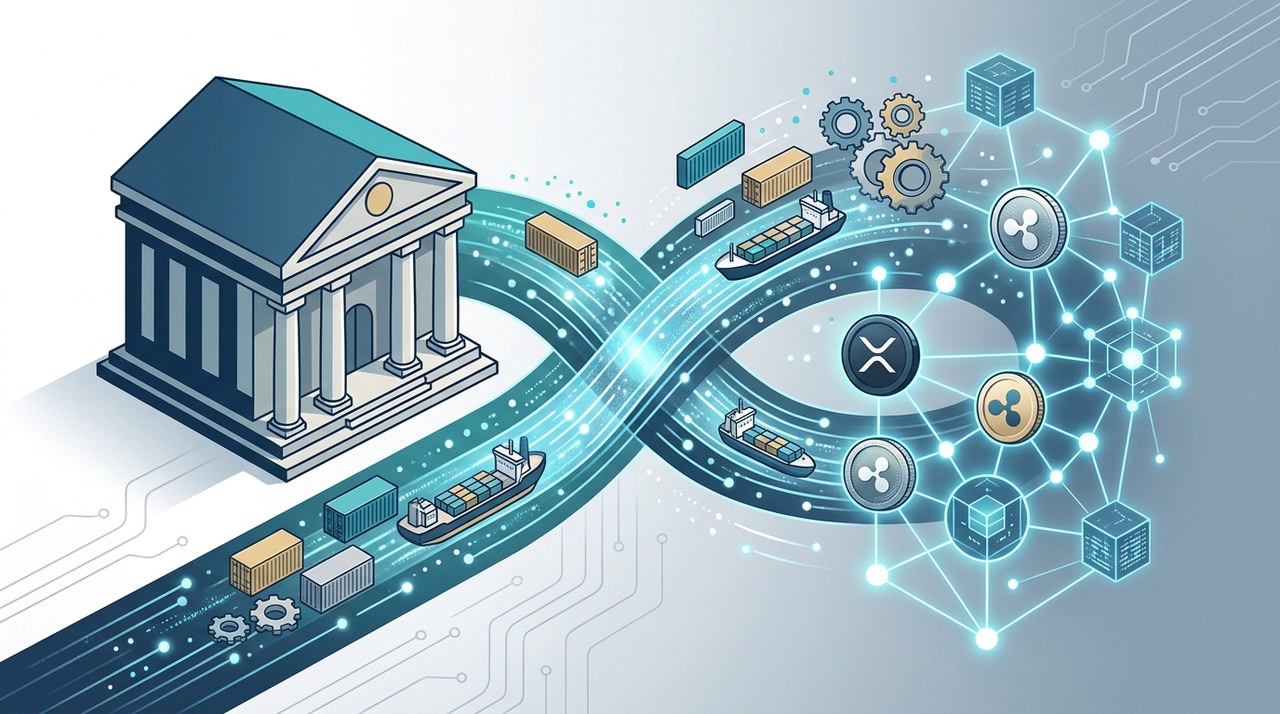
RippleXRP+1.21% and BNY Expand Partnership to Bring Banking Assets to Blockchain
Ripple has expanded its strategic partnership with global financial giant BNY. The updated collaboration brings institutional support for both XRP and Ripple's RLUSD stablecoin directly into BNY's institutional network.
This partnership connects legacy financial systems with modern public blockchain technology. Together, both companies plan to bring real-world financial assets like trade finance onto the XRP Ledger.
The goal is to move digital asset technology beyond basic trading. By integrating enterprise banking tools with decentralized infrastructure, institutional investors can manage real-world transactions more efficiently.
Institutional Custody Support for XRP and RLUSD
A major highlight of the partnership is BNY's decision to add XRP and RLUSD to its Digital Asset Custody platform.
Institutional clients often need strict security controls before holding digital tokens. BNY's custody framework allows eligible institutional investors to store, safeguard, and move XRP and RLUSD safely.
In addition, eligible bank clients can mint and redeem RLUSD directly through BNY. This gives large corporations and funds a direct route to move between US dollars and tokenized funds.
What Is Tokenized Trade Finance?
Trade finance covers the financial products businesses use to buy and sell goods internationally. It helps suppliers get paid while giving buyers time to settle their bills.
Tokenization converts ownership rights of these real-world assets into digital tokens on a blockchain. Instead of relying on paper documents, companies can record transactions on a shared digital ledger.
Ripple and BNY are focusing specifically on trade receivables. Trade receivables represent the cash that buyers owe to businesses for products or services already delivered.
By placing trade receivables on the XRP Ledger, businesses gain access to instant liquidity. It turns slow paper-based accounting into automated digital settlement.
Faster Business Settlement with C2FO and RLUSD
As part of this initiative, Ripple is working with financial technology firm C2FO. Their team plans to launch C2FO Instant Pay financing on the XRP Ledger using RLUSD for settlement.
Under traditional banking systems, suppliers often wait 30, 60, or even 90 days to receive payments on unpaid invoices. This long wait puts heavy cash flow strain on small and medium businesses.
With C2FO Instant Pay on the XRP Ledger, suppliers can receive early invoice payments in seconds. Using RLUSD stablecoins ensures the value stays stable during settlement without traditional bank wire delays.
Making Digital Assets Practical for Traditional Markets
The project signals a shift in how institutions approach tokenized assets. The emphasis has shifted from simply creating digital tokens to making them useful in everyday commercial finance.
It is not just about issuing tokenized assets anymore. Instead, it's all about making them usable within traditional financial markets.
Ripple President Monica Long highlighted that integrating trade finance, cross-border payments, and collateral management onto ledgers opens new capital opportunities for global financial markets.
The History Behind the BNY and Ripple Alliance
This latest update expands an established working relationship between BNY and Ripple.
- July 2025: Ripple selected BNY as the primary reserve custodian for its RLUSD stablecoin.
- Institutional Prime Services: The two firms expanded custody integration to cover institutional services under Ripple Prime.
- Trade Finance Integration: The newest agreement brings trade receivables, payment settlement, and minting mechanisms onto the XRP Ledger.
As institutional interest in real-world asset (RWA) tokenization grows, traditional banks are partnering with blockchain developers to improve underlying operational efficiency.
Understanding Risk Factors in Digital Assets
While institutional participation brings new technology to global finance, digital assets remain subject to market volatility. Investors should stay aware of macroeconomic conditions and changing regulations.
Past performance of digital assets is not an indicator of future performance. You can review current market data and asset details on bitkub.com.
Latest blog posts
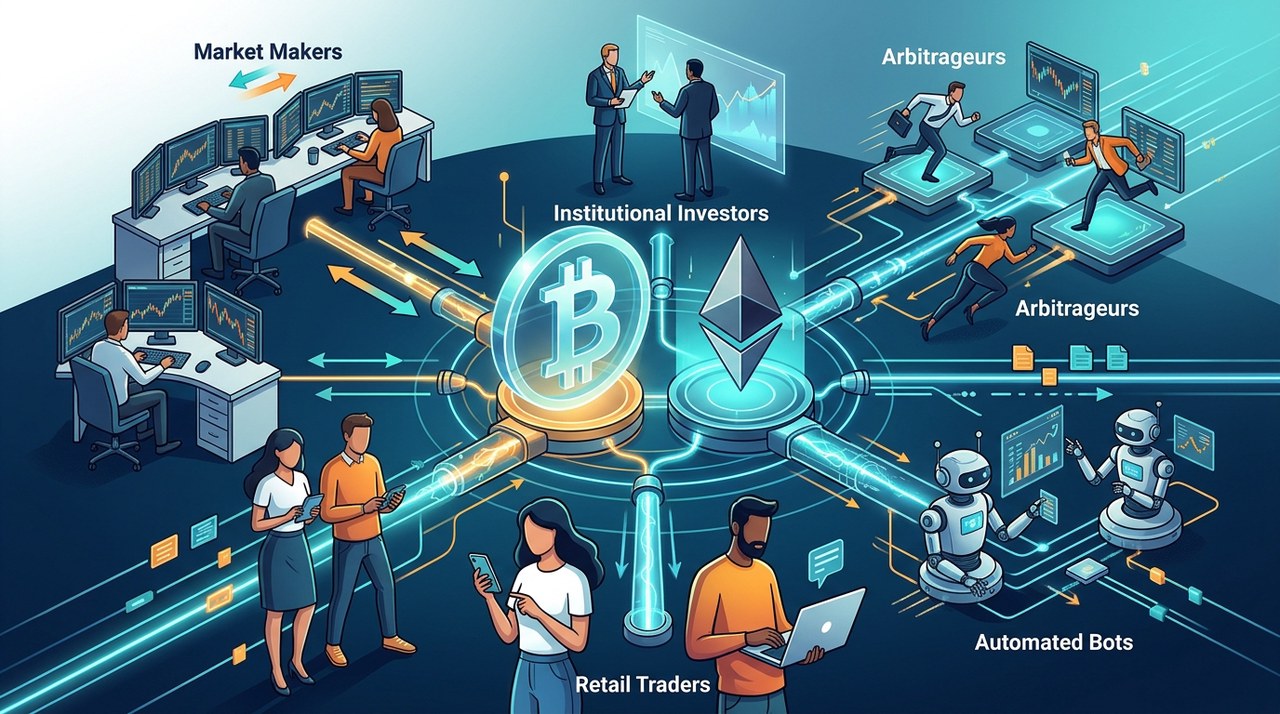


Crypto Market Structure Explained in Simple Terms
Learn how digital asset markets work, from buyers and exchanges to liquidity, derivatives, and price discovery.
|
 +2
Wall Street Pricing Power Moves Onchain with CF Benchmarks
CF Benchmarks is bringing Wall Street-grade pricing data to blockchains, enabling developers to build institutional index funds, tokenized portfolios, and decentralized derivatives.
|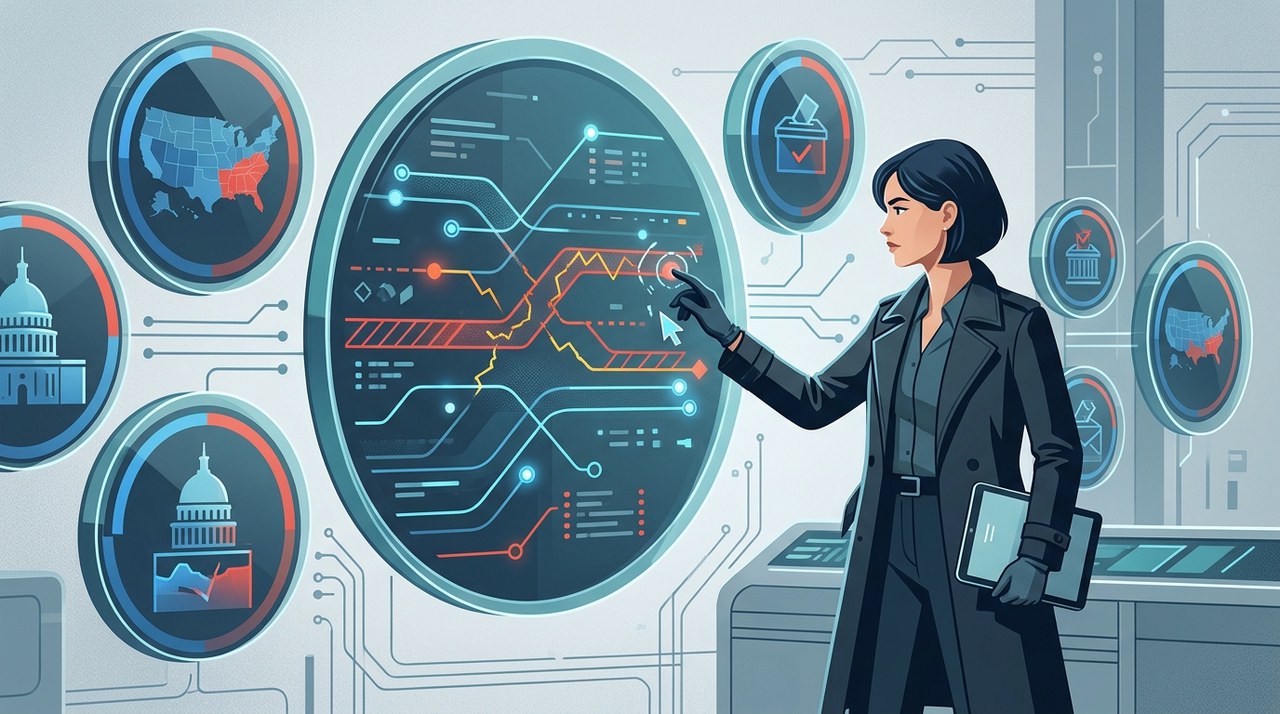
Polymarket Probes Suspicious Bets as Election Markets Surge
Prediction platform Polymarket is investigating suspicious midterm election bets, referring at least two cases to federal regulators as trading volume hits record highs.
|