Only 40 Crypto Firms Survive Brazil's License Deadline

Brazil's Crypto Landscape Undergoes a Major Shakeup
Brazil has just reached a major turning point in its cryptocurrency history. The Central Bank of Brazil established an October 30 deadline for all virtual asset service providers (VASPs) to formally apply for an operating license. Out of an expected 150 to 200 crypto platforms, only about 40 companies submitted their applications to stay in business.
This low turnout marks a massive consolidation in the Brazilian crypto market. Companies that completed their paperwork can continue serving clients while regulators review their files. On the flip side, exchanges that missed the deadline have exactly one month from October 30 to wind down operations and exit the country in an orderly manner.
For new companies hoping to enter Brazil later, the road will be long. The central bank can take up to two years to evaluate new applications, creating a high barrier to entry for any business not already registered.
Why Are So Many Crypto Firms Leaving Brazil?
Running a crypto exchange in Brazil is no longer as simple as maintaining a server and matching buy and sell orders. The central bank introduced strict operational rules that require immense resources, tech infrastructure, and legal oversight.
Tiago Severo, a leading crypto attorney at Brazilian law firm Panucci, Severo e Nebias Advogados (PSNA), shared key insights with news outlet Livecoins. He pointed out that hefty capital requirements and expensive daily reporting schedules forced smaller firms out.
Each company must send custody details of each client to the Central Bank every day and proof of reserves every month, have three years of audited balance sheets, and maintain a money laundering prevention program capable of undergoing an audit.
To put it simply, operating a crypto platform in Brazil now resembles running a traditional bank. Small exchanges simply could not afford the massive legal and accounting teams needed to satisfy these rules:
- Daily Custody Reports: Platforms must submit daily updates to regulators showing where client funds are stored.
- Monthly Proof of Reserves: Exchanges must verify that all customer funds are fully backed every 30 days.
- Audited Financial Statements: Companies must provide three years of audited balance sheets.
- Audit-Ready AML Systems: Exchanges need advanced anti-money laundering controls ready for instant regulatory inspection.
Big Players Take Over as Infrastructure Providers
While smaller exchanges are closing down, heavyweights like Binance and traditional banking giant Itaú filed their applications on time. These industry leaders possess the balance sheets and security budgets required to handle heavy compliance.
According to Severo, this shift will transform how smaller businesses offer digital assets. Instead of building their own exchanges, medium-sized banks, retail companies, and financial cooperatives can hire these licensed giants to handle crypto infrastructure behind the scenes.
This arrangement shifts the focus to legal accountability. The central legal question for the market will now revolve around which entity provides the regulated service and who holds primary responsibility to the end consumer.
The November 6 Fiat Blockade
The clock is ticking quickly for unlicensed platforms. Starting November 6, Brazilian banks and payment service providers are legally prohibited from processing transactions for unlicensed crypto platforms.
Because local bank transfers like Pix are the main way Brazilians buy crypto, losing access to traditional banking rails effectively cuts unlicensed exchanges off from local users. Without fiat access, non-compliant platforms cannot survive in the domestic market.
'Same Risk, Same Rules': The Type 3 Brokerage Framework
Brazil's regulatory vision follows a straightforward philosophy: Same Risk, Same Rules. The Central Bank of Brazil officially classified VASPs under its Type 3 institution framework.
Under Type 3 rules, crypto exchanges must comply with the exact same core standards as traditional securities brokerages. This alignment levels the playing field between crypto firms and legacy financial institutions, prioritizing user security and market transparency over low barriers to entry.
While strict rules enhance overall security standards for users, digital asset markets remain inherently volatile. Past performance of digital assets or financial platforms is not a guarantee of future performance. Investors should evaluate market conditions carefully and manage risks responsibly. For live market data, check out Bitkub Market.
Latest blog posts
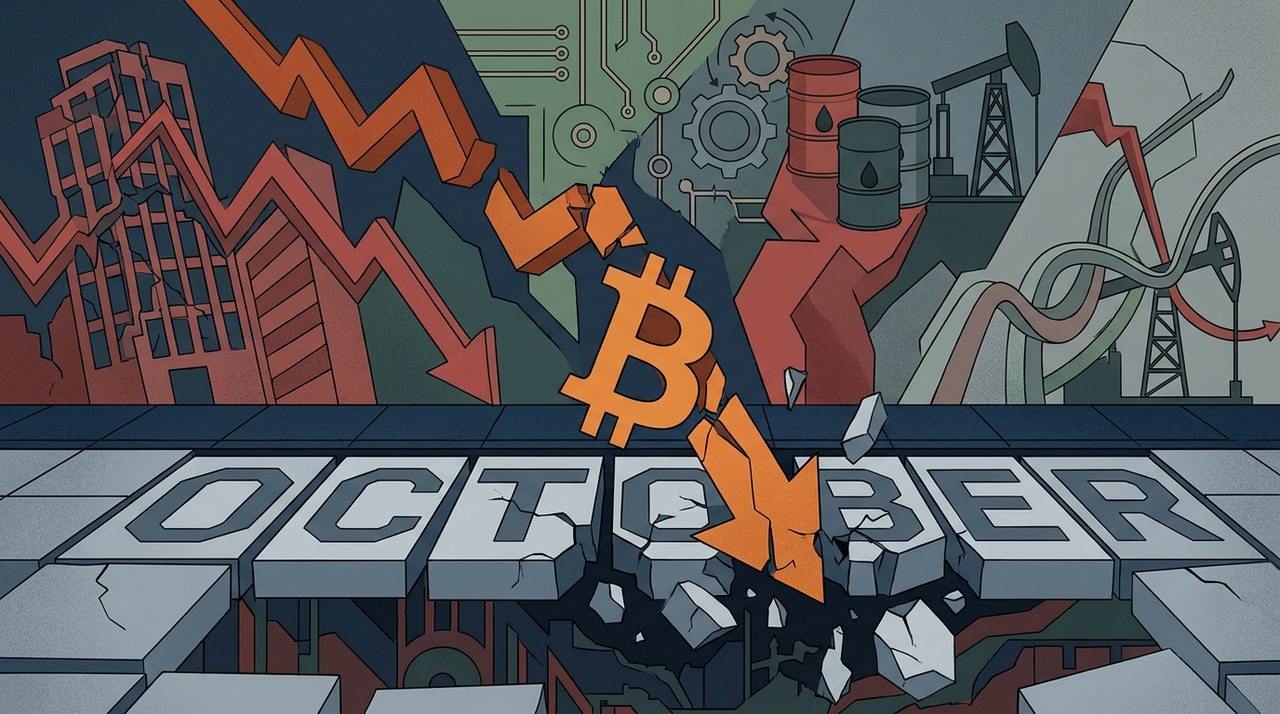


Why Bitcoin's 'Uptober' Failed to Deliver Gains
Bitcoin dropped 7% in October as AI stock pullbacks, shifting bond yields, and rising oil disrupted long-standing market patterns.
|


Cardano Warns of Critical Linux Flaw: Is Your ADA at Risk?
Intersect has alerted Cardano stake pool operators about a critical Linux flaw, but delegator funds remain safe in user wallets.
|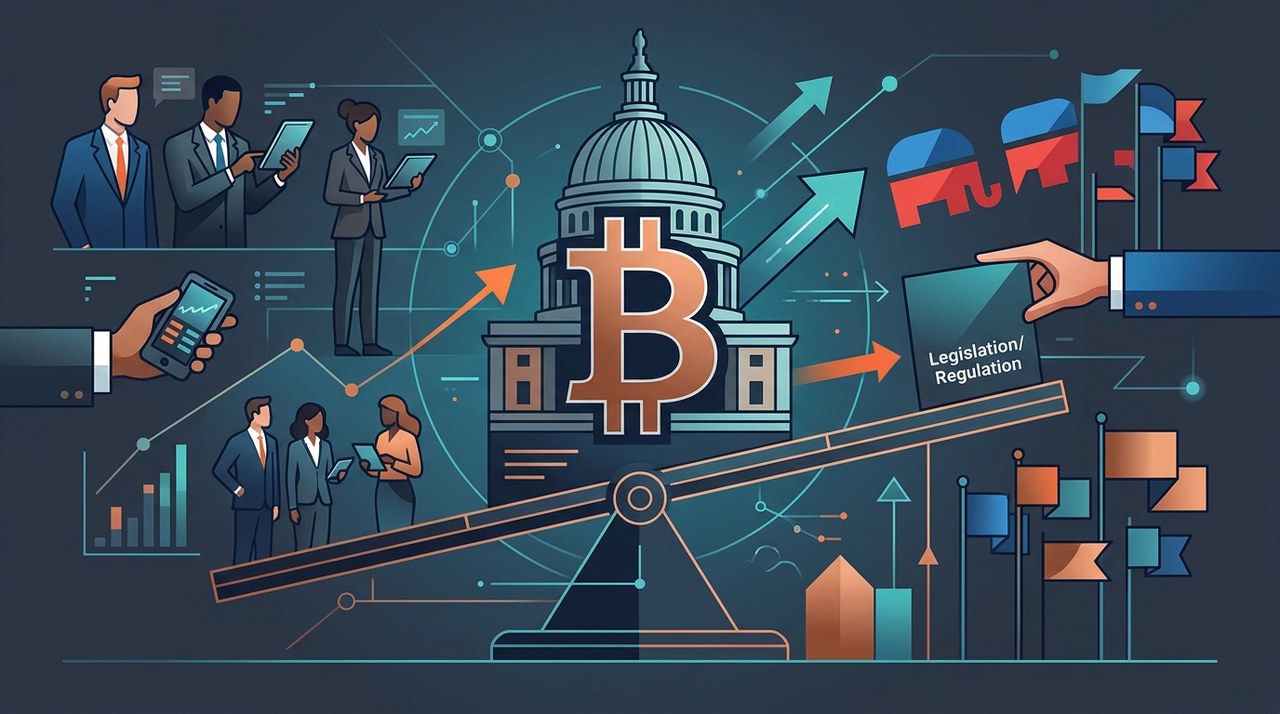
Wall Street Poll Details How US Election Could Impact Bitcoin
A Bloomberg survey of 301 financial pros explores how the upcoming US election could shape Bitcoin, stocks, and crypto regulation.
|