


Moscow Exchange Sets December Launch for Crypto Trading
Big News from Russia's Main Financial Hub
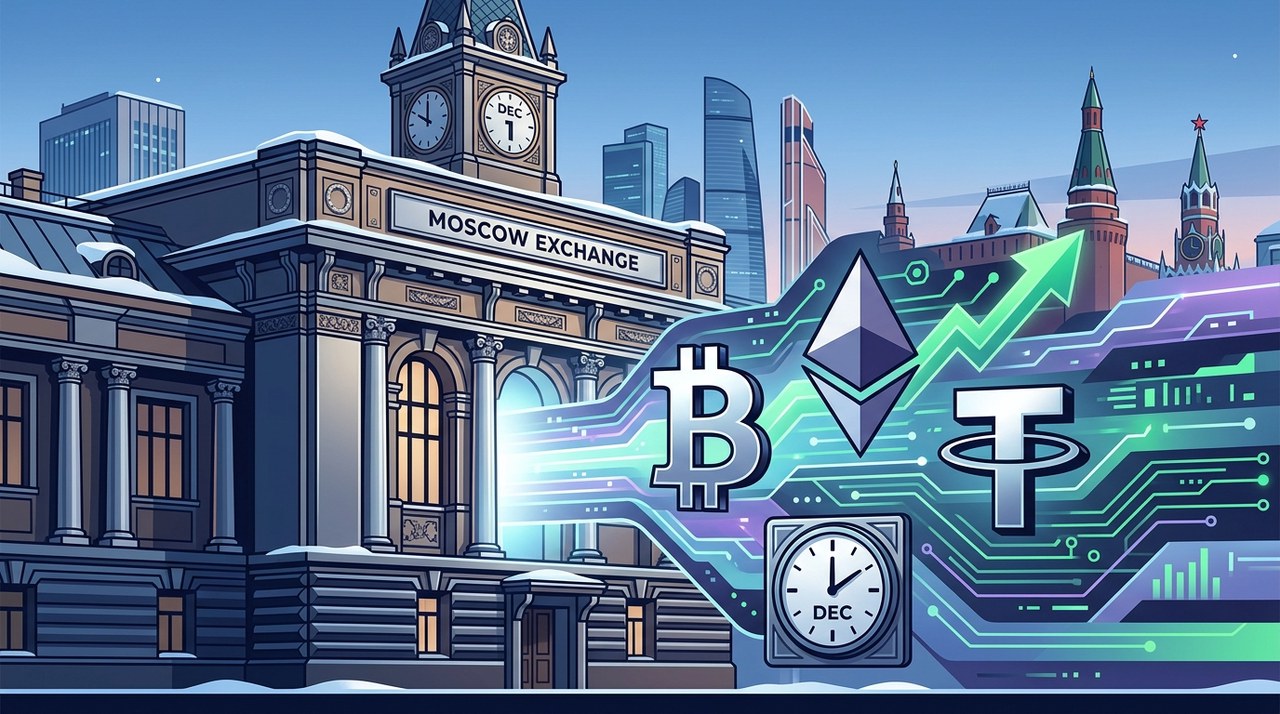
Something major is happening in the world of traditional finance and cryptocurrency. Russia's largest stock market, the Moscow Exchange, is officially preparing to launch crypto trading on December 1.
This launch is moving forward under Russia's newly enacted cryptocurrency laws. It represents a significant step in integrating digital currencies into the nation's established financial structure.
Which Cryptocurrencies Will Be Supported?
When trading opens on December 1, the exchange plans to support three major digital assets right out of the gate:
- Bitcoin (BTCBTC-0.57%): The world's first and largest cryptocurrency by market capitalization.
- Ether (ETH): The native token of the EthereumETH+0.06% network, famous for powering smart contracts.
- TetherUSDT-0.03%: The most widely used stablecoin, pegged directly to the US dollar.
By offering these three assets, the exchange covers the primary needs of crypto traders: store-of-value with Bitcoin, decentralized ecosystem access with Ether, and price stability with Tether.
Understanding Russia's New Legal Framework
The upcoming launch is made possible by fresh legislation passed by Russian lawmakers. Russia's approach to digital assets has shifted significantly over time, moving from heavy caution toward structured regulation.
Under this new legal framework, traditional financial institutions like the Moscow Exchange can legally facilitate crypto trading within defined regulatory boundaries.
Investor Rules: Qualified vs. Non-Qualified Traders
One of the key features of the new system is how it distinguishes between different types of investors to manage financial risk.
The law enforces strict annual purchase limits for non-qualified investors.
What is a Non-Qualified Investor?
A non-qualified investor is simply an everyday retail trader who does not meet specific professional or financial criteria. Because crypto markets can experience extreme price swings, regulators use annual caps to help protect retail investors from risking money they cannot afford to lose.
What About Qualified Investors?
Qualified investors—such as institutional funds, professional traders, or high-net-worth individuals—typically have higher or custom trading limits because they possess greater experience in managing high-risk assets.
Key Highlights Summary
- Launch Date: December 1
- Exchange: Moscow Exchange
- Available Assets: Bitcoin (BTC), Ether (ETH), Tether (USDT)
- Regulatory Basis: Russia's new crypto law framework
- Investor Protection: Annual spending caps for non-qualified (retail) traders
Understanding Market Risk and Volatility
While regulated access provides safer market infrastructure, digital currencies remain highly volatile financial instruments. Prices can change rapidly depending on macroeconomic conditions, global liquidity, and regulatory updates.
Past performance of digital assets is not an indication of future results. Investors should carefully assess their risk tolerance before trading.
If you are interested in tracking global cryptocurrency prices and performance data, you can check updated market rates on Bitkub Market.
Looking Ahead to December
The Moscow Exchange's move to launch BTC, ETH, and USDT trading on December 1 is a significant development in global crypto regulation. By blending formal exchange infrastructure with investor protections like retail limits, Russia is setting a clear blueprint for regulated domestic digital asset trading.
Latest blog posts


Essential Privacy and Security Tools for Crypto Investors
Protect your crypto assets and personal identity with essential privacy tools, security applications, and self-custody best practices.
|

NEAR Drops 7% as Token Issuance Cut Approved
NEAR Protocol fell 7% following a community vote to cut token issuance by 11.8 million NEAR over two years, a reduction valued at $45 million.
|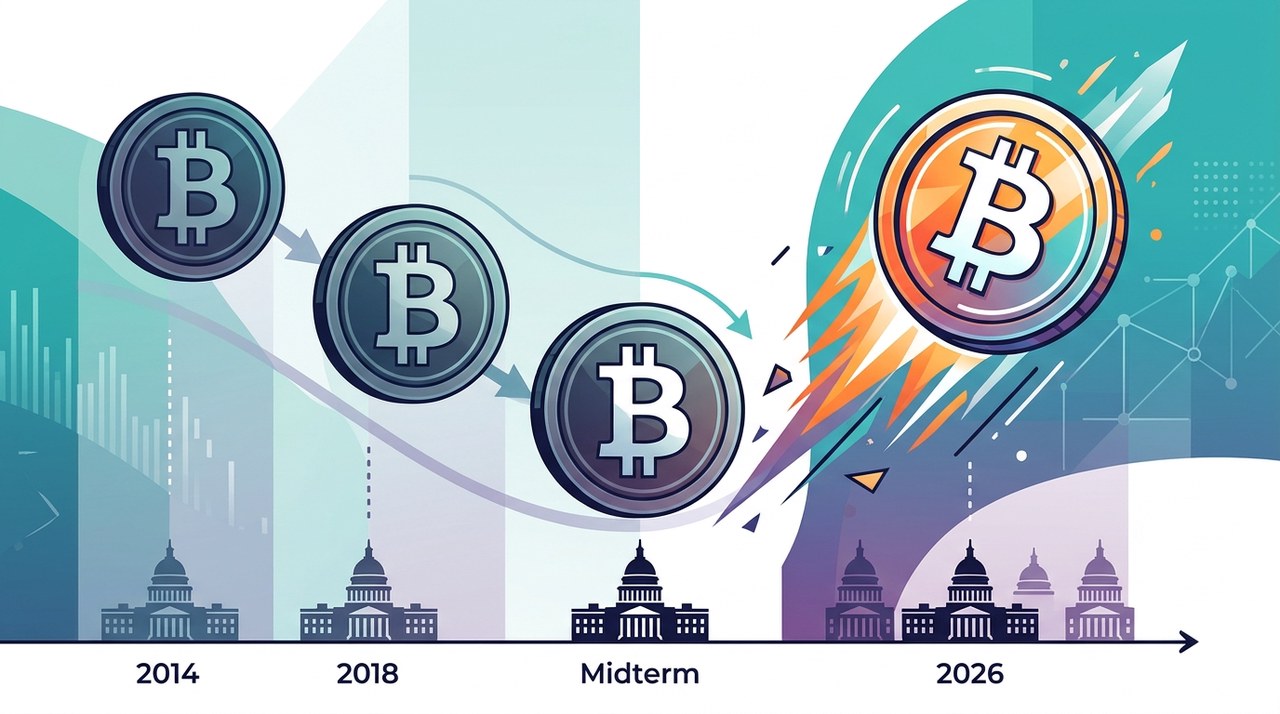
Bitcoin Breaks Midterm Election Pattern Set Since 2014
Bitcoin is breaking a historic price pattern linked to U.S. midterm elections that has held true since 2014.
|