
Morgan Stanley Warns Fed Rate Hikes May Not Be Over
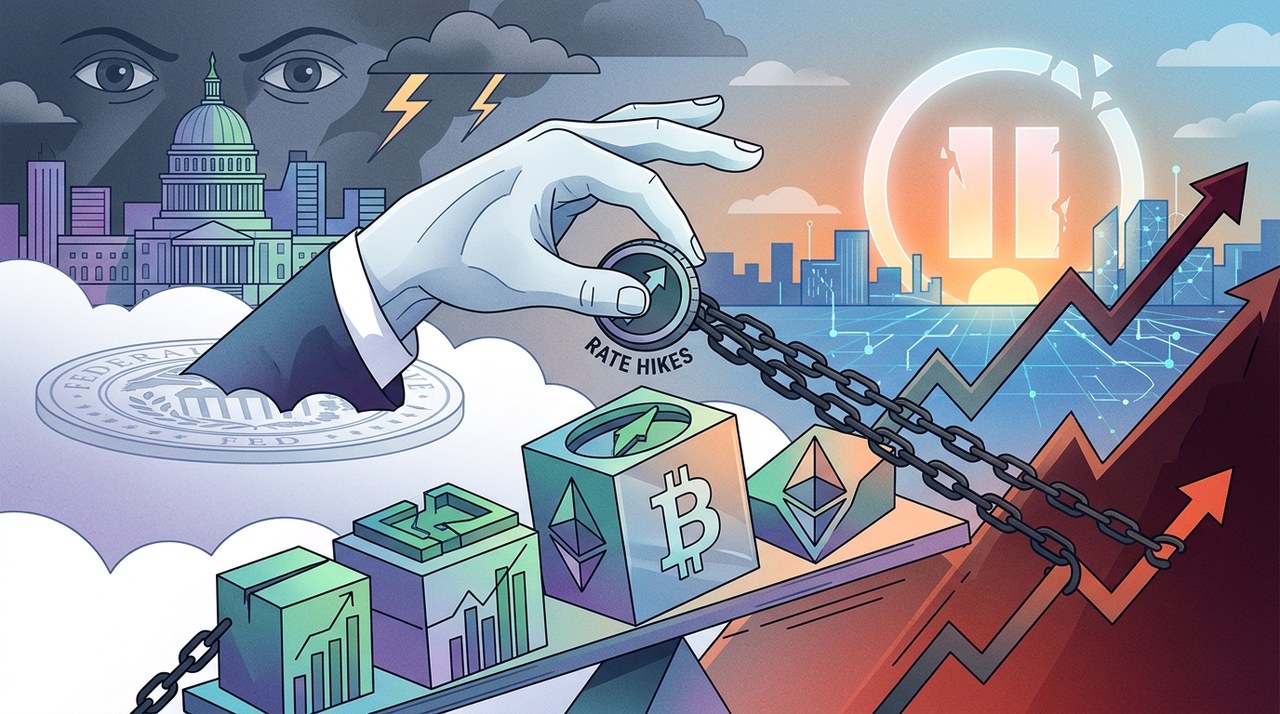
Why a Fed Pause Doesn't Mean Rate Hikes Are Over
Investors around the world are watching the Federal Reserve closely today. Most market participants expect the central bank to keep interest rates steady during this meeting.
However, Morgan Stanley chief US economist Michael Gapen cautions that holding rates today does not mean rate increases are done for good. The Fed could still signal that further hikes lie ahead.
Financial markets have already priced in a pause for today. Many traders are even leaning toward another rate hike coming in December. Because of this expectation, the simple act of holding rates today won't be the main market mover.
Instead, traders are watching the tone of the Fed's statement. A tone suggesting future rate hikes could create volatility for rate-sensitive assets, including Bitcoin (BTCBTC+1.61%) and broader stock markets.
What Makes a Rate Hold Sound Hawkish?
Speaking in an interview with CNBC, Gapen explained that the Fed will likely hold rates while leaving the door open for future increases.
He noted that the committee wants extra time to assess underlying economic trends before making any permanent policy decisions.
One important clue to watch is the number of dissenting votes within the voting committee. Dissenting votes happen when officials vote against the majority decision.
When the Fed held rates steady back in July, three officials voted for a rate hike instead. For Wednesday's meeting, Gapen expects two committee members to dissent.
- Fewer than two dissents would sound dovish, signaling less eagerness to raise rates.
- Three dissents would sound hawkish, showing strong internal support for higher rates.
Fed Leadership and Key Decision Points
Fed Chair Kevin Warsh has declined to preview the outcome of the decision. Gapen doubts Warsh will explicitly announce that future hikes are coming, as he generally dislikes pre-announcing policy moves.
The Fed previously raised interest rates in September. Warsh has identified October and December as critical decision points for evaluating the economy.
Can the Economy Handle Further Rate Increases?
Tighter financial conditions since the last meeting give officials a strong reason to proceed slowly. Market pricing for future hikes is already doing some of the Fed's work by tightening conditions early.
However, central bank officials still need to decide whether they will validate those market expectations with real policy changes.
Meanwhile, geopolitical tensions in the Middle East continue to put pressure on global oil and diesel markets.
Gapen would be surprised if Warsh ignores these second-round effects, where high energy costs spill over into wider consumer inflation.
How Many Hikes Are Still on the Table?
According to Gapen, the economy can comfortably handle an additional 75 to 100 basis points of total hikes, which equals up to one full percentage point.
In contrast, seeing six or seven total hikes—which would return interest rates to 2023 levels—would present a much tougher environment for businesses and consumers.
Gapen believes the Fed can hike rates every other meeting while carefully analyzing fresh data. However, volatile energy markets will strongly influence how fast or slow that pace ultimately becomes.
Latest blog posts

Oracle and OpenAI Push AI Growth, Skip Funding Questions
Oracle and OpenAI highlighted massive user adoption at Oracle AI World, but investors remain focused on how Oracle will fund its $664 billion backlog.

Jim Cramer Highlights Micron and SK Hynix Stock Link
CNBC host Jim Cramer noted that US-based Micron Technology often trades in step with South Korea's SK Hynix, exposing US investors to Seoul market moves.

Why Bonds Are Making a Comeback After Years of Losses
Ariel Investments vice chairman Charlie Bobrinskoy highlights rising Treasury yields and inflation-adjusted returns, offering fresh opportunities for market investors.