
Massachusetts Eyes January Deadline for Crypto ATMs
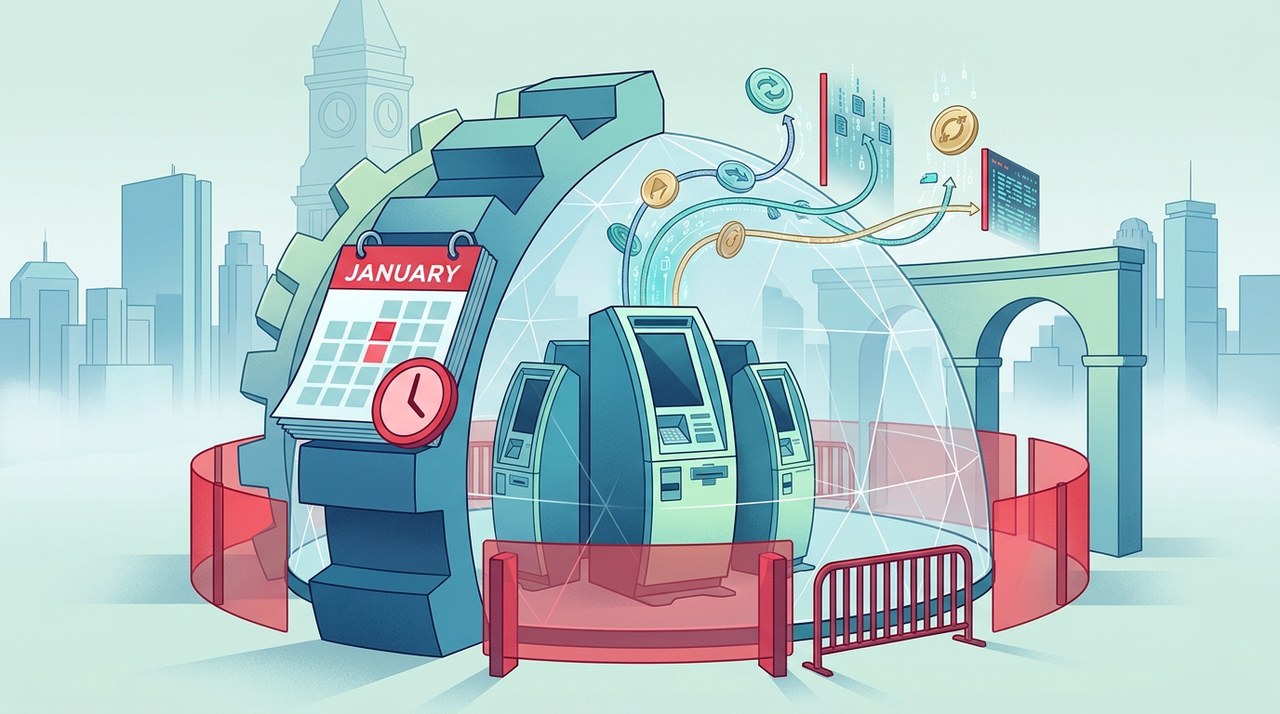
Regulatory Pressure Builds on Crypto ATMs
States and local governments across the United States are taking firm action against cryptocurrency ATM operators. In Massachusetts, kiosk providers could face a key deadline as early as January as authorities work to protect residents from financial scams.
This push for stricter regulation comes after a rise in reports involving bad actors tricking individuals into depositing cash into crypto kiosks to send funds straight to fraudulent digital wallets.
What Are Crypto ATMs and How Do They Work?
Crypto ATMs, also known as cryptocurrency kiosks, look similar to traditional bank ATMs. However, instead of dispensing cash from a bank account, they allow users to insert physical cash to purchase digital currencies like BitcoinBTC+0.87%.
Once a user scans their wallet QR code and deposits money, the machine broadcasts the transaction to the blockchain network, delivering the tokens to the designated wallet address within minutes.
Why Scammers Focus on Kiosks
Financial fraudsters frequently target cryptocurrency kiosks because transactions on the blockchain are irreversible. Once cash is deposited and converted into crypto, the funds are sent across global networks instantly.
Scammers often impersonate government officials, utility companies, or tech support agents over the phone. They urgency-drive victims to local kiosks to deposit cash before the victim realizes they are being tricked.
State and Local Regulatory Measures
Municipalities and state oversight agencies are introducing new rules to mitigate these risks. Measures under consideration or implementation include:
- Mandatory warning notices displayed on kiosk screens before cash is deposited
- Stricter daily deposit limits for first-time or unverified users
- Enhanced identity verification requirements prior to completing transactions
- Clear deadlines for operators to obtain specialized state licenses
What This Means for Users and Operators
For crypto kiosk companies, compliance with upcoming deadlines—such as the potential January regulatory benchmarks in Massachusetts—is becoming essential to maintain operations. Non-compliant operators may face fines or forced closures.
Everyday users should remain vigilant when interacting with crypto ATMs. Legitimate businesses and government agencies will never demand urgent payments made through cash-to-crypto machines.
Understanding Crypto Risks
While digital assets continue to gain broader adoption, using crypto kiosks requires careful attention to security. Past performance of digital assets is not a guarantee of future performance or results, and users should always double-check wallet addresses and receiver identities before confirming transactions. For market data, you can view details at Bitkub Market.
Latest blog posts
Dormant 2010 Bitcoin Wallet Wakes Up After 16 Years
A Bitcoin wallet from 2010 moved funds after 16 years, triggering online rumors about quantum attacks that experts quickly disproved.
|


Solana Founder Explains AI, Public Keys, and Crypto's Future
Solana co-founder Anatoly Yakovenko shared four key pillars for Solana's endgame, highlighting why AI cannot fake cryptographic public keys.
|
Craig Wright Explains Bitcoin Halving Math and Miner Fees
Craig Wright argues Bitcoin must double in price every four years unless network transaction fees grow enough to cover miner revenue gaps.
|