
MARA Posts $634M Q3 Profit and Sells BTC to Pay Off Debt
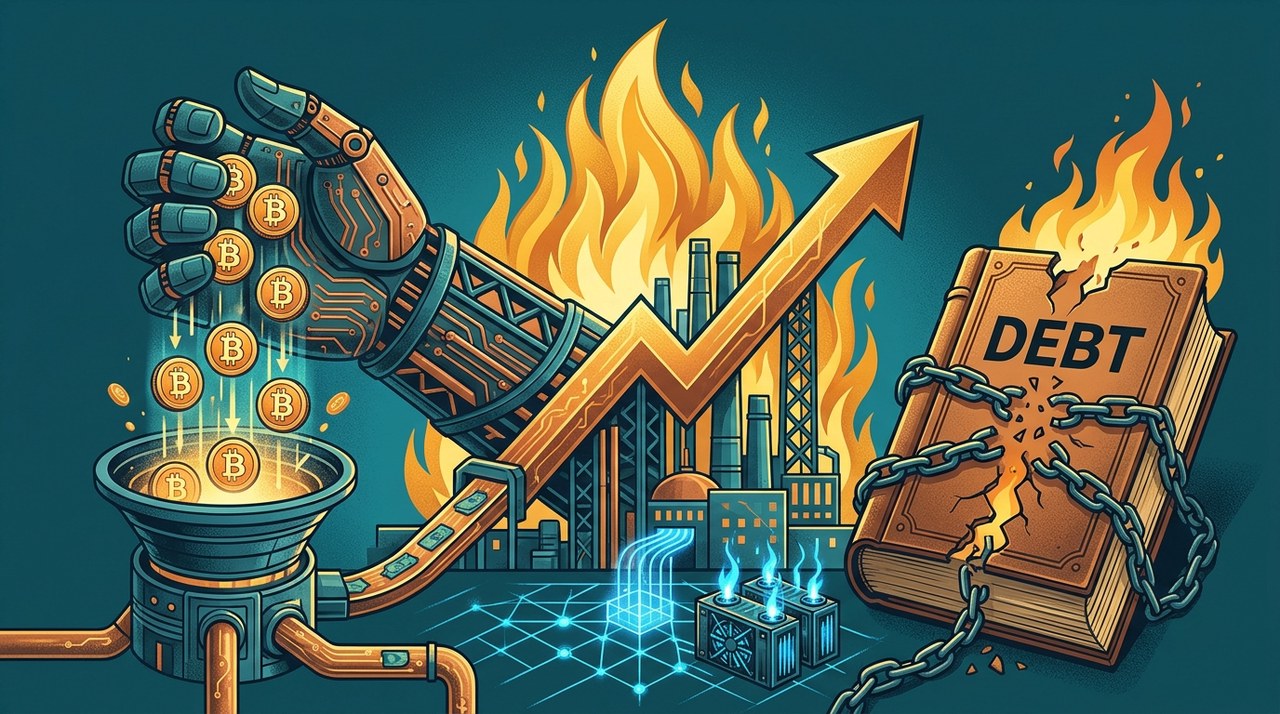
MARA Delivers $634.4 Million Net Profit in Q3
Bitcoin mining firm MARA has published its third-quarter financial results. The company reported a net profit of $634.4 million for the quarter.
A primary driver behind this significant profit figure was gains realized from its Bitcoin holdings. When the market value of digital assets increases, mining companies with large treasuries often see positive adjustments on their financial statements.
However, running a major mining operation requires significant energy and continuous technology upgrades. Managing financial reserves effectively is critical for remaining competitive over the long term.
Clearing the Books: Selling 13,597 Bitcoin to Pay Off $750M in Debt
Alongside its profit announcement, MARA confirmed that it sold 13,597 Bitcoin from its reserves.
The proceeds from this digital asset sale were utilized to settle $750 million in outstanding loans. By eliminating this debt, MARA aims to reduce recurring interest expenses and simplify its balance sheet.
Selling assets to eliminate $750 million in corporate debt allows MARA to lower financial risk and redeploy resources toward strategic growth.
Paying down debt during favorable market conditions is a common treasury strategy. It helps companies strengthen their cash position before facing potential shifts in market trends.
Why Bitcoin Miners Are Pivoting Toward Artificial Intelligence
MARA is also shifting a portion of its strategic focus toward artificial intelligence (AI) and high-performance computing (HPC).
Several factors make Bitcoin miners well-suited for hosting AI workloads:
- Power Access: Mining facilities already control massive megawatt power contracts necessary for intensive computing.
- Data Center Infrastructure: Existing physical structures can be adapted to host high-performance servers.
- Operational Expertise: Mining teams are experienced in managing dense thermal cooling and power grids.
- Revenue Diversification: Adding AI services creates predictable subscription revenue alongside fluctuating mining rewards.
As computational demand for AI machine learning models expands globally, mining infrastructure offers valuable real estate for technology operations.
How Treasury Management Works for Crypto Miners
Crypto mining companies operate in a capital-intensive environment. They generate new coins daily, but they also face heavy electricity bills and hardware replacement cycles.
Miners generally follow one of two strategies with their earned coins:
- Hold Strategy: Keep generated coins on the balance sheet hoping for asset appreciation over time.
- Sell Strategy: Liquidate coins periodically to cover operational costs, invest in hardware, or clear debt.
MARA's choice to sell 13,597 BTCBTC+0.33% shows a shift toward balancing treasury holdings with immediate financial flexibility.
Market Dynamics and Dual Scenarios
Corporate strategy moves can influence market sentiment in multiple ways. Depending on broader economic conditions, different market outcomes remain possible:
If overall market liquidity remains strong and institutional demand continues, miner sales may easily be absorbed by the market without causing severe price pressure. In addition, reduced corporate debt can make the mining firm more resilient.
Conversely, if market sentiment cools or total buying volume drops, large-scale asset liquidations by mining firms could contribute to short-term market volatility. Market participants often closely monitor miner wallet movements for clues on supply pressure.
Final Thoughts and Risk Considerations
MARA's Q3 net profit of $634.4 million highlights how digital asset valuation impacts corporate balance sheets. At the same time, using asset sales to retire $750 million in debt underscores a strategic pivot toward financial sustainability and AI infrastructure.
Investors and market observers should remember that digital asset prices remain highly volatile. Corporate pivots and asset sales carry operational and market risks that depend on macroeconomic conditions.
Past performance of digital assets is not a guarantee of future returns. You can track real-time price updates and market data on platforms like Bitkub Market.
Latest blog posts

 +2
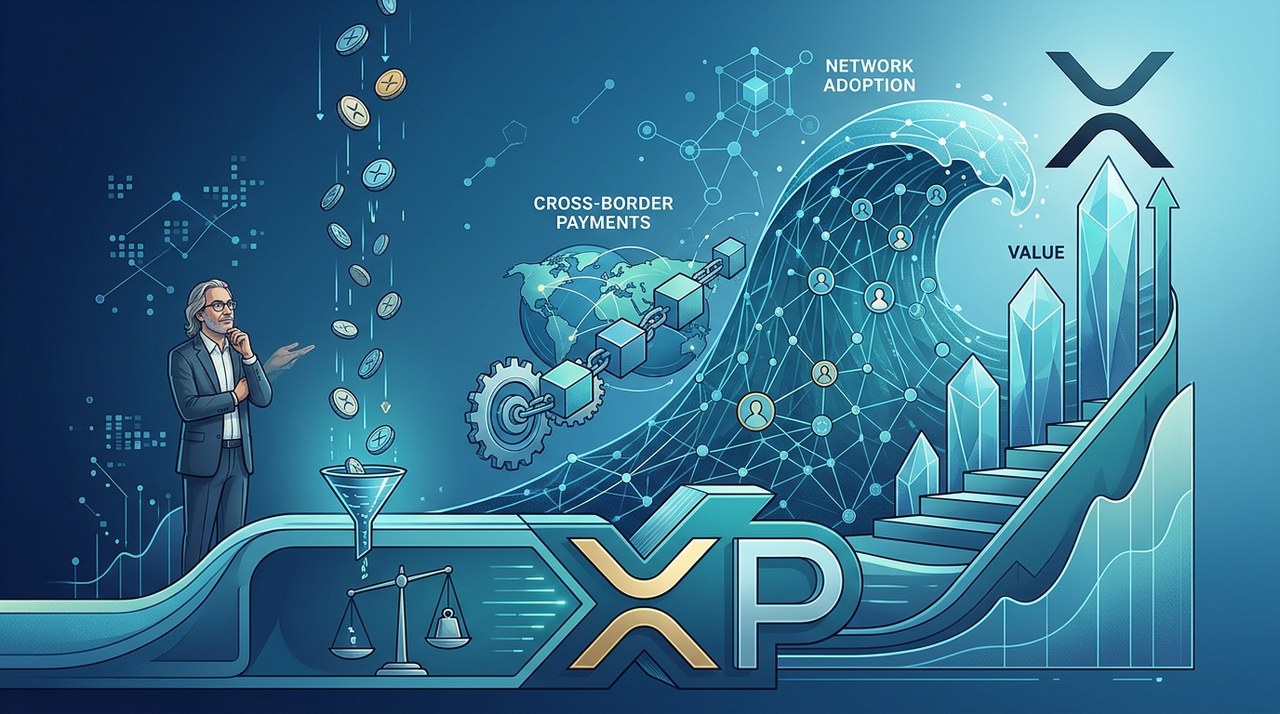
Ripple's David Schwartz Clarifies XRP Price Factors
Former Ripple CTO David Schwartz explains why transaction gas fees do not drive XRP price, offering insights into ledger adoption.
|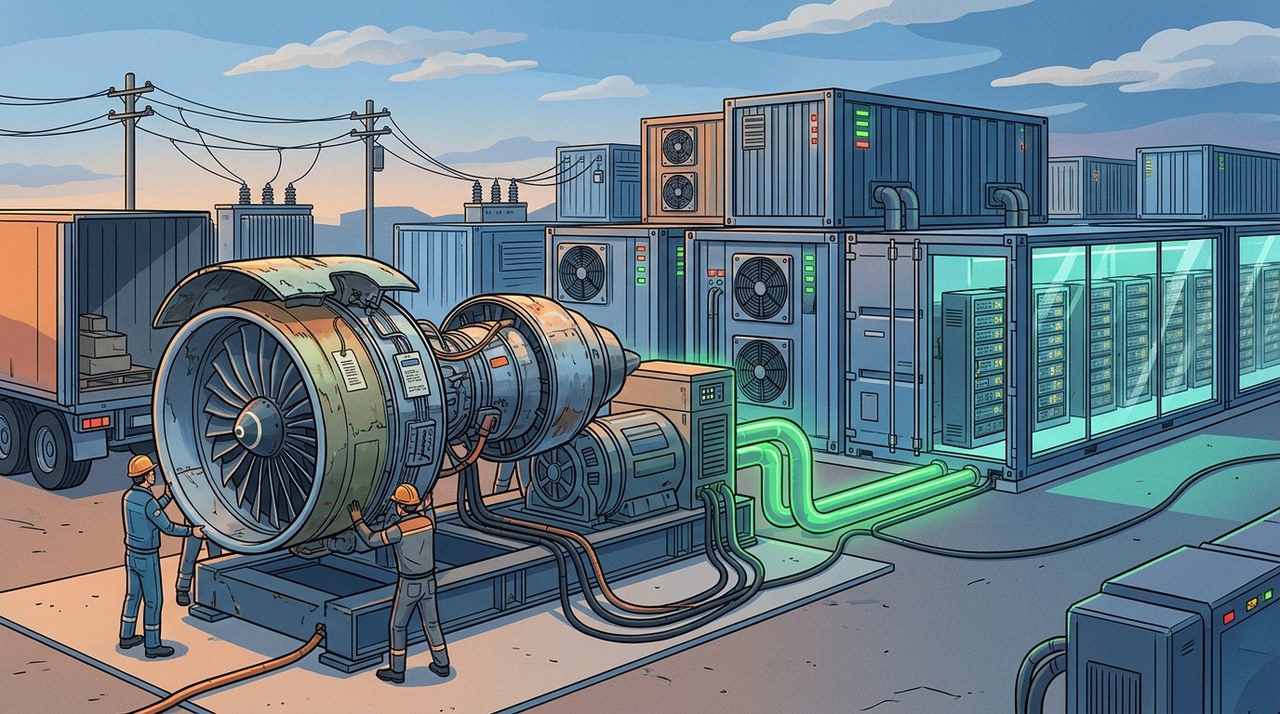

AI Data Centers Buying Used Jet Engines Amid Power Delays
Data center operators are purchasing second-hand jet engines to power AI facilities while standard power turbines face six-year delivery backlogs.
|

Vitalik Buterin and Ethereum Foundation Face Lawsuit
A former Ethereum Foundation team lead has filed a federal lawsuit against Vitalik Buterin and the organization following a workplace dispute.
|