


Ripple's David Schwartz Clarifies XRP Price Factors
Debunking a Common Crypto Myth
Cryptocurrency markets can be confusing, especially when trying to understand what gives a digital token its value.
Recently, former RippleXRP-2.90% Chief Technology Officer David Schwartz addressed a widespread misconception about XRP.
He clarified that using XRP for network transaction fees, often called gas, does not heavily push its market price up.
Why Gas Fees Do Not Drive XRP Price
On many blockchain networks, users pay transaction fees in the native asset. Some investors believe high network activity automatically pushes prices sky-high.
David Schwartz, who helped create the XRP Ledger (XRPL), directly challenged this line of thinking on social media.
"I don't think anybody who knows anything has said that the use of XRP as gas will be a major driver of the price of XRP," Schwartz explained.
Because transaction costs on the XRP Ledger are designed to be extremely low, fee usage alone cannot generate enough demand to move market valuation significantly.
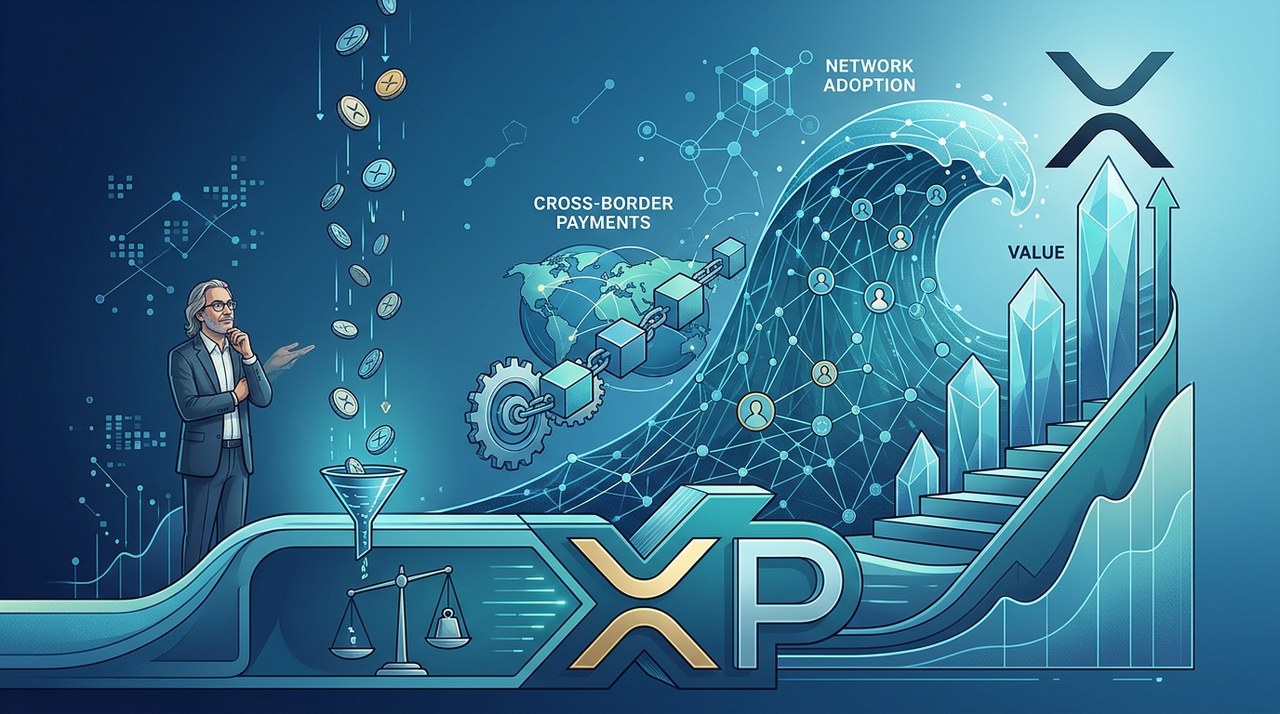
How Network Adoption Actually Creates Value
If gas fees do not drive the token's price, what does? Schwartz pointed back to insights he shared in November 2025.
He explained that genuine adoption of the XRP Ledger provides utility through the unique design of the asset.
"The increased use and adoption of XRPL will add value to XRP by its privileged place on the ledger," Schwartz noted.
He highlighted three main factors that make XRP uniquely suited for cross-border financial utility:
- Zero Counterparty Risk: Holding XRP does not rely on a third-party issuer or bank to honor its value.
- Jurisdictionless Nature: The token operates globally without being tied to a single national legal jurisdiction.
- Autobridging Functionality: The XRP Ledger uses XRP as an automatic bridge asset to facilitate trades between different currencies seamlessly.
Schwartz remains optimistic about the structural connection between network growth and token value over time.
"I really do think it's hard to think we could end up in a world where XRPL is successful and XRP doesn't get a good fraction of that value," he added.
However, if ledger adoption stalls or competing payment technologies capture market share, token demand might not meet expectations.
The Original Purpose Behind the XRP Ledger
It helps to remember why developers built the XRP Ledger in the first place.
Schwartz emphasized that the ledger was never engineered merely to pump up token valuations.
Instead, the foundational goal was building a fast, low-cost global payment system featuring an integrated decentralized exchange.
Addressing Market Performance and Community Frustration
Schwartz's statements come during a period of mounting frustration among long-term XRP holders.
Market data reported by Alex Dovbnya showed XRP trading near $1.09, reflecting a 12% drop over a seven-day period.
The token also suffered a sharp decline against BitcoinBTC-0.26% during the same timeframe.
Past performance of digital assets does not guarantee future results or returns. Investors can monitor live rates on Bitkub XRP Market.
When questioned about his role in token pricing, Schwartz was candid about his personal influence.
"Do I have anything to do with the price of XRP? Honestly? I guess probably not anything. But very little," Schwartz stated.
Broader Industry Developments
The discussion around XRP comes amidst several notable moves across the wider cryptocurrency space.
Financial giant Charles Schwab announced expanded trading offerings for SolanaSOL-1.31%, Avalanche (AVAX), and ChainlinkLINK+1.73%, though XRP was notably omitted from the announcement.
Meanwhile, memecoin Shiba InuSHIB-0.60% saw its total holder count expand even while experiencing a severe price correction.
These updates highlight how quickly market dynamics shift, reminding investors to evaluate utility and risk carefully across all digital assets.
Latest blog posts


AI Data Centers Buying Used Jet Engines Amid Power Delays
Data center operators are purchasing second-hand jet engines to power AI facilities while standard power turbines face six-year delivery backlogs.
|

Vitalik Buterin and Ethereum Foundation Face Lawsuit
A former Ethereum Foundation team lead has filed a federal lawsuit against Vitalik Buterin and the organization following a workplace dispute.
|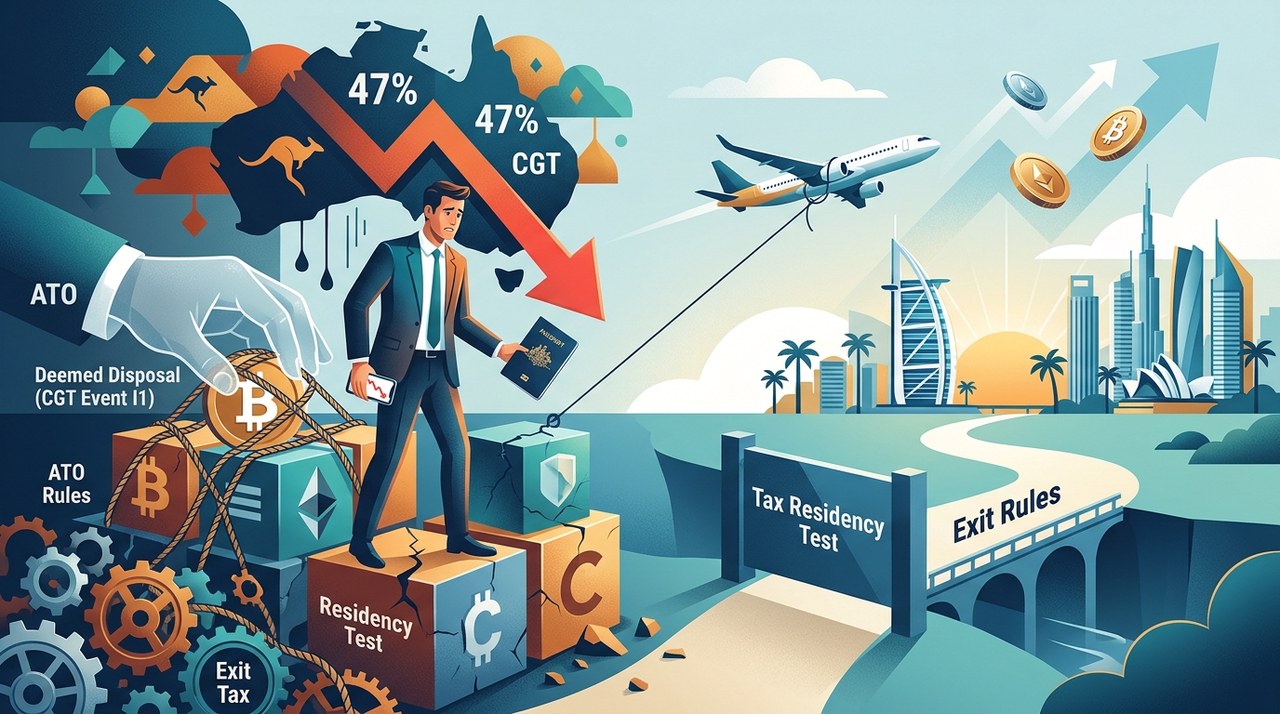
Avoiding Australia's 47% Crypto Tax: What to Know
Australian crypto investors facing high tax rates by July 2027 are weighing overseas moves against legal local tax optimization strategies.