Lula Wins Brazil Election: Stock Market Reaction Explained
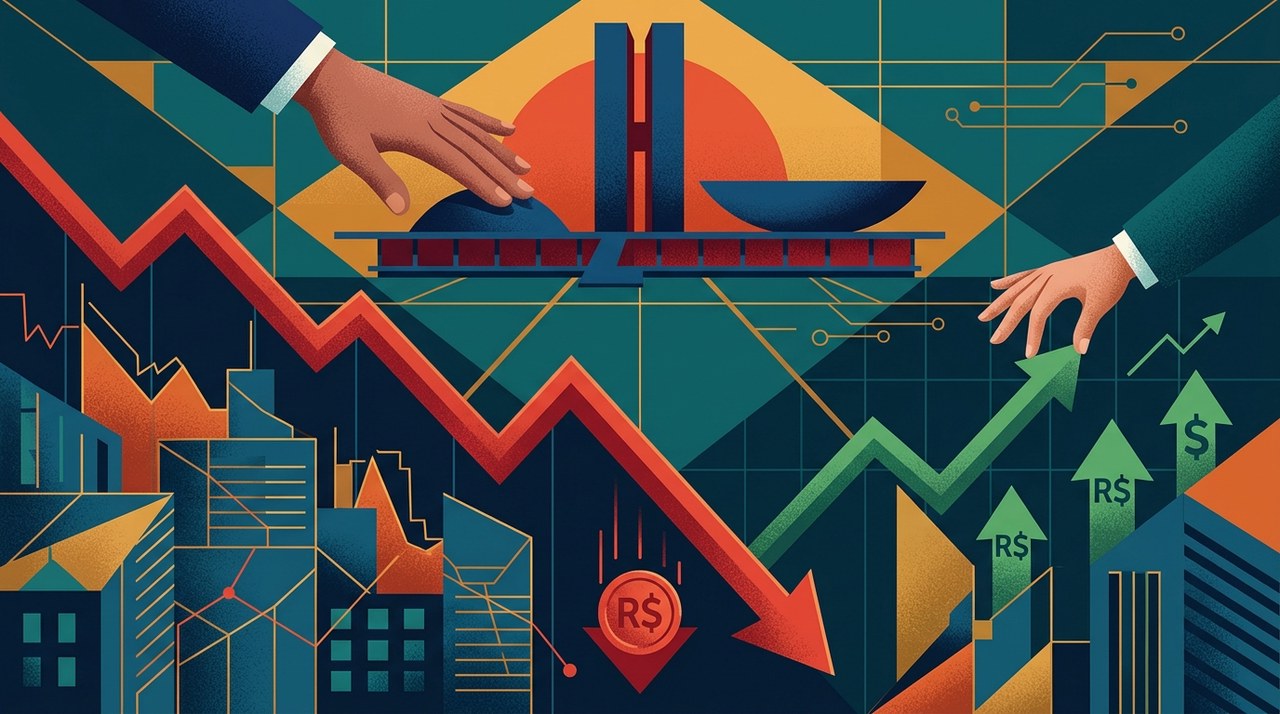
Brazil just wrapped up one of its most closely watched presidential elections in recent history. Incumbent president Luiz Inácio Lula da Silva defeated right-wing candidate Flávio Bolsonaro in a very tight race, securing 51.77% of the total vote.
Following the announcement, financial markets in Latin America's largest economy experienced immediate volatility. Let us break down what happened across local markets, why investors reacted this way, and what could happen next.
Understanding the Initial Market Reaction
Financial markets generally dislike unexpected policy shifts. Leading up to the vote, many market participants had adjusted their portfolios expecting a continuation of liberal economic policies and strict controls on public spending.
When official election results confirmed Lula's victory, market sentiment changed rapidly. Reports highlighted a sharp selloff in local equity markets, with main stock indexes declining while the Brazilian Real lost value against the US Dollar. Market commentary groups like The Kobeissi Letter highlighted significant reductions in market capitalization on election night, reflecting the rapid shift in short-term trader positioning.
Why Investors Are Expressing Caution
To understand why prices dropped, it helps to look at government spending. Investors pay close attention to public budgets to evaluate how responsibly a government manages its debt.
Gabriel Magno, head of investment allocation and partner at AW Capital, explained how market expectations altered immediately after the election results.
With a potential Lula victory, I believe the market will feel it, and feel it hard. All the pricing done after the first round will reverse, which will have a very strong effect on stocks, interest rates and the dollar. The market priced in fiscal improvement, lower interest rates and a country more responsible with its public accounts.
Because many investors feel uncertain about the incoming government's fiscal spending plans, many chose to reduce their exposure to Brazilian assets.
What Happens to Interest Rates and the Currency?
When fiscal confidence shifts, two areas move quickly: interest rates and exchange rates. Analysts expect higher future interest rates and potential currency weakness in the short term.
Josias Bento, an investment specialist and partner at GT Capital, noted that investors often look for diversification outside their domestic market during uncertain policy transitions.
The best risk-return would be investments abroad. If Lula doesn’t have a fiscal plan for the coming years, the dollar could rise sharply and push inflation higher.
Higher interest rate expectations also impact bond investors. When new government debt yields higher interest to attract buyers, existing fixed-rate bonds generally drop in price.
Lucas Xavier, head of the equities desk and partner at AW Capital, noted that fixed-rate and inflation-linked bonds tend to experience downward pressure when future interest rate expectations spike.
Which Sectors Could Show Resilience?
Even during market pullbacks, specific business models tend to handle economic shifts better than others. Market analysts pointed out a few key sectors that may remain stable:
- Exporters earning US Dollars: Companies that sell products globally bring in US Dollars, which translate into higher local currency revenues when the Brazilian Real weakens.
- Industrial and aerospace firms: Global exporters like aircraft manufacturer Embraer and equipment manufacturer WEG benefit from international sales networks.
- Affordable housing developers: Low-income homebuilders like Cury and Direcional receive support from government housing programs such as Minha Casa Minha Vida.
As Lucas Xavier pointed out, exporter operations remain steady regardless of local politics. The financial benefit comes simply from converting stronger US Dollars back into Brazilian Reais.
What Steps Come Next for Markets?
Initial market reactions to major elections do not last forever. How Brazilian assets perform long-term will depend heavily on concrete policy decisions made by the new administration.
Investors will be paying close attention to these key signals over the coming months:
- Finance Minister selection: The candidate chosen to head the finance ministry will offer clear clues about economic direction.
- Credible fiscal plans: Introducing clear rules to manage public debt can help restore investor confidence.
- Managing inflation: Keeping inflation under control is essential to prevent rising living expenses for everyday citizens.
If the new government provides clear economic plans, confidence could rebuild gradually. Until then, investors should remain prepared for ongoing price fluctuations across local stocks and bonds.
Latest blog posts


XRP Whales Hold Highest Supply Concentration Since 2022
Large XRP wallets holding 10 million or more tokens now control nearly 68.5% of tracked supply while futures trading volume outpaces spot trading.
|


Trader Ansem Warns of Bitcoin and Ethereum Pullback Risks
Popular trader Ansem warns Bitcoin and Ethereum could face deeper short-term drops as tech stocks stall and key technical trends break down.
|

Solana Bug Reports Now Cost 1 SOL to Stop AI Spam
Jump Crypto now requires researchers to burn 1 SOL per bug report after AI tools flooded Firedancer security reviews with low-quality submissions.
|