Ledger Details LTE Spy Implants in CryptoBilis Wallets
Major Security Alert: Ledger Uncovers LTE Implants in Hardware Wallets
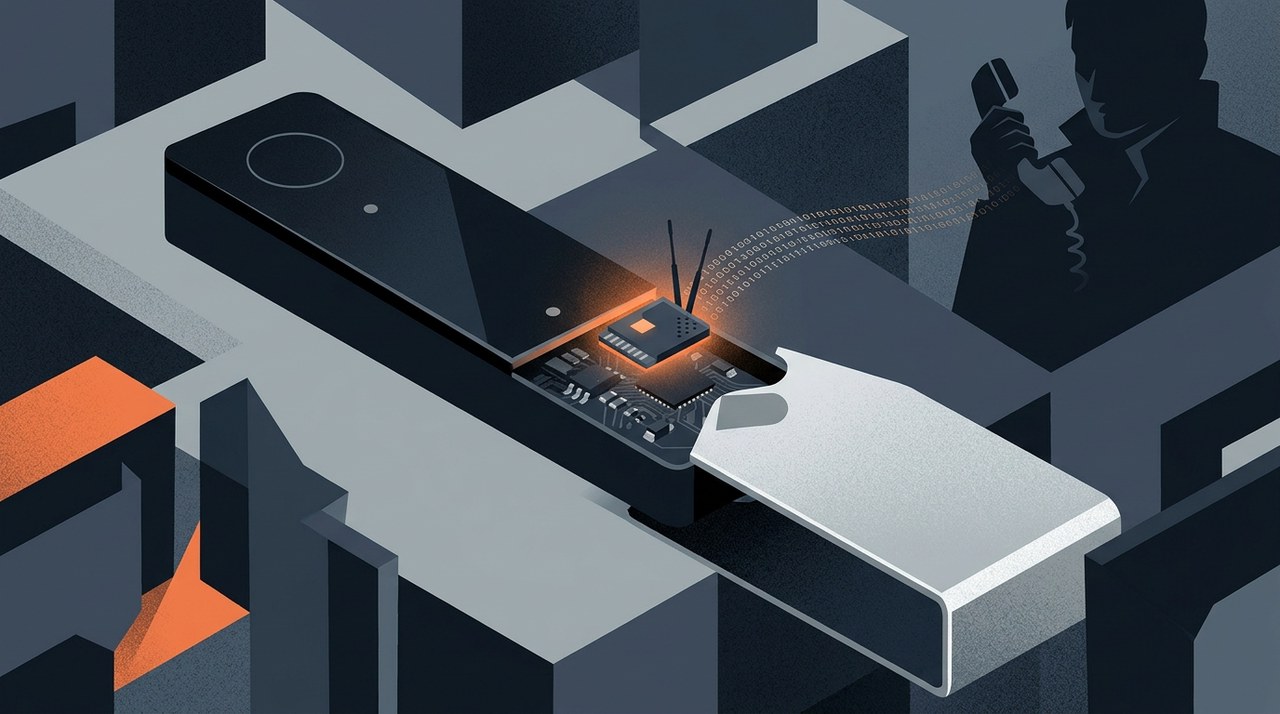
Hardware wallet security faced a significant real-world test recently. Ledger, a well-known hardware wallet manufacturer, published detailed findings regarding physical security breaches in devices distributed by reseller CryptoBilis. According to Ledger's investigation, tampered hardware wallets contained hidden LTE-enabled implants designed to intercept and expose wallet recovery phrases directly to unauthorized third parties.
Following these alarming revelations, CryptoBilis immediately halted all sales of hardware wallets on its platform. In response to the supply chain breach, rival hardware wallet creators Trezor and OneKey also cut all official business ties with the reseller. This incident highlights physical vulnerabilities in third-party distribution channels and underscores the crucial importance of supply chain integrity in cryptocurrency security.
What Are Hardware Wallets and Recovery Phrases?
To understand why this discovery is so serious, it helps to review how hardware wallets keep digital assets safe. A hardware wallet is a dedicated physical device, often looking like a USB drive, built specifically to store private keys offline. Unlike hot wallets on smartphones or desktop computers, cold hardware wallets keep sensitive keys isolated from internet-connected environments where software hackers operate.
When setting up a new hardware wallet, the device generates a secret set of words called a recovery phrase or seed phrase. This phrase is typically 12 to 24 words long. Think of your recovery phrase as the ultimate master key to your digital vault. Anyone who possesses these words can restore your wallet on any compatible device and gain full control over all stored crypto assets.
Normally, because a genuine hardware wallet is isolated from mobile network networks and the open internet, your recovery phrase is never transmitted anywhere. It remains strictly inside the physical secure element chip. However, physical tampering changes the entire equation.
How the LTE Implant Attack Worked
Ledger revealed that attackers physically modified hardware devices before they reached final customers. Malicious actors intercepted hardware wallets somewhere along the distribution supply chain, carefully opened the device casing, and soldered hidden implants equipped with mini LTE cellular modems directly onto the internal circuit board.
Because these physical spy implants had built-in cellular LTE connectivity, they did not rely on your home Wi-Fi network or a connected PC to send data. As soon as a user powered on the device and generated or entered their secret recovery phrase, the rogue internal component recorded the keys and transmitted them silently over mobile networks back to the attacker.
Here is how a supply chain attack like this unfolds:
- Interception: Attackers intercept legitimate hardware wallet shipments before they arrive at the official reseller or customer.
- Hardware Modification: The device casing is opened, and microscopic spy components—including an LTE modem—are added to the circuit board.
- Repackaging: The device is carefully reassembled, sealed in fake packaging, and put back into local distribution inventory.
- Silent Data Theft: When an unsuspecting customer sets up the wallet, the hidden chip records the recovery phrase and broadcasts it over cellular towers.
The Fallout: CryptoBilis Suspends Sales as Industry Partners Withdraw
CryptoBilis, a prominent third-party crypto reseller operating in Southeast Asia, found itself at the center of this security investigation. Many cryptocurrency users turn to authorized local resellers to reduce shipping costs or avoid complex import taxes. However, third-party distribution channels present extra touchpoints where supply chain tampering can happen.
Once Ledger made its technical findings public, CryptoBilis took action by halting all hardware wallet sales across its store. The company faced instant industry scrutiny over how compromised hardware managed to pass through its inventory.
The wider market reaction was swift and clear. Leading hardware wallet producers Trezor and OneKey took decisive action by completely severing their official reseller partnerships with CryptoBilis. Both companies stated that safeguarding user security requires zero compromise across every distribution channel.
Physical Attacks vs. Software Hacks: Why Tampering Is Hard to Spot
Most crypto holders are familiar with software risks like phishing links, fake wallet apps, or malicious browser extensions. While software threats are common, physical supply chain attacks are particularly sneaky because they bypass traditional operating system security checks.
For example, official Ledger devices use a genuine check feature through the Ledger Live desktop application. This process relies on cryptographic signatures to verify that the device's microchip is authentic and running official firmware. However, when a rogue hardware implant operates alongside the genuine chip, it can sniff incoming inputs silently while allowing the main chip to pass official authenticity checks.
This extra level of physical trickery makes hardware implants extremely difficult for average users to detect without physically cracking open and inspecting the internal circuit board.
Essential Tips to Protect Your Crypto Wallets
This event serves as a clear reminder for anyone using cold storage solutions. To minimize risks when acquiring hardware wallets, consider these core safety guidelines:
- Purchase directly from the official manufacturer: Order devices directly from official brand websites whenever possible to minimize middleman handling.
- Inspect packaging carefully: Examine shrink wrap, seal stickers, and physical plastic seams for any signs of opening or glue residue.
- Never use pre-printed recovery phrases: If a wallet comes with a pre-filled list of words inside the box, discard it. Genuine wallets always require you to generate a new phrase yourself during initial setup.
- Run official genuine checks: Always perform built-in software verification checks provided by official companion apps during setup.
- Report unusual device behavior: If a new hardware wallet behaves unexpectedly or requests unusual confirmation steps, stop using it immediately and contact official support.
Looking Ahead: Strengthening Global Crypto Supply Chains
The discovery of LTE-enabled implants marks a sophisticated turn in physical hardware threats. As digital asset adoption continues to expand worldwide, hardware manufacturers and official distributors are expected to introduce stronger tamper-evident seals, stricter channel monitoring, and enhanced cryptographic hardware verification.
Staying educated about supply chain safety helps crypto owners make well-informed decisions when purchasing and setting up hardware storage devices.
Latest blog posts



Bitcoin ETFs See $528M Inflows as Ether Rebounds
Spot Bitcoin ETFs pulled in $528 million on Wednesday led by BlackRock and Fidelity, while Ether funds ended a five-day outflow streak.
|

Starknet Explores Shift to Post-Quantum Layer 1 Network
Starknet's community has backed research into transforming the network into an independent, quantum-resistant Layer 1, with a whitepaper set for November.
|
 +2
Bitcoin Round Trip to $85,000 Burns Crypto Traders
Bitcoin swung to $85,000 before sliding back to $81,800, triggering $431 million in total market liquidations across both sides.
|