


Ledger Clarifies Web Incident Caused by Third-Party Service

Third-Party Security Incident Impacting Hardware Wallet Provider Ledger
Crypto hardware wallet manufacturer Ledger confirmed a security incident connected to Optimizely, a popular third-party service used on its official website. The company quickly reassured users that its hardware devices and private keys were not impacted by the issue.
The incident involved malicious code delivered through a third-party optimization tool. Fortunately, Ledger reported that its core security architecture remained completely intact throughout the event.
What Happened to Optimizely and How Web Code Got Compromised
On November 16, 2026, web optimization platform Optimizely discovered a security breach affecting its Web Experimentation service. This platform is used by hundreds of major companies worldwide to test and improve website features.
Think of third-party JavaScript like hiring an outside contractor to maintain a building's lighting. If the contractor's tools are compromised, the lighting might malfunction even if the building itself has rock-solid walls. That is exactly what happened here.
Because many websites rely on the same external code scripts, a vulnerability in one provider can spread malicious code across multiple major platforms simultaneously without touching the core infrastructure of those websites.
How Ledger Responded to Protect Web Visitors
Ledger acted swiftly once the issue came to light. The company's security team removed the affected script and confirmed that malicious code is no longer being served to visitors on its website.
We are aware of a security incident affecting Optimizely, a third-party service used on our site, alongside numerous other websites. Our team has remediated the issue, and the malicious code is no longer being served through our website. This incident does not affect the security architecture of Ledger devices. Your private keys remain protected by your Ledger device.
Ledger emphasized that offline storage devices keep recovery phrases completely isolated from internet browser scripts. Therefore, hardware devices remained unaffected by the web-based script issue.
The Scope of the Attack: Major Brands Affected Beyond Crypto
Security researcher Scott Helme investigated the breach on November 16, 2026. He found that malicious JavaScript was served to visitors across 178 different organizations in various global industries.
This was not an attack aimed exclusively at cryptocurrency users. It was a broad web supply-chain attack that targeted major mainstream corporations, media outlets, and financial institutions.
Some of the notable websites impacted by the Optimizely script issue included:
- Major technology platforms like Zoom, Salesforce, and GitLab
- Global news outlets including the BBC and CNN
- International financial institutions such as HSBC and Equifax
- Consumer and travel brands including IKEA, Air France-KLM, and Peacock
How the Malicious Script Worked and What It Targeted
The injected script functioned as a multi-purpose malware kit designed to capture sensitive data and hijack financial transactions directly inside browser sessions.
The primary functions of the malicious code included:
- Swapping wallet addresses: Scanning web pages for valid crypto addresses and replacing them with attacker-controlled destination addresses
- Multi-chain targeting: Modifying addresses across Bitcoin (BTCBTC-0.78%), EthereumETH-1.08%, EVM-compatible chains, TRON, SolanaSOL+0.79%, TON, Litecoin (LTC), Bitcoin Cash (BCHBCH+0.83%), and Dogecoin (DOGEDOGE-0.30%)
- Payment card skimming: Attempting to steal credit and debit card details entered into browser web forms
- Data collection: Stealing browser cookies and taking unauthorized screenshots
- Mobile exploitation: Delivering the Coruna and Dark Sword exploit kits aimed at Apple iOS devices like iPhones and iPads
Remediation and Current Status
Optimizely confirmed that it identified and contained the vulnerability within its Web Experimentation platform. The company blocked the unsafe network paths, scrubbed the malicious code, and contacted all affected clients directly.
Cleanup efforts progressed rapidly following detection. Security tracking showed that out of 169 originally identified malicious code snippets, the active count was reduced down to just 1 remaining snippet as cleanup finalized globally.
Key Takeaways for Crypto Users and Web Safety
This incident serves as an important reminder that external dependencies on website platforms can pose unexpected risks. Trusted scripts running on reputable sites can be manipulated if third-party providers suffer a breach.
For crypto users, this event highlights why verifying transaction details directly on a hardware wallet screen is critical. Hardware screens display raw transaction data straight from isolated secure chips, bypass browser-based script tampering, and keep funds safe.
Always double-check recipient wallet addresses character by character on your physical device screen before confirming any transaction. Past performance of digital assets is not an indication of future results, and keeping security practices up to date remains essential in digital asset management.
Latest blog posts
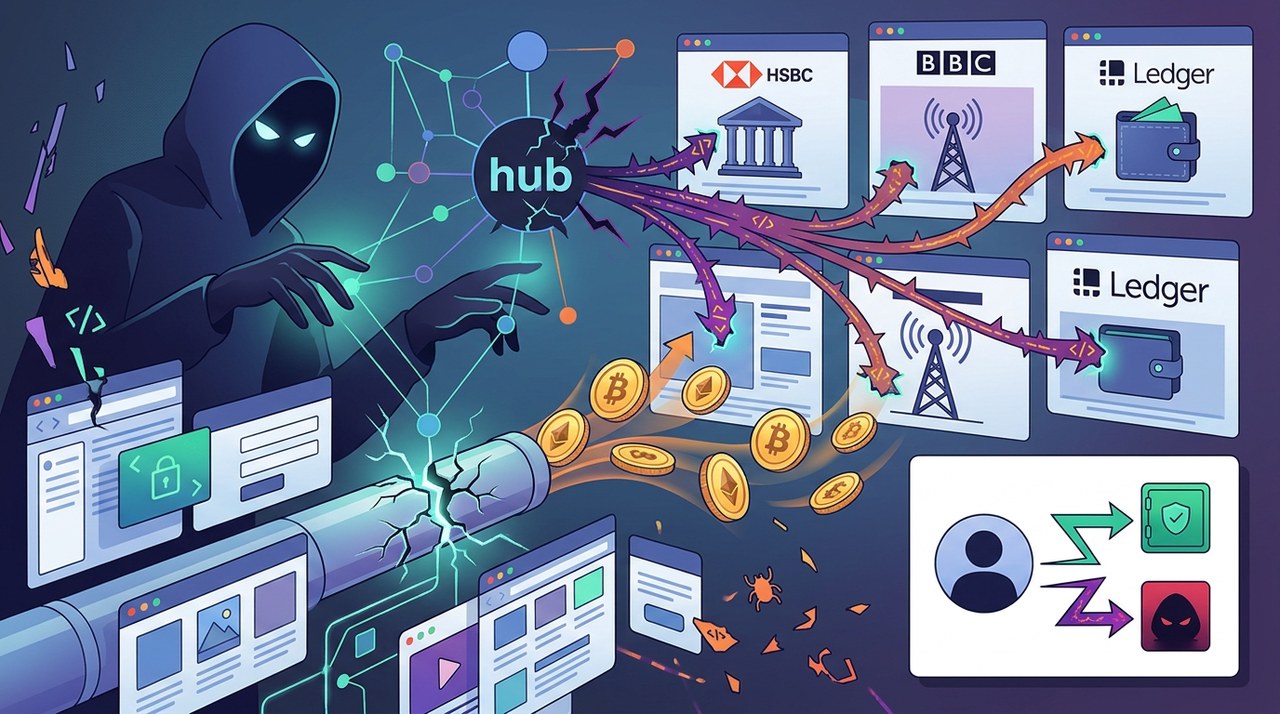

Major Flaw Exposes 178 Websites to Crypto Theft
Hackers used a flaw in Optimizely to place malicious code on 178 websites, including HSBC and Ledger, swapping wallet addresses to steal funds.
|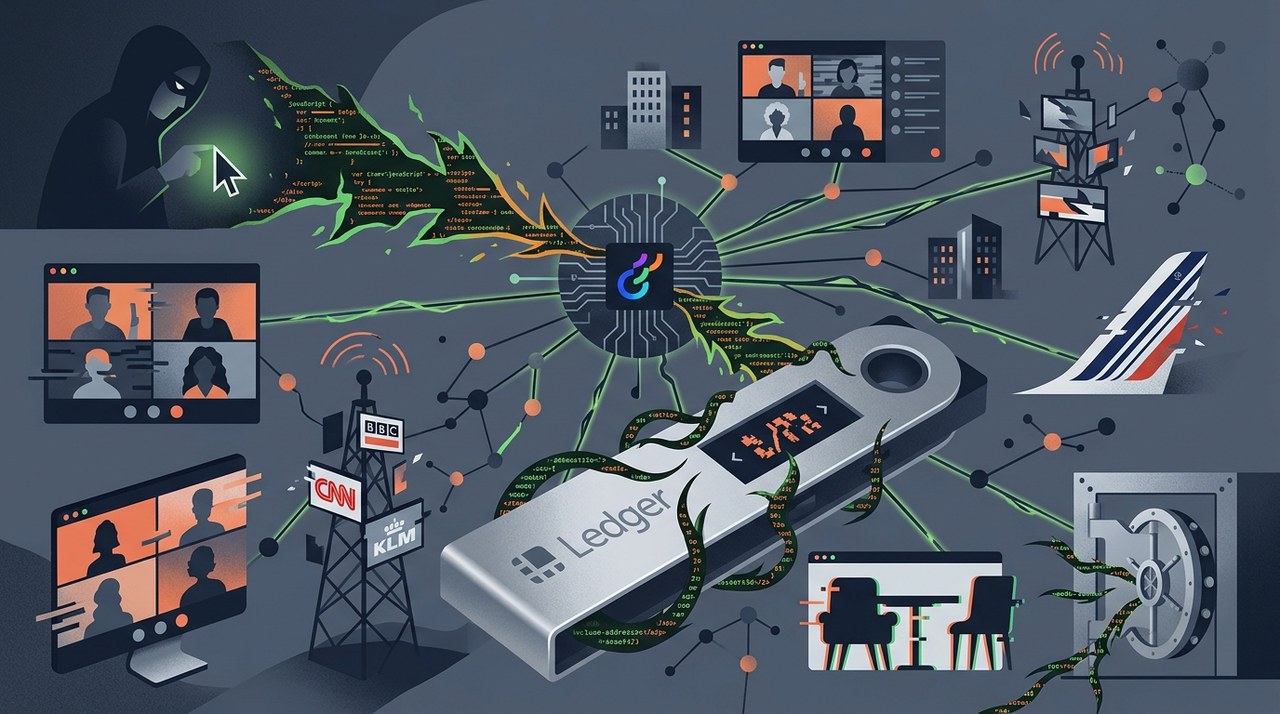
Hackers Target Ledger and 177 Brands in Web Attack
A security breach at web testing platform Optimizely allowed hackers to inject wallet-swapping code across 178 websites, including hardware wallet maker Ledger.

US Judge Clears Brothers in $25M Ethereum MEV Case
A US federal judge has cleared two brothers involved in a $25 million Ethereum MEV exploit after a mistrial, ruling that the transactions did not involve false promises.
|