
Japan's Top Yen Stablecoin Misses First-Year Target
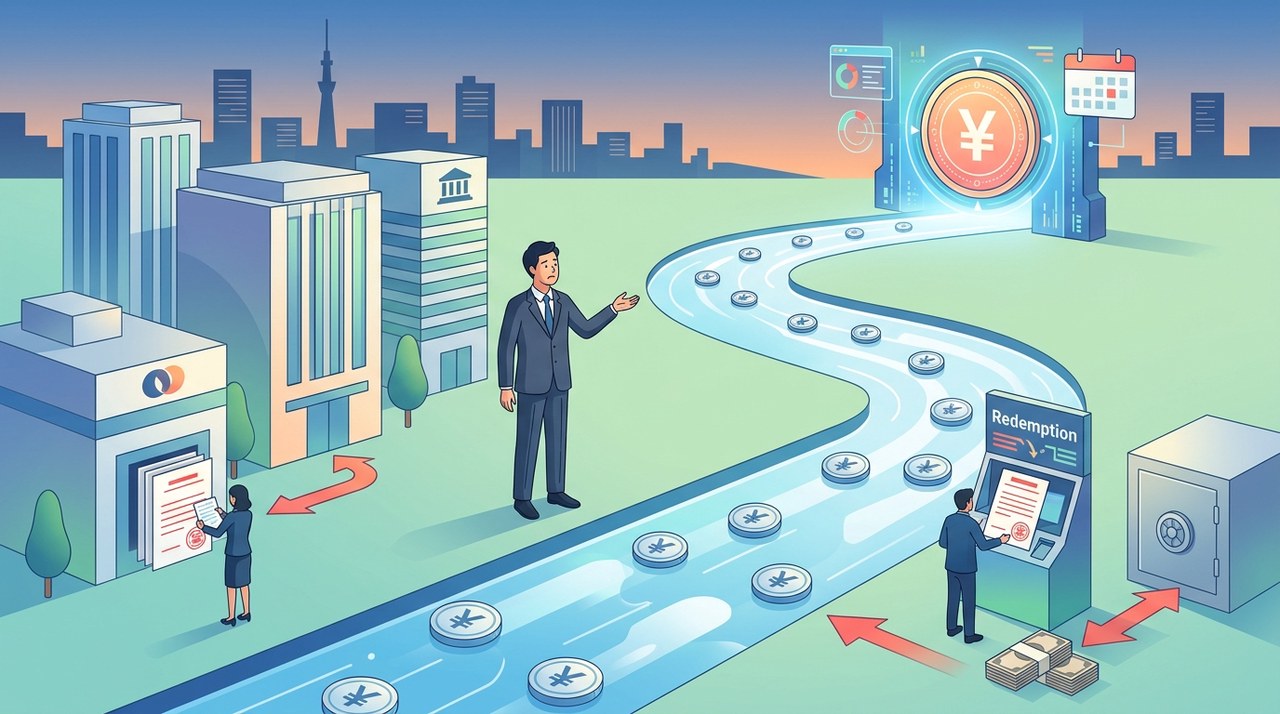
Japan's Leading Yen Stablecoin Wraps Up First Year
Japan's leading yen-linked stablecoin, JPYC, has completed its first full year in operation. However, the initial performance numbers are lower than company executives originally hoped.
Despite securing big partnerships with logistics firms and banks, JPYC reached only about 25% of its circulating supply target. CEO Noritaka Okabe pointed to strict transaction rules as the main obstacle slowing corporate growth.
Breaking Down JPYC's First-Year Numbers
By late October 2026, JPYC had issued a cumulative total of 12.1 billion yen. However, only 3.2 billion yen (around $20 million USD) remained actively in circulation.
Data from crypto analytics platform DeFiLlama showed a similar figure of $20.85 million USD. The gap between total tokens minted and tokens currently in use highlights a key challenge: users frequently redeem JPYC back into traditional cash.
In an interview with NADA NEWS, Okabe admitted that while trading volume was decent, he was disappointed with the small amount remaining in circulation.
The Upbit Listing and Arbitrage Rush
Circulation briefly spiked higher in September 2026 after South Korean exchange Upbit listed JPYC. The listing pushed JPYC's market price slightly above its 1-yen peg.
This price difference created an arbitrage opportunity. Traders quickly minted new JPYC tokens on-chain to sell on the exchange for a profit, temporarily pushing circulation above 4.2 billion yen.
Okabe estimated that around 35 billion yen traded across Upbit and UniswapUNI-0.19% in a single day. However, once traders took their profits, circulating supply fell back to roughly 3 billion yen.
Short-term trading volume can fluctuate rapidly based on exchange listings and arbitrage activity. Past performance of digital assets is no guarantee of future results. Learn more about digital asset markets at bitkub.com/th/market/BTC.
Why Low Supply Hurts the Business Model
A stablecoin's circulating supply directly impacts how much revenue its issuer can earn.
JPYC holds bank deposits and Japanese government bonds (JGBs) to back its token. The company generates income by collecting yield on these reserve assets.
When fewer tokens stay in circulation, the company holds smaller reserves. That leads to lower interest earnings overall.
Strict Caps Slow Down Corporate Adoption
Okabe blamed Japanese financial regulations for slowing institutional adoption, specifically rules for Type II funds-transfer providers.
Initially, JPYC had a daily transaction limit of 1 million yen (around $6,500 USD). In May 2026, JPYC changed this limit to 1 million yen per request, but strict rules still limit rapid repeat transfers.
These caps create headaches for large businesses. For example, software company Asteria plans to hold 1 billion yen in JPYC. Because of the rules, Asteria must buy its tokens in many small payments over time.
Building Strategic Alliances for Year Two
Despite slow initial growth, JPYC continues to sign strategic partnerships with major Japanese organizations:
- AZ-COM Maruwa: The logistics giant signed an alliance in July 2026 to develop payment systems for roughly 2,300 business partners.
- SBJ Bank and LINE NEXT: Agreed in early October 2026 to test bank-linked wallet top-ups in a pilot phase.
Meanwhile, Japan's Financial Services Agency (FSA) is reviewing stablecoin rules, with a clear regulatory framework expected in early 2027.
Looking ahead, Okabe aims to increase JPYC's circulation tenfold in its second year, targeting tens of billions of yen.
Latest blog posts


 +2
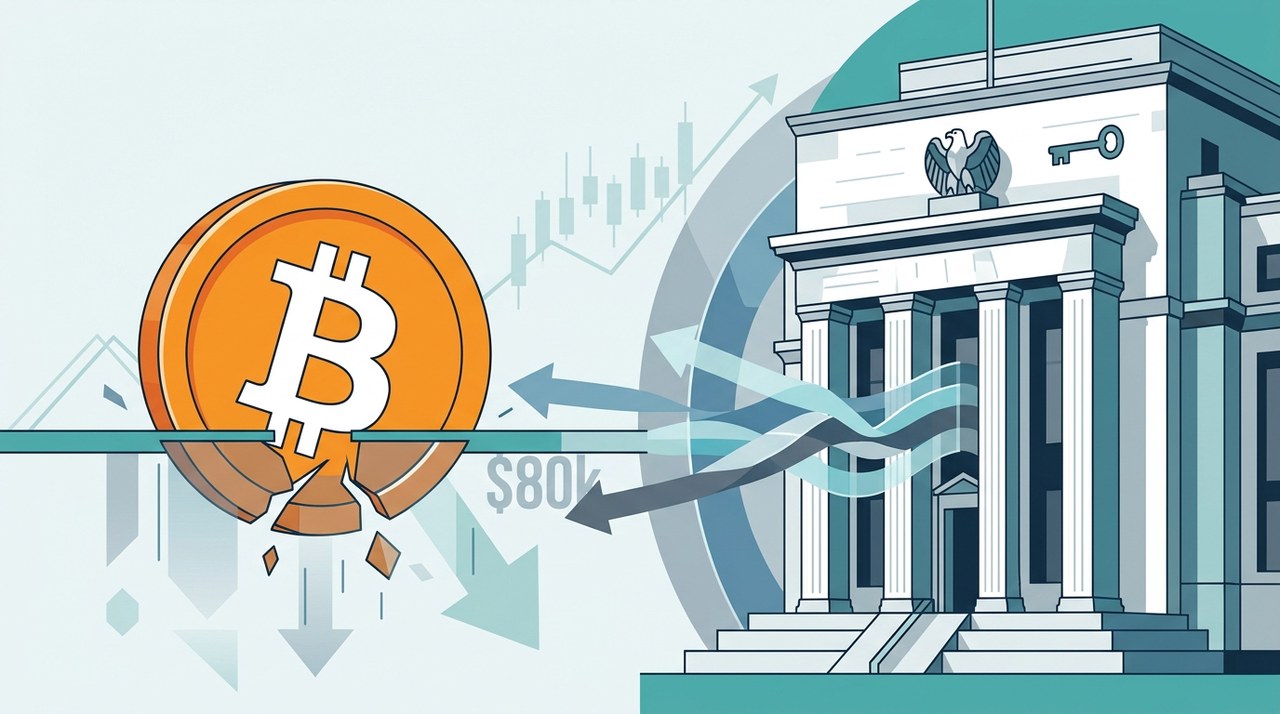
Bitcoin Drops Below $80,000 as Fed Meeting Begins
Bitcoin dipped under $80,000 as the Federal Reserve began its two-day policy meeting, diverging from a tech stock rally in Asia while altcoins saw mixed performance.
|

Bitcoin Holds Below $80K as Venture Capitalists Pivot to AI
Bitcoin stays under $80,000 while venture capitalist Jason Calacanis sparks debate by advising investors to move capital from Bitcoin to AI projects like Bittensor.
|
Visa Stock Q4 Earnings: 3 Key Factors Investors Must Watch
Visa reports its fiscal Q4 2026 earnings on October 27. Here is what investors need to know about payment volumes, operating expenses, and future guidance.