Crypto Rules Move Ahead Despite US Political Delays
What Is Happening with US Crypto Regulations?
If you follow digital asset news, you might have heard about recent political shifts in the United States Congress. When control of legislative bodies changes hands, people often worry that new financial laws might get completely blocked.
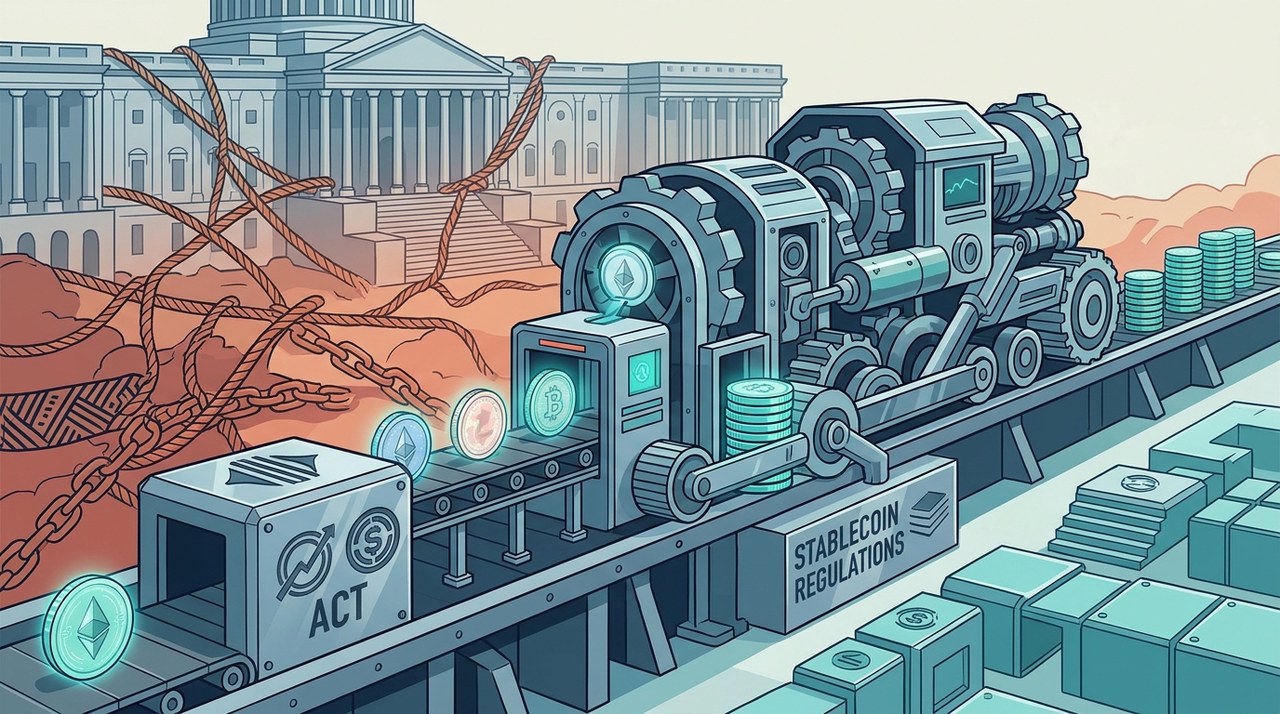
However, market strategist James Thorne shared a fresh perspective in a recent post on X. He explained that while Democrats can slow down certain crypto bills, they cannot reverse the regulatory momentum already built by US agencies.
In simple terms, crypto framework development is moving forward. The core machinery of government oversight is already in motion, regardless of political gridlock in Washington.
Breakthroughs That Are Already Signed into Law
To understand why overall progress continues, it helps to look at the milestones that have already crossed the finish line.
The GENIUS Act Is Officially Law
First, the GENIUS Act is no longer just a proposal sitting on a desk. It has officially been signed into law.
Because it is already enacted, political shifts in Congress cannot easily undo it. It provides a solid foundation for legal standards moving forward.
Stablecoin Regulations Are Being Rolled Out
Second, regulators are actively putting clear stablecoin rules into practice right now.
Stablecoins act like a bridge between traditional cash and digital markets. Having clear guidelines helps protect everyday users while giving financial companies a predictable environment to operate.
Why the CLARITY Act Hit a Speed Bump
While some rules are moving fast, others have run into delays. The CLARITY Act is one notable example.
With political shifts altering committee priorities, new legislative initiatives like the CLARITY Act have stalled. Passing comprehensive law requires significant debate, compromise, and time.
However, a stalled bill does not mean the entire regulatory setup has failed. It simply means new congressional legislation will take longer to make its way through debates.
How the SEC and CFTC Keep Moving Forward
Congress writes broad laws, but federal independent agencies establish operational rules. This is where the SEC and CFTC play a critical role.
- Securities and Exchange Commission (SEC): Focuses on investor protection and securities market integrity.
- Commodity Futures Trading Commission (CFTC): Oversees derivatives and commodities trading rules.
Both agencies are actively developing practical rules for digital assets using their existing authority.
This agency work proceeds even when lawmakers in Congress take longer to agree on new statutes.
What This Means for the Market
Regulatory developments sound technical, but they directly affect market clarity. Clear rules help businesses build compliant products and protect consumers.
As policy details evolve, digital asset markets can experience sudden shifts. Investors should always stay informed, assess risks carefully, and keep a long-term perspective.
Latest blog posts



 +2
Apple and 58 Corporate Giants Block U.S. Stock Tokenization
Apple and 58 major corporations have vetoed a project to trade U.S. stocks on the blockchain, temporarily halting a major Wall Street crypto push.
|

 +1
Credit Mutuel Arkea Hit by $133M Hack Traced to Crypto
French banking group Crédit Mutuel Arkéa confirmed a major cyberattack, with investigators tracing over $133 million in unauthorized funds through crypto platforms.
|
Bitcoin Hits $80.5K as US Stocks Rally on Election News
Bitcoin climbed toward $80,500 as US stocks rallied following midterm election results and falling oil prices eased inflation worries.
|