


Apple and 58 Corporate Giants Block U.S. Stock Tokenization
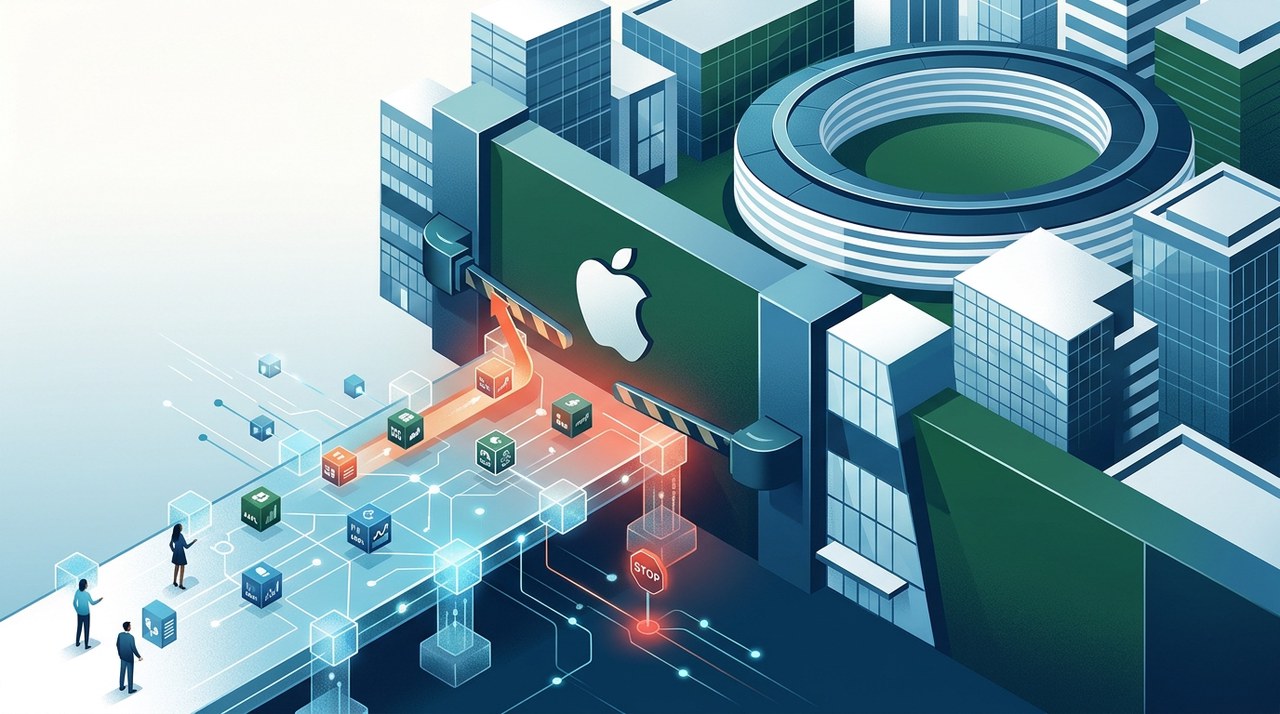
Apple and Wall Street Giants Halt Stock Tokenization
Apple has officially stepped in to pause a major crypto initiative. The tech giant used a regulatory rule to stop its shares from trading as digital tokens.
Apple is not acting alone. A total of 59 corporate heavyweights have now joined the pushback against tokenized stock trading in the United States.
This massive corporate boycott has temporarily frozen one of the largest regulatory experiments bridging traditional finance and blockchain technology.
What Is Stock Tokenization and Why Does It Matter?
Imagine buying a share of your favorite company on a digital blockchain instead of a traditional brokerage account.
That is the core concept of stock tokenization. Tokenized equities represent real-world shares wrapped inside smart contracts on a blockchain.
These digital tokens allow investors to trade financial assets 24 hours a day, 7 days a week.
Traditional stock exchanges operate on fixed schedules. Tokenization removes those time constraints to enable continuous global trading.
The Project at the Center of the Storm: OKXICE TSV
The initiative at the center of this controversy is called OKXICE TSV. It is a joint venture between two major financial institutions.
The project brought together cryptocurrency exchange OKX and Intercontinental Exchange (ICE), the parent company of the New York Stock Exchange.
Their goal was to offer continuous on-chain stock trading. They planned to use automated liquidity pools powered by UniswapUNI+6.01% v4.
These transactions were designed to run on XLayer, a specialized blockchain network built for fast and cheap transfers.
The 59-Company Strike: Who Is Saying No?
By November 2026, opposition to the project surged rapidly. Three high-profile corporate issuers officially added their names to the objection list.
- Apple
- The Home Depot
- GE Vernova
These new additions brought the total count of objecting companies to 59. This group represents a massive share of total U.S. market capitalization.
Six out of the famous Magnificent Seven tech giants have now formally objected to having their shares tokenized on the platform.
- Apple
- Amazon
- Tesla
- Microsoft
- Alphabet
- Nvidia
Meta is currently the only member of the group that was not included on the initial objection list.
Several other prominent corporate and financial leaders have also signed on to block the initiative.
- SpaceX
- JPMorgan Chase
- Goldman Sachs
Three more issuers have objected to OKX and ICE Markets tokenizing their shares, bringing the total to 59.
How Did Issuers Block the Tokenization Push?
The objecting companies used a specific rule created by the U.S. Securities and Exchange Commission (SEC).
Under the SEC's innovation exception rules, stock issuers receive a 30-day veto window.
This right allows corporations to block their securities from being listed on experimental digital trading venues.
Apple and its peers exercised this veto right right before launch, effectively freezing the domestic platform.
Why Are Corporate Giants Fighting Tokenized Equities?
Industry experts point to two major factors driving this strong wave of corporate resistance.
First, major companies are hesitant to lose direct oversight of how their capital and equity are traded.
Second, traditional stock exchanges like Nasdaq reportedly exerted strong behind-the-scenes pressure on corporate issuers.
Legacy exchanges view decentralized, round-the-clock blockchain trading as a potential long-term threat to their market share.
Offshore Markets Tell a Different Story
While domestic stock tokenization is blocked in the United States, international markets are moving ahead quickly.
Global investors outside the U.S. actively trade digital versions of American stocks on international platforms.
By late 2026, global BitcoinBTC+3.87% ownership reached an estimated 4.5% to 6% of the world population.
This adoption helped build deep liquid markets for digital assets in foreign jurisdictions.
International trading venues like Kraken, Bybit, and global branches of OKX offer tokenized U.S. equities to non-U.S. residents.
Popular Offshore Tokenized Equity Products
- AAPLx by Backed Finance: Traded on SolanaSOL+4.00% and EthereumETH+6.42% with 1:1 backing by real shares kept in custody.
- AAPLon by OndoONDO+7.54%: Features automatic dividend reinvestment directly into the digital token balance.
- AAPL by Backpack: Offers direct redemption features for the underlying physical stock.
These international products remain strictly inaccessible to U.S. residents due to local regulatory enforcement.
The Path Ahead for Real-World Asset Tokenization
The battle over stock tokenization shows the challenges of connecting traditional finance with blockchain infrastructure.
Bringing real-world assets on-chain offers new possibilities for efficiency, but regulatory compliance and corporate approval remain essential.
Investors should note that digital asset markets can experience rapid price swings and shifting regulatory environments.
Past performance of digital assets or financial products does not guarantee future results.
Latest blog posts
Crypto Rules Move Ahead Despite US Political Delays
Market strategist James Thorne explains why regulatory progress by the SEC and CFTC continues despite legislative delays in Congress.

 +1
Credit Mutuel Arkea Hit by $133M Hack Traced to Crypto
French banking group Crédit Mutuel Arkéa confirmed a major cyberattack, with investigators tracing over $133 million in unauthorized funds through crypto platforms.
|
Bitcoin Hits $80.5K as US Stocks Rally on Election News
Bitcoin climbed toward $80,500 as US stocks rallied following midterm election results and falling oil prices eased inflation worries.
|