


Crypto Law Update: Ads, Hacks, and Regulations

Welcome to This Week in Crypto Law
Understanding crypto law does not have to be complicated. This roundup brings you the biggest legal stories shaping the digital asset world in mid-November 2026.
Law and Ledger is a regular legal news segment presented by digital asset law firm Kelman Law. This update was written by guest author Michael Handelsman for Kelman PLLC.
As of November 16, 2026, BitcoinBTC-0.18% traded around $64,737 (+0.74%) and EthereumETH+0.47% traded near $1,817 (+1.75%). Please note: Past returns of digital assets do not guarantee future performance.
1. New York Sets Advertising Standards for Licensed Crypto Firms
On November 12, 2026, the New York Department of Financial Services (NYDFS) published strict new advertising guidelines. This guidance applies directly to BitLicense holders and limited-purpose trust companies.
Regulated firms must build and enforce custom marketing rules. These policies must fit the specific size, customer base, and business setup of each business.
Company leadership must stay actively involved. A board or designated board committee must officially review and approve marketing rules once every year.
The NYDFS requires all marketing claims to be backed by solid proof. Regulators called out several problematic promotional practices:
- Promoting no-fee trading while hiding profit spreads or markups.
- Displaying past performance data without listing clear time periods.
- Misrepresenting regulatory licenses or official compliance status.
Disclosures must be prominent and easy to read. Whenever a company highlights financial benefits, it must display risks side-by-side.
Paid endorsements or testimonials must clearly disclose the payment terms and amounts. This applies to all channels, including posts labeled as educational content.
Firms must also establish approval processes, keep records, track fake social media accounts, and supervise third-party promoters. Regulators expect full compliance ready for review by May 12, 2027.
2. US Authorities Recover $1.2 Billion After Binance Hack
On November 12, 2026, the U.S. Department of Justice (DOJ) announced a major enforcement action following a massive exchange hack.
Courts authorized officials to freeze or seize over $1.2 billion in stolen crypto assets connected to Binance.
The original security breach occurred on October 29, 2026, resulting in over $6 billion in stolen virtual assets. Federal investigators linked the attack to North Korean military hackers known as Trader Traitor.
Joint efforts between government agencies and private security firms have frozen more than $2.7 billion so far. While court restraint locks down funds, final asset ownership will be decided through formal forfeiture hearings.
Targeting the Face Stealer CyberCYBER-1.47% Campaign
The DOJ also seized cloud servers linked to Face Stealer, a cyber scam run by North Korean actors.
This attack used compromised video call accounts, webcam footage, deepfake videos, and fake tech support software. It caused over $400 million in crypto losses over 18 months, often targeting open-source software developers.
Security experts recommend several key defenses for crypto businesses:
- Do not rely solely on video calls for identity checks.
- Require secondary verification methods before authorizing access changes or transfers.
- Separate developer permissions from corporate treasury controls.
- Maintain quick-response incident plans to share transaction logs with investigators.
3. Federal Prosecutors Seek Forfeiture of 456,602 USDT
On November 9, 2026, the U.S. Attorney's Office in Massachusetts filed a civil forfeiture lawsuit to recover 456,602 USDT.
Authorities traced these funds directly to online romance and investment schemes, often called pig butchering scams.
Scammers built trust with victims on dating sites and Facebook. They guided victims to fake trading platforms and demanded extra fees or taxes when victims tried to withdraw money.
Investigators traced the stolen funds to two unhosted crypto wallets and seized them. Civil forfeiture allows victims and property owners to file formal claims before assets are finalized.
Victims should preserve all records to support future recovery claims:
- Wallet addresses and transaction hashes.
- Exchange account statements and wire transfers.
- Screenshots of chats, platforms, and fee demands.
- Device logs and account information.
4. UK Stablecoin Perimeter Changes Advance Through Parliament
On November 11, 2026, the UK House of Lords approved the draft Cryptoassets (Miscellaneous Amendments) Regulations 2026.
This draft regulation passed committee reviews in both Houses of Parliament. However, it needs final administrative approval before becoming law.
The proposed rules aim to protect qualifying UK-issued payment stablecoins. They ensure intermediate payment processors are not treated as full crypto dealers.
Additionally, short-term custody during routine payment processing will be excluded from standard crypto safeguarding rules. Issuance, lending, borrowing, and foreign stablecoins remain subject to full regulatory oversight.
Key promotional and dealing amendments are scheduled to take effect on October 25, 2027.
5. Federal Government Expands Prediction-Market Fight to Arkansas
On November 12, 2026, federal officials expanded their lawsuit over prediction market rules into Arkansas.
The U.S. Government and the Commodity Futures Trading Commission (CFTC) filed a joint lawsuit against Arkansas state regulators.
Arkansas officials claim that event contracts on the Kalshi platform amount to illegal state gambling. The state is seeking fines, taxes, and operational bans.
Federal prosecutors argue that Kalshi contracts are regulated financial swaps. They contend that the federal Commodity Exchange Act takes priority over state gambling laws.
This case adds to ongoing legal battles in Utah. Prediction market companies must continue keeping detailed records, as state-level legal risks remain active.
Legal Notice and Disclaimers
This article was written by guest author Michael Handelsman for Kelman Law (Kelman PLLC). It provides general information and does not constitute formal legal advice.
Contacting Kelman Law or reading this article does not create an attorney-client relationship.
Latest blog posts


Cardano Treasury Rejects $5M Bid for Warehouse Copper
Cardano's Constitutional Committee voted down Toto Finance's proposal requesting 22 million ADA from the treasury to buy physical copper.
|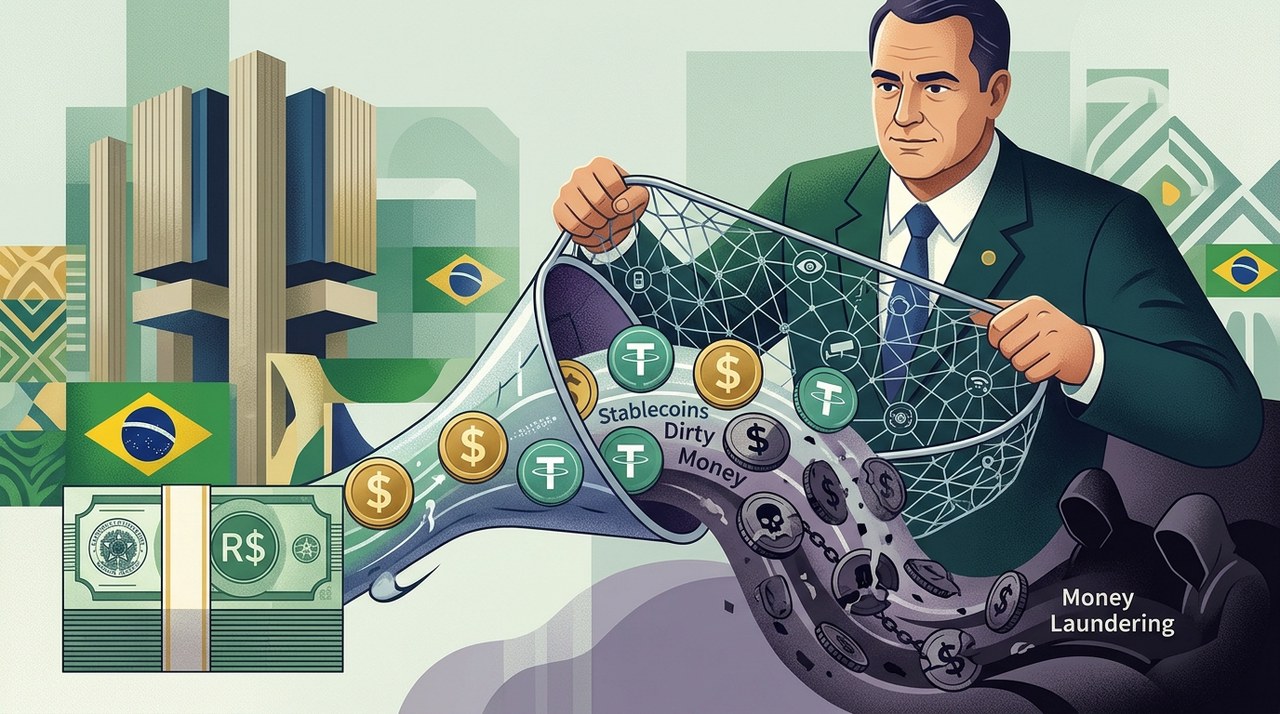


Brazil Official Links Stablecoins to Money Laundering
A Brazilian central bank official sparked intense debate after suggesting that legally earned funds could be treated as dirtied money when converted into stablecoins.
|

Aster Token Drops 32% as CEO Suspects Foul Play
Aster's native token fell 32% in minutes following high-leverage liquidations. The CEO suspects foul play, though the exchange remained operational.
|