Crypto Firms and CFTC Team Up on Perpetual Futures Rules

An Unexpected Partnership in Crypto Regulation
In the world of cryptocurrency regulation, legal battles usually feature regulatory bodies on one side and crypto companies on the other. However, a fascinating shift has occurred recently in the United States legal system.
Crypto firms have found themselves standing side-by-side with the U.S. Commodity Futures Trading Commission (CFTC) on two separate occasions. Both parties share the exact same legal position on a key financial product: perpetual futures contracts are not legal swaps.
This unexpected alignment marks a rare moment of agreement between the industry and federal regulators. To understand why this alliance matters, we need to take a closer look at how these financial instruments work.
What Are Perpetual Futures Contracts?
Perpetual futures, often called perps in the crypto market, are a specialized financial derivative. They allow traders to speculate on the future price of a digital asset without actually holding the underlying asset itself.
Traditional futures contracts always come with an expiration date. When that date arrives, the contract settles, and the trade officially closes. Traders must either take delivery or roll their contracts over to a later date.
Perpetual futures do away with expiration dates entirely. A trader can hold a perpetual futures position for as long as they want, provided they maintain sufficient margin in their account.
How Do Perps Keep Their Price in Line?
Because perpetual contracts never expire, they need a special mechanism to ensure their prices stay closely tied to the underlying spot market price. This mechanism is known as the funding rate.
The funding rate creates periodic payments directly between traders holding long positions and traders holding short positions. These payments balance supply and demand on the trading platform.
- When perpetual contract prices are higher than the spot price, long position holders pay short position holders.
- When perpetual contract prices fall below the spot price, short position holders pay long position holders.
- These automatic payments encourage traders to bring the derivative price back into balance with the real-time spot market.
Understanding the Legal Definition of a Swap
To understand the court battles, we must look at how United States financial law defines a swap. The formal legal framework for swaps was established largely under the Dodd-Frank Wall Street Reform and Consumer Protection Act of 2010.
Under U.S. law, a swap is a derivative contract where two parties exchange financial cash flows or liabilities based on underlying assets over a specified period. Common examples include interest rate swaps and foreign exchange swaps.
Financial swaps carry strict regulatory obligations. Platforms that offer swaps to retail investors must comply with intensive registration, recordkeeping, reporting, and clearing requirements overseen by regulators.
Why Labeling Perps as Swaps Causes Major Legal Problems
If a court classifies perpetual futures as swaps, any crypto exchange offering perps to U.S. traders without a registered Designated Contract Market (DCM) or Swap Execution Facility (SEF) license would be violating federal law.
For crypto companies, such a classification could trigger massive regulatory penalties, mandatory platform restructurings, or complete shutdowns of perpetual trading services for American users.
For the CFTC, maintaining clear distinctions between futures contracts and swap contracts is essential for preserving the legal boundaries established by Congress in the Commodity Exchange Act (CEA).
Inside the Two Legal Battles
In two distinct legal proceedings involving crypto trading activities, litigating parties raised arguments regarding the true legal classification of perpetual contracts. In both cases, the CFTC and crypto defendants maintained that perps fall under commodity futures rules rather than swap regulations.
The core argument centers on the structure of the financial instrument itself. Unlike customized bilateral swap agreements, perpetual futures are standardized contracts executed on centralized order books and settled continuously.
Twice now, crypto firms have found themselves on the side of the U.S. Commodity Futures Trading Commission in holding that perpetual futures aren't swaps.
By agreeing that perpetual futures are not swaps, both the regulator and the industry are striving to establish a predictable regulatory standard. This consensus helps avoid conflicting legal definitions across federal court jurisdictions.
What This Means for the Crypto Industry and Traders
This shared legal position carries significant implications for the broader digital asset market, institutional participants, and retail traders alike.
- Regulatory Clarity: Defining perps clearly helps exchanges build compliant products under futures market regulations.
- Jurisdictional Limits: It reinforces the CFTC's role as the primary regulator for commodity derivatives, rather than creating overlapping regulatory confusion.
- Market Structure: Standardized futures frameworks allow exchanges to maintain order books without managing complex swap execution mandates.
While this legal alignment is a positive step toward regulatory clarity, traders must remember that perpetual futures involve complex financial mechanisms and leverage.
Understanding Risk in Derivatives Trading
Trading perpetual futures involves financial risk, particularly when using leverage. Leverage amplifies both gains and losses, meaning small market movements can lead to rapid account liquidations.
Investors should carefully evaluate their risk tolerance before interacting with derivative products or complex crypto financial instruments. Market volatility can impact asset valuations quickly.
Past performance of digital assets or trading strategies is not an indication of future results. Historical market behavior does not guarantee similar future outcomes. Traders can review current spot market updates at bitkub.com/th/market/BTC.
Looking Ahead: The Future of Crypto Regulation
The ongoing legal discussions around perpetual futures demonstrate that crypto regulation is evolving through direct court interpretation and regulatory precedent.
As the U.S. judicial system continues to address these cases, clear rules may eventually emerge. When regulators and industry leaders agree on legal definitions, it creates a more transparent environment for everyone involved.
Latest blog posts


Bitcoin Drops Below $73K Ahead of Anthropic's Tech IPO
Bitcoin recently dipped below $73,000 as AI giant Anthropic prepares to list on Nasdaq. We explore whether mega-IPOs pull liquidity from crypto markets.
|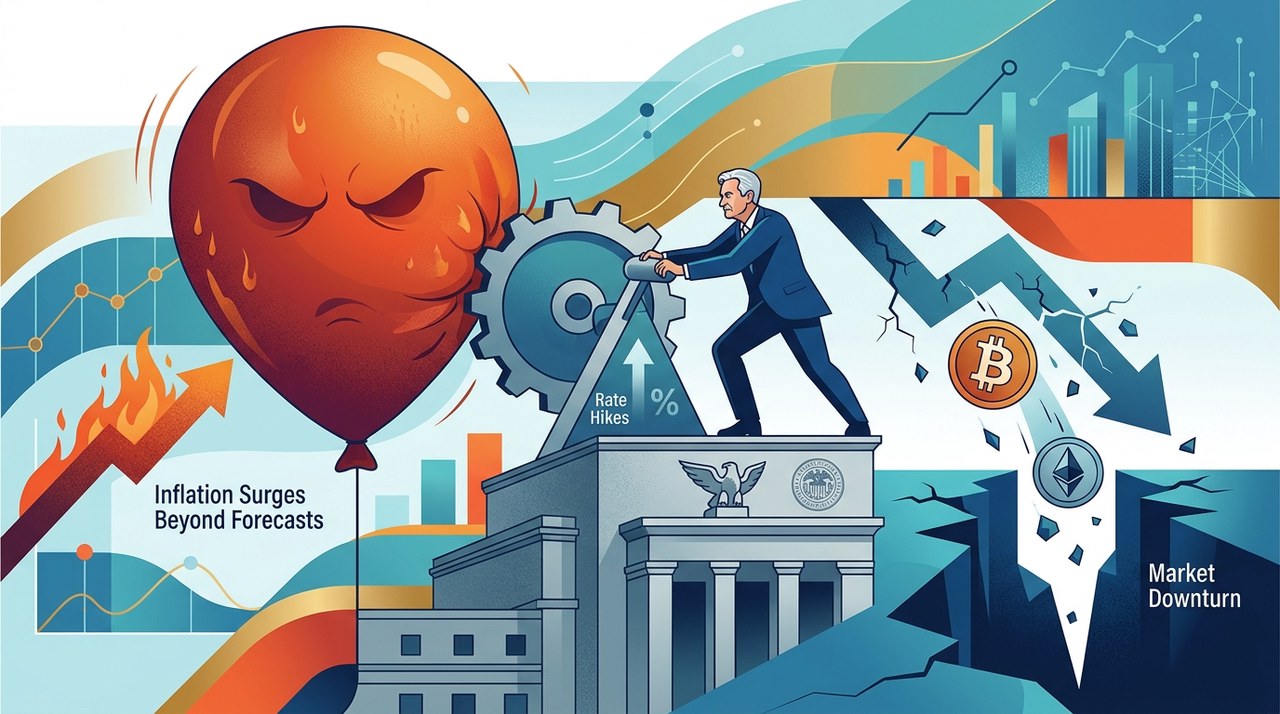

US Inflation Surges Beyond Forecasts as Fed Hike Risks Rise
Higher-than-expected October inflation numbers in the US have raised expectations of a half-point Fed rate hike in December, creating potential short-term headwinds for crypto markets.
|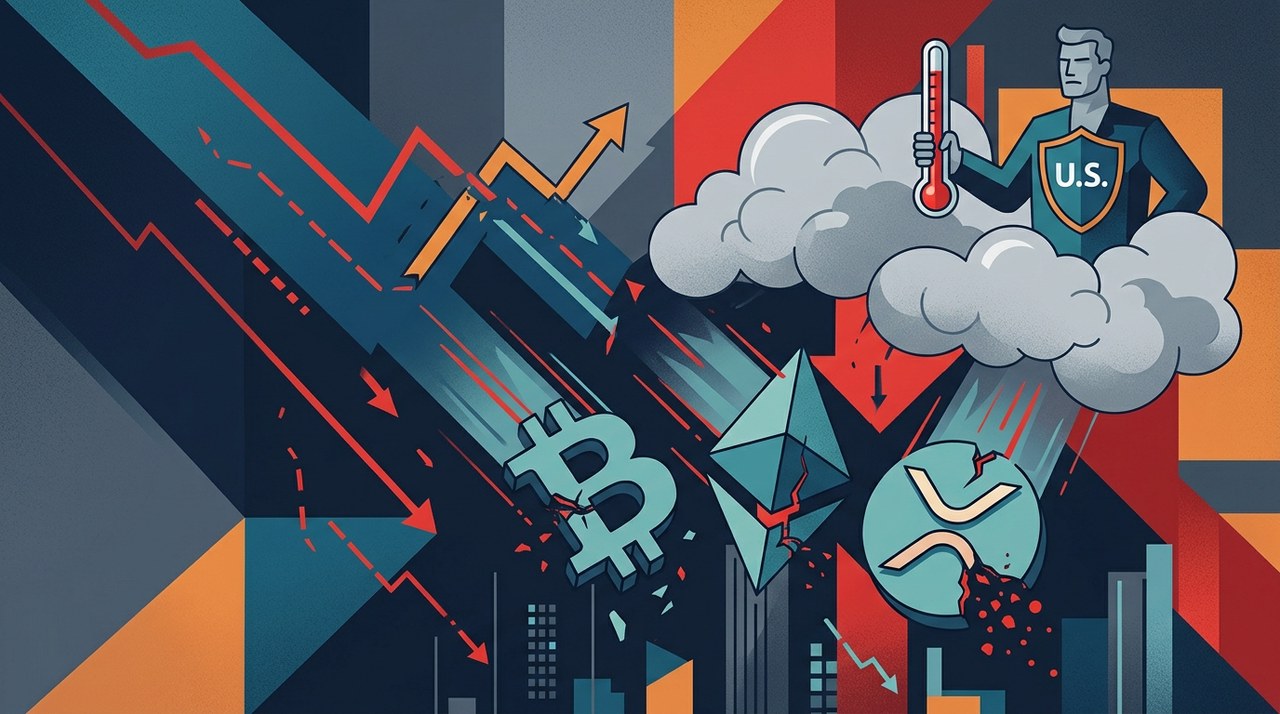

Why Bitcoin, Ethereum, and XRP Are Falling Today
A hotter-than-expected US inflation report sparked fears of Federal Reserve rate hikes, driving Bitcoin below $73,000 and pulling down ETH and XRP.
|