Crypto Crisis Playbook: How Brands Must Act When Hacks Hit
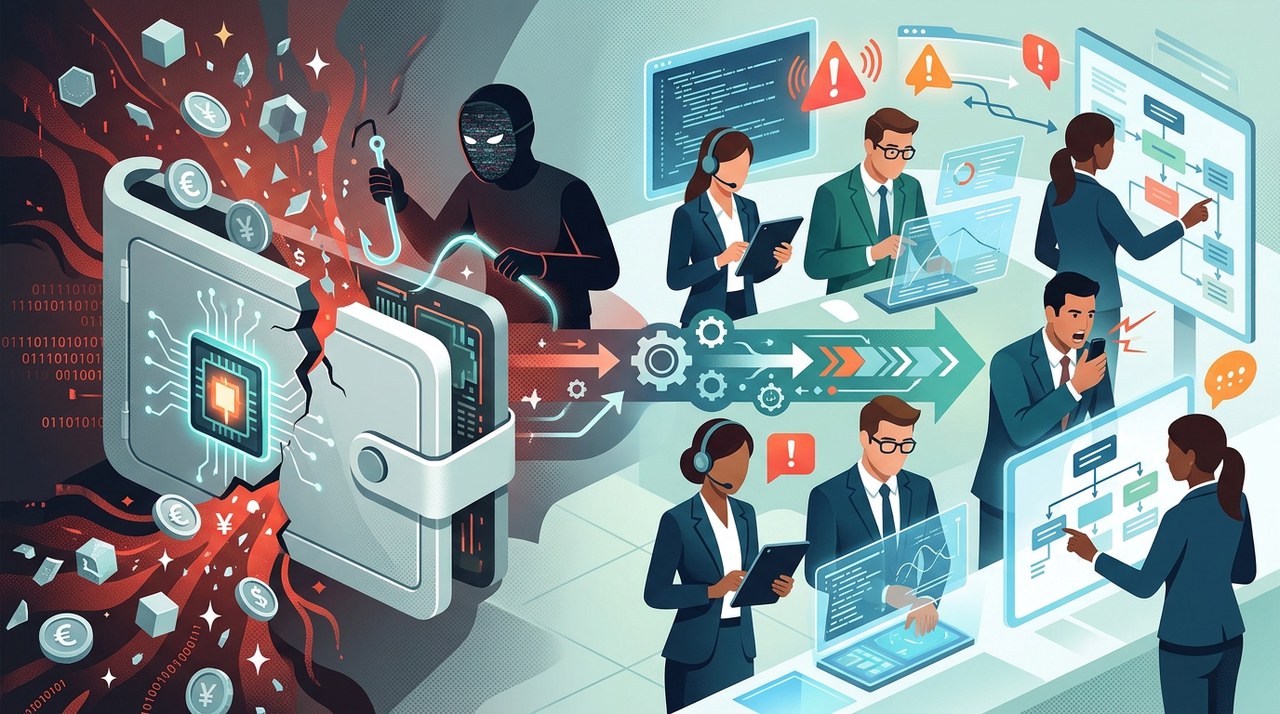
When Disaster Strikes: Managing a Web3 Brand Crisis
Imagine waking up to news that your product has been compromised. In the fast-moving world of Web3 and cryptocurrency, news travels at lightspeed. Bad news travels even faster.
When a security incident hits a crypto brand, the first few hours determine everything. A delayed response allows rumors, phishing scams, and competitors to fill the void. To help Web3 projects prepare, digital marketing agency ICODA published a study titled Anatomy of a Crisis: How the Ledger Story Spread on October 16.
The research breaks down an incident step by step. It offers an hour-by-hour roadmap for how crypto companies should communicate across social media, search engines, and AI platforms during an emergency.
The Backstory: What Happened in the Ledger Incident?
To understand ICODA's recommendations, we need to look at the event that inspired the research: the Crypto Bilis drain.
On October 9, reports began surfacing that users were losing funds from their hardware wallets. Criminals had tampered with genuine Ledger devices sold through an authorized Southeast Asian reseller called Crypto Bilis.
The attackers modified the hardware inside the devices with a physical implant designed to capture seed recovery phrases. Ledger confirmed the supply chain compromise on October 10.
According to blockchain analytics firm Bitquery, approximately $102 million was stolen across 324 individual wallets. Ledger itself has not officially confirmed a total loss amount.
Ledger issued its initial public statement 8.5 hours after the first wallet drain and five hours after the first victim posted on Reddit. While that statement set the media agenda across 15 languages, external voices controlled the narrative for the following six days.
Phase 1: Three Things Brands Must Do Before a Crisis Hits
You cannot build a flood barrier while the water is already rising. Preparation before an incident happens is crucial for every Web3 company.
ICODA outlines three essential preparations brands should make immediately:
- Prepare technical controls for resellers: Build the capability to remove an compromised partner or reseller listing from your website within one hour. Keep pre-translated incident page templates ready in your primary markets' languages using a clear format highlighting what is confirmed and what is not confirmed.
- Monitor search and AI results: Check what currently ranks on Google for search terms like '[brand] hack', '[brand] scam', and '[brand] safe'. Test AI tools like ChatGPT, Perplexity, and Gemini by asking 'Is [brand] safe?' and review every source link they cite.
- Establish clear team roles: Assign specific team members who can post from official handles when customer support is overwhelmed, identify who has the power to pause scheduled marketing posts, and designate legal and security leads who approve official statements.
Phase 2: The First Hours — Publishing a Holding Statement
When a security drain occurs, team members must actively monitor Reddit, X (formerly Twitter), and on-chain security trackers for clusters of user complaints.
As soon as basic details are verified, publish a concise holding statement on official social channels. This post should cover what is currently known, actions customers should take immediately, and when the next update will occur. Name specific partners involved only after verifying their role.
In Ledger's case, their statement posted by @Ledger_Support identified the affected reseller, paused device sales, and instructed buyers not to set up newly acquired devices. That single post accumulated 4.7 million views by October 16, becoming the most viewed post regarding the incident.
Phase 3: Hours 1 to 24 — Website Setup and Localized Support
Within the first 24 hours, a company should publish a dedicated incident web page in English alongside the primary languages of affected regions.
Clear instructions are essential to protect users. For instance, Ledger advised affected buyers to transfer their crypto assets to a clean device generated with a brand-new seed phrase.
Brands must also warn users about copycat scams. On October 10, 7 out of 8 US organic search results for 'ledger live' pointed to malicious lookalike websites attempting to phish user credentials.
ICODA noted gaps in coverage during the incident:
- Ledger's official response web page appeared six days after the initial drain, published in English only.
- Although the involved reseller was based in Malaysia, only 2 out of 1,018 articles in ICODA's Google News sample were written in Malay.
In addition to website updates, opening an official pinned thread on Reddit with moderator approval is crucial. This thread should contain a chronological timeline, confirmed facts, unconfirmed items, and clear answers to top user questions.
Reddit is one of the strongest layers of trust a crypto brand has. You have to go into the platform and take the initiative there, for example with an official thread that holds the timeline and answers people's questions.
This insight was shared by Anastasia Marmuzevich, Online Reputation & PR Manager at ICODA. A community Reddit thread quickly became the top Google search result for 'ledger hack'.
Phase 4: Days 2 to 7 — Managing AI Engines and External Claims
During the days following a crisis, viral posts on social media can spread accurate information as well as unverified claims. In ICODA's sample, three third-party posts gathered 7 million views by October 16, with two of those posts containing unconfirmed assertions.
Brands should reply directly below viral posts with simple one-line statuses: confirmed, under investigation, or not confirmed.
Speed matters across retail updates too. Major retailer Media Markt Saturn pulled products across all operating countries. However, Ledger's public update came 23 hours after a buyer initially called for a product recall online. That buyer post got 193,000 views and received an X Community Note because a physical store was still selling devices during the lag.
Companies must also update the specific website pages that AI search engines reference. When testing ChatGPT through its API, the model reported that buying at Media Markt was 'generally safe' because it pulled data from Ledger's authorized reseller list, which still listed the retailer as authorized three days after store shelves were cleared.
Finally, teams must ensure their official incident page ranks high in search results. In US search results on October 16, a day after publication, Ledger's response page ranked for neither 'ledger hack' nor 'ledger safe'. Instead, a sponsored ad from competitor Tangem sat at the top position for both terms.
Behind the Research: ICODA's Study Methodology
ICODA compiled its crisis-response insights by analyzing multiple data sources collected on October 16:
- Social data from X (formerly Twitter) and Reddit threads.
- Search trend metrics from Google Trends.
- A sample set of 1,018 news articles covering the incident.
- Organic Google search engine results sampled across six countries.
- Testing 40 AI-generated answers using API models connected to live web search.
About ICODA
ICODA is a global marketing agency providing digital marketing, public relations, and growth strategies tailored for Web3, DeFi, GameFi, iGaming, and cryptocurrency exchanges.
Their suite of services includes Crypto PR, influencer and key opinion leader (KOL) campaigns, community management, token sale execution, and specialized search engine optimization focused on AI Overviews (GEO and AI SEO).
Latest blog posts

XRP Price Today: Breakout or Breakdown After 10 Weeks?
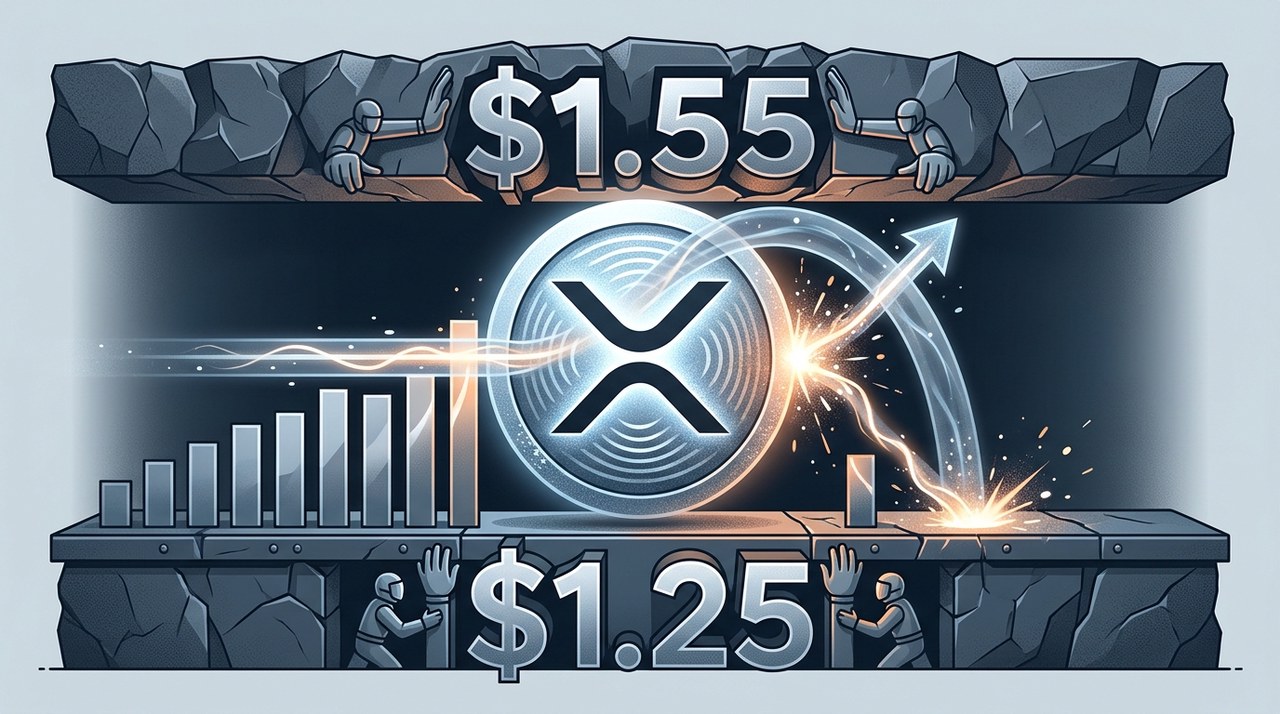
XRP has spent 10 straight weeks trading inside a tight channel between $1.25 and $1.55. Here is a clear breakdown of where price action might head next.
|
Jio IPO Hits Record 1 Crore Applications in Historic Rush
Jio Platforms made Indian stock market history by drawing over 1 crore applications for its ₹30,213 crore IPO on its final bidding day.
Why Did Copper Fall After a Shortage Warning?
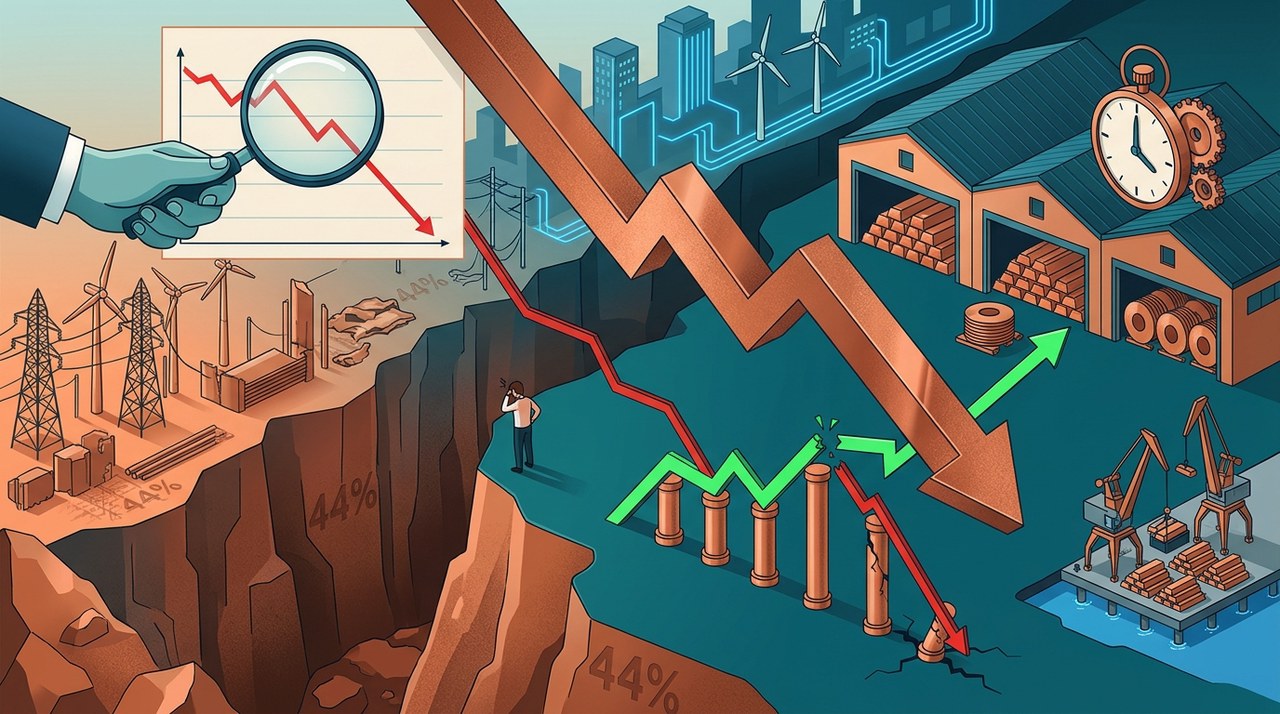
Copper dropped 2.68% despite long-term supply warnings, as traders focused on short-term market surpluses and rising inventories.