
Bitcoin Hashrate Hits 1 ZH/s Despite Big AI Pivot

BitcoinBTC-0.30% Network Bounces Back to Record Computing Power
Something fascinating is happening in the world of Bitcoin mining. Over the past week, the Bitcoin network's seven-day average hashrate climbed back up to 1 zettahash per second (1 ZH/s), which is equal to 1,000 exahashes per second (EH/s). This marks the network's highest computing level since March 3.
What makes this rebound surprising is the timing. Major public mining companies have been actively unplugging their Bitcoin rigs to make space for artificial intelligence (AI) workloads. Yet, despite big players stepping away, the network is stronger than ever. For reference, Bitcoin traded around $80,491 recently. Please remember that past performance of digital assets is no guarantee of future results. You can monitor live prices on Bitkub Market.
Mining Difficulty Is Rising Fast
When more computing power joins the network, Bitcoin automatically adjusts its mining difficulty to keep block creation steady at roughly ten minutes. On October 16, mining difficulty jumped by 5.92%. Block production speeds suggest another estimated increase of 5.16% in about seven days.
If that trend holds, the network will experience two substantial difficulty increases in a row. Miners who expected less competition after the big AI migration are finding that competition is returning quickly.
The AI Pivot: Spending Billions to Switch Tracks
Why did public miners start leaving Bitcoin in the first place? High-performance computing (HPC) and AI hosting have become extremely lucrative. Recent industry reports showed a 52% quarterly increase in directly reported HPC and AI revenue among public miners.
Converting a Bitcoin facility to an AI data center is a permanent change. The hardware displaced by this shift represents roughly $1.5 billion, assuming a machine purchase price of $20 per terahash. Once power contracts are committed to AI clients and facilities are rebuilt, those machines do not simply turn back on when mining becomes more profitable.
Where Is the New Hashrate Coming From?
If giant public facilities are leaving Bitcoin, how is total network power still growing? Industry data points to two main drivers: expanding hybrid companies and small-to-medium operators picking up discounted equipment.
1. Major Players Expansion: The Bitdeer Example
Some large firms are managing to grow their mining operations while exploring AI at the same time. Bitdeer (NASDAQ: BTDR) is a primary example of this balanced approach.
- Self-Mining Growth: Bitdeer reached 82.3 EH/s in September, up from 79.9 EH/s in August and 35 EH/s a year earlier.
- Co-Mining Growth: Its hosting business grew to 28.7 EH/s from 21.6 EH/s.
- Combined Addition: Bitdeer added a net 9.5 EH/s in just one month.
2. The Rise of Smaller Operators and Resale Rigs
When a public miner exits Bitcoin, its machines do not vanish. Small and medium-sized operators are buying up pre-owned hardware at discounted prices and moving them to regions with lower electricity rates.
For example, hosting providers like Sazmining are listing pre-owned Antminer S21 XP units for hosting in places like Paraguay and Texas. These secondary sales give older or surplus equipment a second life in retail hands.
3. Hardware Supply Chain Shifts
We are also seeing dramatic shifts in hardware deals. During the second quarter, Core Scientific (NASDAQ: CORZ) terminated an equipment agreement with Block and Proto Global, taking a $41.9 million loss as it moved toward high-density AI hosting. That deal covered chips representing 15 EH/s.
Shortly after, individual buyers gained access to Proto immersion hashboards through hosting services like Sazmining for deployment in the US. While not explicitly confirmed as the exact same inventory, the timing highlights how high-end gear is migrating from corporate balance sheets to retail operations.
A Flip of the 2021 Mining Arms Race
The corporate giants that once crowded out smaller buyers are stepping aside for AI, allowing equipment to flow back into smaller, decentralized hands.
Back in 2021, massive public mining companies bought up all available hardware, pricing out smaller players. Today, the dynamic has reversed. As big corporations pivot toward AI infrastructure, discounted mining hardware is finding its way to decentralized, smaller-scale operators.
This redistribution keeps the overall network resilient. While difficulty increases mean tougher competition for individual miners, the Bitcoin network as a whole continues to demonstrate remarkable stability and strength.
Latest blog posts


ETF Investors Pour Millions Back Into Zcash as Bitcoin Falls
Institutional investors poured $41.1 million into Zcash ETFs last week, signaling renewed interest while Bitcoin and Ethereum funds faced heavy liquidations.
|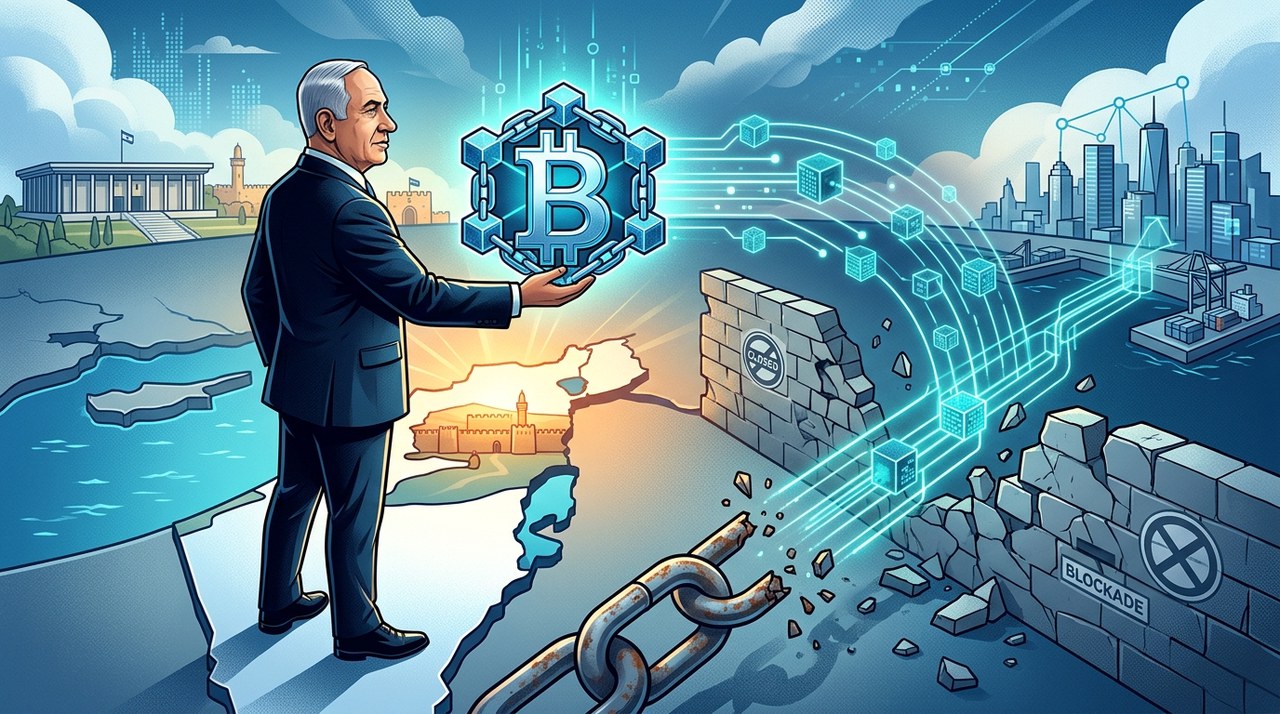
Netanyahu Proposes Crypto to Bypass Potential Sanctions
Israeli Prime Minister Benjamin Netanyahu suggested using blockchain technology to shield the country from potential sanctions, drawing pushback from central bankers and political rivals.

 +1
Javier Milei Slams Press After Winning Libra Crypto Case
Argentine President Javier Milei was cleared of all charges in the controversial Libra token fraud case and is now demanding legal compensation.
|