Bank of Japan Warns of Tokenization and Stablecoin Risks
A Warning From Tokyo: Why Central Banks Are Watching Crypto Tech
On November 27, 2026, Kazushige Kamiyama, Executive Director at the Bank of Japan, delivered a keynote speech at an International Monetary Fund seminar in Tokyo. During his address, he shared key warnings regarding smart contracts, tokenization, and stablecoins.
While financial institutions around the world are exploring blockchain technology to speed up payments, Japan's central bank highlighted that automated systems can introduce unexpected systemic risks if not managed carefully.
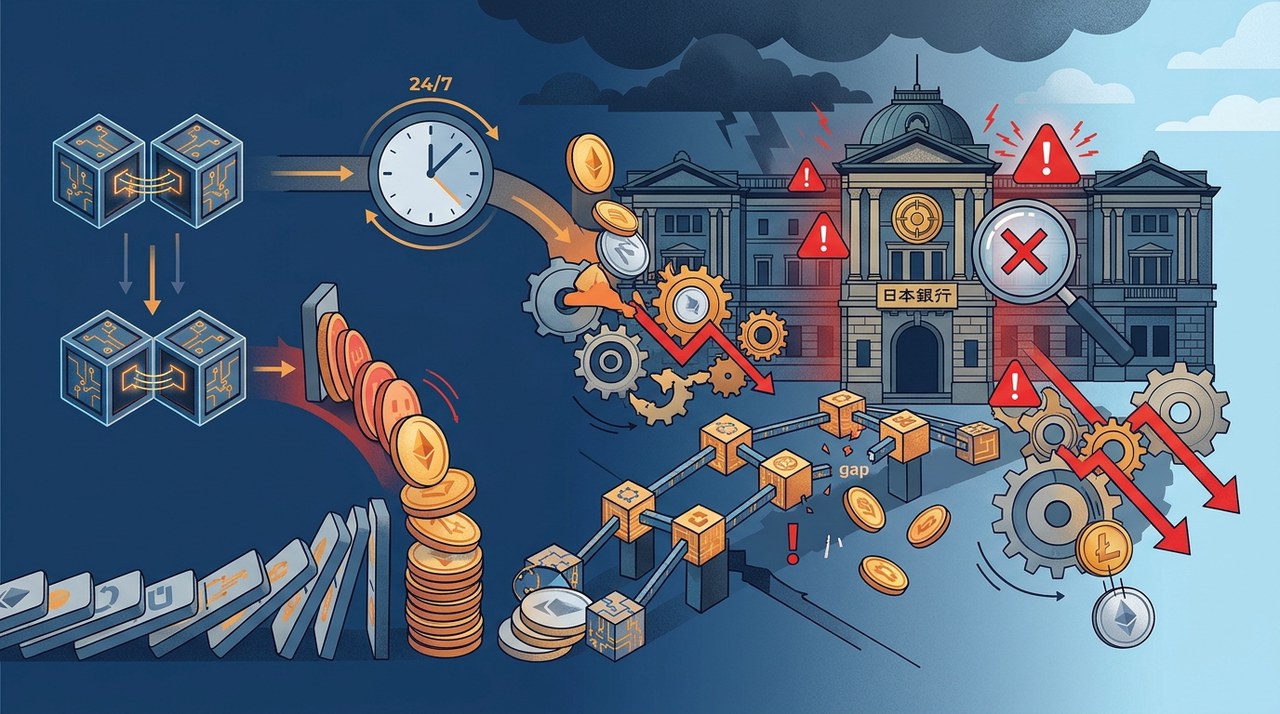
The core of the Bank of Japan's message focused on three main vulnerabilities: automated smart contract liquidations, stablecoin redemption risks, and liquidity bottlenecks caused by 24/7 trading.
The Danger of Automated Sell-Offs in Tokenized Markets
Smart contracts are self-executing programs stored on a blockchain that run when predetermined conditions are met. In crypto lending and decentralized finance, they are frequently used to manage collateral automatically.
Kamiyama explained that when asset prices drop, a smart contract can automatically demand additional collateral from a borrower. If the borrower fails to deposit more funds immediately, the contract automatically sells the collateral on the open market.
In the event of a price drop, a smart contract could automatically increase the amount of collateral required. It could also trigger a sale of the collateral backing a position if the borrower doesn't have enough collateral.
The issue arises when market drops trigger thousands of automated liquidations simultaneously. These forced sales can drive prices down even further, creating a cascading sell-off that spreads financial stress across interconnected institutions and broader financial markets.
Stablecoins: Can You Really Redeem Every Dollar?
Stablecoins are digital tokens designed to track the value of fiat currencies like the US dollar. They serve as a primary store of liquidity for trading digital assets.
However, the Bank of Japan raised concerns about whether stablecoin holders can reliably redeem their tokens for cash at face value during times of severe market stress.
To guarantee that a token worth one dollar can always be traded back for one dollar, Kamiyama emphasized that token issuers must maintain properly regulated reserves and establish reliable connections to central bank money.
The Liquidity Trap: 24/7 Markets Meets Traditional Banking Hours
Blockchain networks operate continuously, 24 hours a day and 7 days a week. In contrast, traditional central bank settlement networks operate on fixed business hours and close overnight.
This operational mismatch creates potential liquidity traps. A commercial bank might have plenty of cash reserves, yet still find itself unable to complete a tokenized trade overnight because traditional payment systems are offline.
Even with faster settlement, it does not necessarily lead to efficient liquidity management.
To avoid missing payments during off-hours, banks may be forced to store extra cash reserves idle on private trading platforms. This fragments liquidity across multiple networks rather than making financial management more efficient.
The Upside: How Tokenization Fixes Cross-Border Trade Risks
While highlighting key risks, Kamiyama also acknowledged that tokenization provides clear structural advantages for international trade and cross-border securities transactions.
In legacy financial markets, settling cross-border security trades often takes days. This creates settlement risk, where one party hands over cash before receiving the underlying security.
Smart contracts can resolve this by linking payment and asset delivery so that both execute simultaneously. This atomic settlement structure ensures that a buyer never releases funds without receiving the purchased asset at the exact same moment.
Japan's Hands-On Experiments With Tokenized Government Bonds
To address these operational challenges directly, the Bank of Japan is establishing a sandbox testing environment alongside financial institutions that maintain accounts with the central bank.
The pilot program is designed to test how cash settlements work for trades involving tokenized Japanese government bonds (JGBs).
Two Paths Under Evaluation
- Option 1: Issuing tokenized central bank money directly on a shared ledger.
- Option 2: Connecting external tokenized asset platforms directly to Japan's existing central bank payment infrastructure.
Through these practical tests, the Bank of Japan aims to determine whether settlement solutions can eliminate liquidity bottlenecks without exposing financial institutions to systemic market risks.
Navigating Innovation and Risk in Financial Markets
The Bank of Japan's assessment reflects a broader consensus among global regulators: automated finance offers speed, but automated risk requires strong guardrails.
As financial markets continue to integrate tokenized assets and stablecoins, market participants must carefully evaluate both technological efficiency and liquidity risks. Past performance of financial assets and trading models is no guarantee of future stability.
Latest blog posts
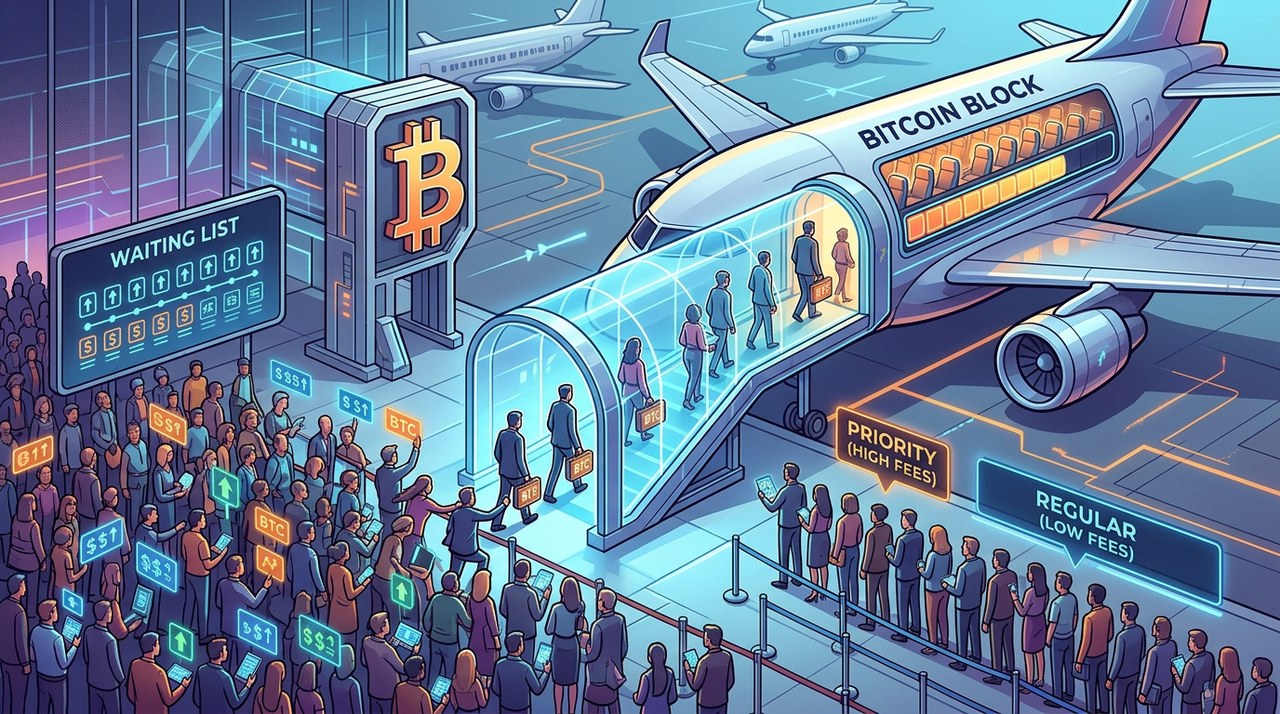


What Happens When a Bitcoin Block Fills Up?
When Bitcoin transaction demand spikes, space inside blocks gets tight. Here is how miners pick transactions and what happens to the rest.
|

US Wins Forfeiture of $674K in Crypto Tied to Scam
A federal court has authorized the forfeiture of nearly $674,000 in stolen Tether, allowing victims of an online investment scam to seek recovery.
|
 +1
Bitcoin's Missing Fuel: USDT Supply Shrinks by $8.1 Billion
Stablecoin liquidity is contracting at its fastest pace in over four years, missing a key condition that accompanied Bitcoin's past record highs.
|