Blog
ข่าวรายสัปดาห์ 4–10 ก.ค. 69: คริปโตอาจได้รับอานิสงส์จากตลาดหุ้น | RWA บนบล็อกเชนพุ่งแตะ $32,220 ล้าน | คาซัคสถานลงนามกฎหมายคริปโทใหม่
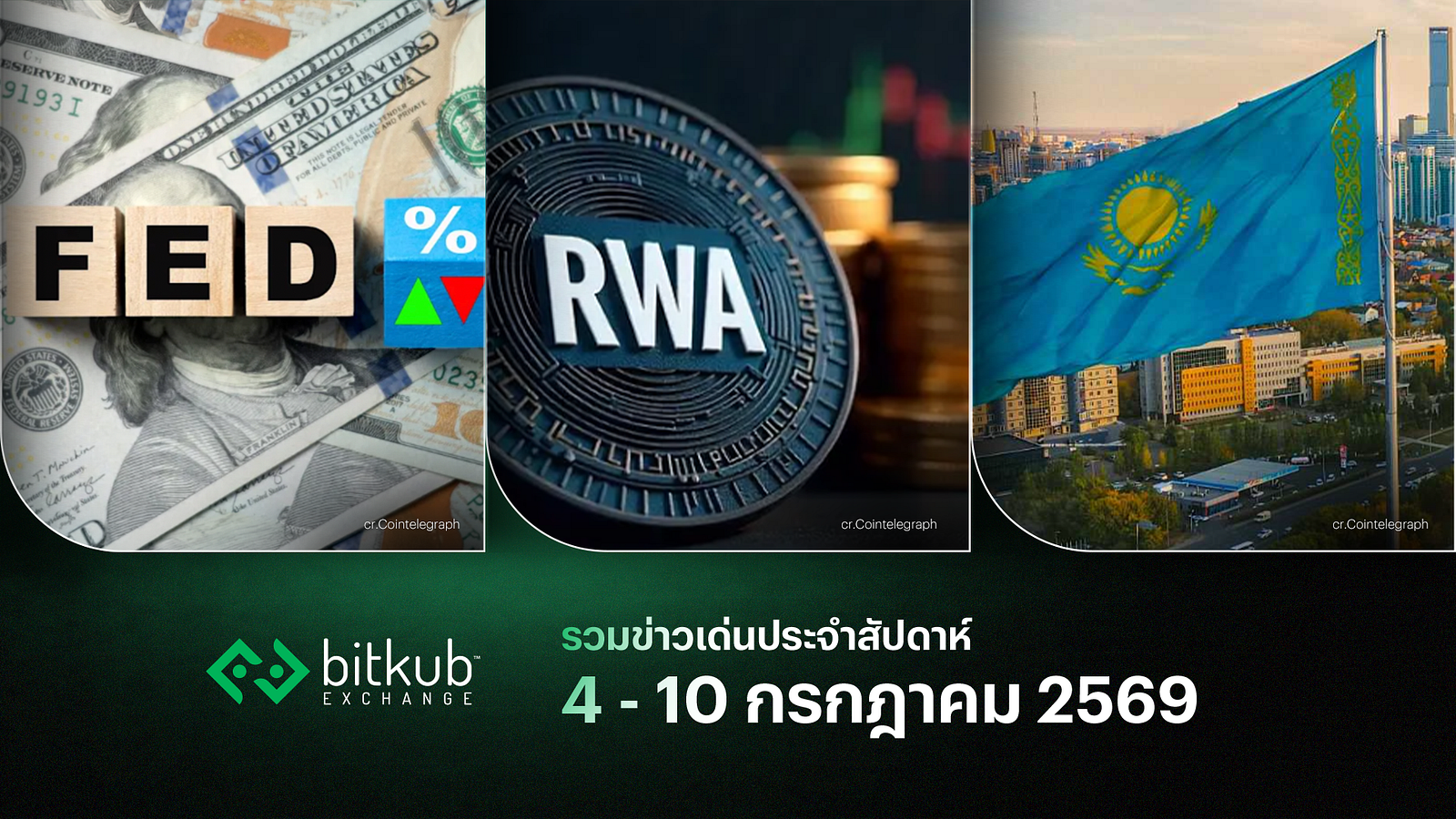
นักวิเคราะห์คาดการณ์ว่า มาตรการของธนาคารกลางสหรัฐฯ (Fed) ที่อาจเข้าซื้อกองทุนดัชนีหุ้น (Equity ETFs) เพื่อพยุงตลาดหุ้นสหรัฐฯ มูลค่า 75 ล้านล้านดอลลาร์ในอนาคต จะช่วยอัดฉีดสภาพคล่องมหาศาลเข้าสู่ระบบ และส่งอานิสงส์ทางอ้อมให้เม็ดเงินไหลเข้าสู่สินทรัพย์ที่มีค่าความเสี่ยงสูง (High-beta) อย่างบิตคอยน์ ซึ่งทิศทางเศรษฐกิจมหภาคนี้สอดคล้องกับการเติบโตของกลุ่มสถาบันในฝั่งการแปลงสินทรัพย์จริงเป็นโทเคน (RWA) บนบล็อกเชน ที่เพิ่งมีมูลค่าทะลุ 3.2 หมื่นล้านดอลลาร์ นำโดยพันธบัตรรัฐบาลสหรัฐฯ ของ BlackRock และ Franklin Templeton ขณะเดียวกันในระดับประเทศ คาซัคสถานกำลังวางตัวเป็นศูนย์กลางคริปโตระดับโลกผ่านกฤษฎีกาฉบับใหม่ที่มอบสิทธิประโยชน์ยกเว้นภาษีคริปโตและโซลูชันการขุดบิตคอยน์nส่วนทางสหภาพยุโรปก็กำลังเตรียมพร้อมปรับปรุงกฎหมายสู่ยุค “MiCA 2.0” เพื่อควบคุมเงินฝากโทเคนและผู้จำหน่ายสเตเบิลคอยน์นอกภูมิภาคให้อยู่ภายใต้กรอบการกำกับดูแลข้ามพรมแดน อย่างไรก็ตาม ภาคส่วนนี้ยังคงต้องเผชิญกับความเปราะบางเชิงโครงสร้าง ดังเช่นเหตุการณ์โจมตีระบบโหวต (Governance Exploit) มูลค่า 20 ล้านดอลลาร์ในคลังของ BonkDAO บนเครือข่าย Solana ที่กลุ่มผู้ไม่หวังดีอาศัยช่องโหว่จากการที่ชุมชนออกเสียงโหวตน้อย มาใช้สิทธิ์ตามจำนวนโทเคนที่มีเพื่ออนุมัติข้อเสนอโอนย้ายเงินทุนเข้ากระเป๋าตัวเองได้สำเร็จ
— — — — — — — — — —
นักวิเคราะห์ชี้ คริปโตอาจได้รับอานิสงส์ หากธนาคารกลางสหรัฐฯ เข้าพยุงตลาดหุ้น
นักวิเคราะห์ระบุว่า ตลาดสกุลเงินดิจิทัลอาจได้รับประโยชน์จากสภาพคล่องที่เพิ่มขึ้นมหาศาล หากธนาคารกลางสหรัฐฯ (Fed) ตัดสินใจเข้าแทรกแซงเพื่อพยุงตลาดหุ้นสหรัฐฯ ที่มีมูลค่ารวมกว่า 75 ล้านล้านดอลลาร์ในช่วงตลาดขาลง เนื่องจากตลาดหุ้นเติบโตขึ้นถึง 68% ในช่วง 5 ปีที่ผ่านมา และปัจจุบันมีประชากรชาวอเมริกันกว่า 58% ที่ถือครองหุ้น ทำให้เกิดแรงกดดันทางการเมืองและเศรษฐกิจอย่างมากในการป้องกันไม่ให้ตลาดเกิดภาวะซบเซาเป็นเวลานาน
ผู้เชี่ยวชาญจาก Bloomberg คาดการณ์ว่า เฟดอาจสร้างบรรทัดฐานใหม่ด้วยการเข้าซื้อกองทุนดัชนีหุ้น (Equity ETFs) โดยตรงเพื่อทำหน้าที่เป็น “ผู้ซื้อรายสุดท้าย” คล้ายกับตอนที่เข้าแทรกแซงตลาดพันธบัตรภาคเอกชนในช่วงการแพร่ระบาดปี 2020
แม้ว่าเฟดจะไม่ได้เข้าอุ้มสินทรัพย์คริปโตโดยตรง แต่ราคาของสินทรัพย์ดิจิทัลเหล่านี้ผูกติดกับสภาพคล่องของเงินดอลลาร์สหรัฐและทิศทางความเสี่ยงของตลาดหุ้นอย่างมีนัยสำคัญ เมื่อนักลงทุนมั่นใจว่าสินทรัพย์เสี่ยงมีมาตรการรองรับที่ปลอดภัย ความต้องการผลตอบแทนชดเชยความเสี่ยงจะลดลง ส่งผลให้สินทรัพย์หลักอย่าง Bitcoin มีโอกาสกลับเข้าสู่แนวโน้มขาขึ้นในระยะกลางถึงระยะยาวจากการที่เม็ดเงินหมุนเวียนกลับเข้าสู่สินทรัพย์เสี่ยง
ที่มา: Cointelegraph
— — — — — — — — — —
มูลค่าการแปลงสินทรัพย์จริงเป็นโทเคน (RWA) บนบล็อกเชนพุ่งแตะ 32,220 ล้านดอลลาร์สหรัฐ
ตลาดการแปลงสินทรัพย์ในโลกจริงให้เป็นโทเคนดิทัล (RWA) กำลังเติบโตอย่างรวดเร็ว โดยมีมูลค่าสินทรัพย์บนบล็อกเชนพุ่งสูงถึง 32,220 ล้านดอลลาร์สหรัฐ ณ สิ้นเดือนมิถุนายน ปี 2026 ซึ่งเติบโตเกือบสามเท่าจากช่วงเวลาเดียวกันของปีก่อนหน้า นอกจากนี้ ฝ่ายวิจัยของธนาคาร Standard Chartered คาดการณ์ว่า สินทรัพย์ในระบบการเงินไร้ตัวกลาง (DeFi) อาจไต่ระดับไปถึง 2.7 ล้านล้านดอลลาร์ภายในปี 2030 จากการย้ายระบบการเงินแบบดั้งเดิมมาอยู่บนบล็อกเชน
ปัจจุบัน สินทรัพย์ 5 ประเภทหลักที่ขับเคลื่อนภาคส่วนนี้ ได้แก่
– พันธบัตรรัฐบาลสหรัฐฯ: มีมูลค่าสูงสุดบนบล็อกเชนกว่า 1.5 หมื่นล้านดอลลาร์ นำโดยกองทุน BUIDL ของ BlackRock (2.23 พันล้านดอลลาร์) และโทเคน BENJI ของ Franklin Templeton (2.44 พันล้านดอลลาร์)
– สินเชื่อภาคเอกชน, อสังหาริมทรัพย์, สินค้าโภคภัณฑ์ และหุ้น: กลุ่มเหล่านี้กำลังเติบโตตามมาติด ๆ
จำนวนผู้ถือครองโทเคน RWA เพิ่มขึ้นถึง 13% ภายในเดือนเดียว รวมเป็นเกือบ 938,000 ราย ความร่วมมือระหว่างสถาบันการเงินยักษ์ใหญ่ช่วยผลักดันให้กองทุนที่อยู่ใต้การกำกับดูแล เช่น BUIDL สามารถเข้ามาซื้อขายบนกระดานเทรดไร้ตัวกลางอย่าง UniswapX ได้สำเร็จ ซึ่งเป็นการผสานมาตรฐานการกำกับดูแลแบบดั้งเดิมเข้ากับสภาพคล่องของโลกคริปโต
ที่มา: Cointelegraph
— — — — — — — — — —
ประธานาธิบดีคาซัคสถานลงนามกฎหมายใหม่ สู่การเป็นศูนย์กลางคริปโตระดับโลก
คาซัคสถาน หนึ่งในศูนย์กลางการขุดบิตคอยน์ที่ใหญ่ที่สุดในโลก ได้ก้าวไปอีกขั้นในการเปิดรับคริปโตเคอร์เรนซี โดยประธานาธิบดี คาสซิม-โจมาร์ต โตคาเยฟ ได้ลงนามในกฤษฎีกาฉบับใหม่เพื่อเร่งการพัฒนาอุตสาหกรรมสินทรัพย์ดิจิทัลให้มีระบบและอยู่ภายใต้การกำกับดูแลที่ชัดเจน มาตรการนี้ร่วมกันพัฒนาโดยกระทรวงปัญญาประดิษฐ์ ธนาคารกลาง และศูนย์การเงินนานาชาติอัสตานา
สาระสำคัญของกฎหมายใหม่ประกอบด้วย 4 แนวทางหลัก:
– การชำระเงินข้ามพรมแดน: ปรับปรุงโครงสร้างพื้นฐานเพื่อรองรับการใช้สินทรัพย์ดิจิทัลและสเตเบิลคอยน์ในการค้าขายและชำระเงินระหว่างประเทศ
– มาตรการทางภาษี: มอบสิทธิประโยชน์ทางภาษีแก่ผู้ใช้งานที่ทำธุรกรรมผ่านแพลตฟอร์มในประเทศที่ได้รับใบอนุญาต รวมถึงการยกเว้นภาษีเงินได้บุคคลธรรมดาสำหรับกำไรจากการซื้อขาย
– การจัดการพลังงานการขุด: จัดสรรก๊าซธรรมชาติและก๊าซเหลือใช้จากกลุ่มอุตสาหกรรมน้ำมันมาผลิตไฟฟ้าสำหรับเหมืองขุดดิจิทัล เพื่อลดการดึงพลังงานจากภาครัฐและเพิ่มประสิทธิภาพด้านพลังงาน
กฤษฎีกานี้มุ่งเน้นการดึงเม็ดเงินลงทุนจากต่างประเทศ ขยายโครงสร้างการค้า และจูงใจให้ผู้ที่ถือครองสินทรัพย์ดิจิทัลในต่างแดนย้ายกลับเข้ามาใช้บริการแพลตฟอร์มที่ได้รับใบอนุญาตอย่างถูกต้องในประเทศ
ที่มา: Cointelegraph
— — — — — — — — — —
BONK เหรียญมีมชื่อดัง บน Solana ถูกโจมตีผ่านระบบโหวตสูบเงินคลังสูญกว่า 20 ล้านดอลลาร์
เกิดเหตุการณ์โจมตีระบบการกำกับดูแลไร้ศูนย์กลาง (Governance Attack) บนเครือข่าย Solana โดยกลุ่มผู้ไม่หวังดีสามารถดึงเงินทุนมูลค่าประมาณ 20 ล้านดอลลาร์สหรัฐ (หรือราว 4.4 ล้านล้านโทเคน) ออกจากคลังของ BonkDAO ซึ่งเป็นหน่วยงานดูแลระบบนิเวศของเหรียญมีม BONK
ความน่ากลัวของการโจมตีในครั้งนี้คือ ไม่ได้เกิดจากช่องโหว่ของโค้ดหรือสมาร์ตคอนแทร็กต์ (Smart Contract) แต่เป็นการอาศัยช่องโหว่ทางเศรษฐกิจของระบบโหวตแบบนับตามจำนวนเหรียญ (Token-weighted voting) ผู้โจมตีได้กว้านซื้อเหรียญ BONK จากกระดานเทรดต่าง ๆ เป็นมูลค่าราว 4 ล้านดอลลาร์ เพื่อสร้างสิทธิ์ในการโหวตที่มากพอ จากนั้นจึงยื่นข้อเสนอขอโอนย้ายเงินคลังตามขั้นตอนปกติ และใช้สิทธิ์ของตนเองโหวตผ่านมติเนื่องจากมีผู้เข้าร่วมโหวตในชุมชนน้อย (Low Voter Turnout)
หลังเกิดเหตุ แพลตฟอร์มแลกเปลี่ยนคริปโตบางแห่ง เช่น Upbit ของเกาหลีใต้ ได้สั่งระงับการฝาก-ถอนเหรียญ BONK ชั่วคราว ขณะนี้ทาง BonkDAO กำลังเร่งประสานงานกับผู้เชี่ยวชาญ มูลนิธิ Solana Foundation และหน่วยงานบังคับใช้กฎหมายเพื่อติดตามเส้นทางเงินและแช่แข็งสินทรัพย์ที่ถูกขโมยไป เหตุการณ์นี้ส่งผลให้ราคาเหรียญ BONK ดิ่งลงทันทีกว่า 8–9% และกลายเป็นบทเรียนสำคัญให้กลุ่ม DAO อื่น ๆ ต้องหันมาเพิ่มมาตรการความปลอดภัย เช่น การตั้งเกณฑ์ขั้นต่ำของผู้ร่วมโหวตให้สูงขึ้น หรือใช้ระบบตรวจสอบแบบหลายลงนาม (Multisig)
ที่มา: decrypt
— — — — — — — — — —
EU เตรียมแก้กฎหมาย MiCA คุมเข้มผู้จำหน่ายสเตเบิลคอยน์นอกยุโรป พร้อมตรวจความเสี่ยงผู้ให้บริการรับฝาก
สหภาพยุโรป (EU) กำลังวางแผนปรับปรุงกรอบกฎหมายการกำกับดูแลสินทรัพย์ดิจิทัล (MiCA) เพื่อขยายขอบเขตอำนาจให้ครอบคลุมการควบคุมข้ามพรมแดน กฎหมายปรับปรุงใหม่หรือที่เรียกกันว่า “MiCA 2.0” นี้ มีวัตถุประสงค์หลักเพื่อตอบรับการเปลี่ยนแปลงทางกฎหมายในฝั่งสหรัฐฯ เช่น ร่างกฎหมายสเตเบิลคอยน์ (GENIUS Act) โดยหน่วยงานของยุโรปต้องการความชัดเจนว่า จะสามารถกำกับดูแลผู้ออกเหรียญสเตเบิลคอยน์จากนอกภูมิภาคที่เข้ามาให้บริการแก่ประชากรในประเทศสมาชิกได้อย่างไร
การแก้ไขกฎหมายในครั้งนี้จะครอบคลุมไปถึงระบบการโอนเงินและเงินฝากที่ถูกแปลงเป็นโทเคน (Tokenized Deposits) ซึ่งการเคลื่อนไหวนี้เกิดขึ้นหลังจากที่มาตรการบังคับให้ผู้ให้บริการสินทรัพย์ดิจิทัล (CASP) ต้องรับใบอนุญาตอย่างเป็นทางการ เริ่มมีผลบังคับใช้ใน 27 ประเทศสมาชิกเมื่อวันที่ 1 กรกฎาคมที่ผ่านมา
นอกจากนี้ หน่วยงานกำกับดูแลหลักทรัพย์และตลาดหลักทรัพย์ของยุโรป (ESMA) ได้เริ่มตรวจสอบความพร้อมและระบบปฏิบัติการของผู้ประกอบการที่ได้รับใบอนุญาต โดยจะมุ่งเน้นไปที่การตรวจสอบการบริหารความเสี่ยงด้านการรักษาความปลอดภัยและการรับฝากสินทรัพย์ (Custody) ของลูกค้า ทั้งนี้ คาดว่ากระบวนการแก้ไขกฎหมาย MiCA 2.0 จะเปิดรับฟังความคิดเห็นไปจนถึงเดือนสิงหาคม และน่าจะมีผลบังคับใช้อย่างเป็นทางการในปี 2028
ที่มา : decrypt
— — — — — — — — — —
คำเตือน:
-คริปโทเคอร์เรนซีและโทเคนดิจิทัลมีความเสี่ยงสูง ท่านอาจสูญเสียเงินลงทุนได้ทั้งจํานวน โปรดศึกษาและลงทุนให้เหมาะสมกับระดับความเสี่ยงที่ยอมรับได้
-ผลตอบแทนของสินทรัพย์ดิจิทัลในอดีตหรือผลการดําเนินงานในอดีต มิได้เป็นสิ่งยืนยันถึงผลตอบแทน ของสินทรัพย์ดิจิทัลหรือผลการดําเนินงานในอนาคต
— — — — — — — — — —
หากคุณยังเป็นมือใหม่ ค้นหาข้อมูลเพิ่มเติมได้ในบทความ “แหล่งความรู้ มือใหม่หัดเทรดคริปโต เริ่มต้นที่นี่” แล้วมาเริ่มต้นเทรดได้วันนี้ที่ Bitkub Exchange → คลิกสมัครเลย

— — — — — — — — — —
Weekly News (4–10 July 2026): Fed Stock Market Backstop Could Indirectly Boost Crypto | Onchain Tokenized RWAs Surge to Record $32 Billion | Kazakhstan President Decrees Push to Become Global Crypto Hub
The global cryptocurrency landscape is experiencing significant shifts driven by macroeconomic pressures, institutional growth, and evolving regulations. Analysts predict that potential Federal Reserve interventions to buy equity ETFs and backstop the $75 trillion US stock market could unleash massive liquidity, indirectly driving capital into high-beta assets like Bitcoin. This macroeconomic backdrop aligns with an institutional boom in onchain tokenized Real-World Assets (RWAs), which recently surpassed $32 billion in value — led by tokenized US Treasuries from BlackRock and Franklin Templeton. At the state level, Kazakhstan is positioning itself as a global hub by introducing a new decree that features crypto tax exemptions and oil-gas-powered mining solutions, while the European Union is already planning “MiCA 2.0” to bring tokenized deposits and non-EU stablecoin issuers under its cross-border regulatory umbrella. However, the sector still faces structural vulnerabilities, as highlighted by a recent $20 million governance exploit on the Solana-based BonkDAO treasury, where an attacker weaponized a low voter turnout to pass a malicious token-weighted funding proposal.
— — — — — — — — — —
Crypto Could Benefit If Federal Reserve Steps In to Backstop Stock Market
Analysts suggest the cryptocurrency market could benefit from a massive influx of liquidity if the Federal Reserve (Fed) decides to intervene and support the US stock market, which is valued at over $75 trillion, during a downturn. The US equity market has grown by 68% over the past five years, and with roughly 58% of Americans currently holding stocks, significant political and economic pressure has mounted to prevent a prolonged market stagnation.
Bloomberg experts predict the Fed might break historical precedents by directly purchasing equity Exchange-Traded Funds (ETFs) to act as a “buyer of last resort,” mirroring its intervention in the corporate bond market during the 2020 pandemic.
While the Fed will not directly back crypto assets, the prices of these digital currencies remain fundamentally tied to US dollar liquidity and stock market risk sentiment. Once investors are confident that a policy floor effectively underpins risk assets, the required risk premium will compress. Consequently, major assets like Bitcoin are poised to re-enter a medium-to-long-term uptrend as capital rotates back into high-beta assets.
Source: Cointelegraph
— — — — — — — — — —
Onchain Real-World Asset (RWA) Tokenization Value Surges to $32.22 Billion
The market for real-world asset (RWA) tokenization is expanding rapidly, with the value of assets on the blockchain surging to $32.22 billion by the end of June 2026. This represents a nearly threefold increase compared to the same period last year. Furthermore, research from Standard Chartered predicts that assets within decentralized finance (DeFi) could scale to $2.7 trillion by 2030, driven by the migration of traditional financial systems onto the blockchain.
Currently, five primary asset classes are driving this sector:
– US Treasuries: Holds the highest onchain value at over $15 billion, led by BlackRock’s BUIDL fund ($2.23 billion) and Franklin Templeton’s BENJI token ($2.44 billion).
– Private Credit, Real Estate, Commodities, and Equities: These segments are following closely with rapid growth.
The number of RWA token holders increased by 13% within a single month, reaching nearly 938,000 users. Collaboration among financial giants has also enabled regulated funds like BUIDL to be traded on decentralized platforms like UniswapX, successfully merging traditional regulatory standards with cryptocurrency liquidity.
Source: Cointelegraph
— — — — — — — — — —
Kazakhstan President Signs New Decree Driving Nation Toward Global Crypto Hub
Kazakhstan, one of the world’s largest Bitcoin mining hubs, has taken another major step toward cryptocurrency adoption. President Kassym-Jomart Tokayev signed a new decree to accelerate the structured and regulated development of the digital asset industry. This initiative was jointly developed by the Ministry of Artificial Intelligence, the Central Bank, and the Astana International Financial Centre.
The new framework focuses on four core areas:
– Cross-Border Payments: Enhancing infrastructure to support the use of digital assets and stablecoins in international trade and settlements.
– Taxation Measures: Providing tax incentives for users trading through domestic licensed platforms, including personal income tax exemptions on capital gains.
– Mining Energy Management: Allocating natural gas and industrial waste gas from the oil sector to generate electricity for digital mining operations, reducing the burden on the national grid while optimizing energy efficiency.
The decree aims to attract foreign direct investment, expand trade structures, and incentivize offshore digital asset holders to migrate to licensed domestic platforms.
Source: Cointelegraph
— — — — — — — — — —
Solana Meme Coin BONK Suffers $20 Million Governance Attack on Treasury
A governance attack on the Solana network has enabled malicious actors to drain approximately $20 million (around 4.4 trillion tokens) from the treasury of BonkDAO, the entity overseeing the ecosystem of the popular meme coin BONK.
The critical nature of this exploit lies in the fact that it did not originate from code flaws or smart contract vulnerabilities. Instead, it exploited an economic loophole in token-weighted voting systems. The attacker accumulated BONK tokens worth roughly $4 million across various exchanges to secure sufficient voting power. They then submitted a standard proposal requesting a treasury transfer and used their own votes to pass the resolution due to a low voter turnout within the community.
Following the incident, several crypto exchanges, including South Korea’s Upbit, temporarily suspended BONK deposits and withdrawals. BonkDAO is currently coordinating with security experts, the Solana Foundation, and law enforcement agencies to track the funds and freeze the stolen assets. The event triggered an immediate 8–9% drop in BONK’s price and serves as a vital lesson for other DAOs to implement stricter security measures, such as higher voter turnout thresholds or multi-signature (multisig) requirements.
Source: decrypt
— — — — — — — — — —
EU Prepares Revisions to MiCA Laws, Targeting Non-EU Stablecoin Issuers and Custody Risks
The European Union (EU) is planning to update its Markets in Crypto-Assets (MiCA) framework to extend its cross-border regulatory reach. Dubbed “MiCA 2.0,” these proposed changes are largely a response to legislative developments in the United States, such as the stablecoin-focused GENIUS Act. European authorities are seeking clarity on how to regulate non-EU stablecoin issuers providing services within member states.
The upcoming revisions will also cover tokenized payments and tokenized deposits. This move follows the launch of mandatory Crypto-Asset Service Provider (CASP) licensing across the 27 EU member states, which took effect on July 1.
Additionally, the European Securities and Markets Authority (ESMA) has begun assessing the operational resilience of licensed entities, with a focus on reviewing security and custody risk management policies. The public consultation window for MiCA 2.0 remains open until August, though legal experts do not anticipate the official implementation of the revised framework before 2028.
Source: decrypt
— — — — — — — — — —
Disclaimer:
- Cryptocurrency and digital tokens involve high risks; investors may lose all investment money and should study information carefully and make investments according to their own risk profile.
-Past Returns does not guarantee future returns/performance.
— — — — — — — — — —
Start your crypto trading journey today! If you’re new to the space, get all the information you need in our guide, “Crypto Trading for Beginners: Start Here.”
Ready to trade? Sign up now on Bitkub Exchange → Click to register!
— — — — — — — — — —
Source:
Medium