Anthropic Targets $2 Trillion Valuation as Growth Cools

The Pitch Behind Anthropic's Planned IPO
Artificial intelligence company Anthropic is getting ready for a massive Initial Public Offering (IPO) targeted for November. Wall Street giants Goldman Sachs and Morgan Stanley are reportedly leading the offering. The company is aiming for a valuation of over $2 trillion.
Just weeks ahead of the listing, financial figures leaked from pitch events held for potential investors. These metrics offer a rare look inside the financial engine of one of the world's prominent AI builders.
According to reports originally published by the Financial Times, Anthropic reached $16.8 billion in revenue for the third quarter. That represents a 50% increase compared to the previous quarter. The company also posted its second consecutive quarter of adjusted profit.
Flipping the Script on Compute Costs
The standout takeaway for prospective investors is how much more efficient Anthropic has become at converting raw computing power into cash. AI models require massive server farms to run, making compute power one of the industry's biggest expenses.
During the third quarter, Anthropic earned $1.70 in revenue for every $1 it spent on compute. To put that in perspective, think of compute like fuel. Last year, the engine was far less efficient.
Look back at the operational numbers from 2025 to see how fast things changed:
- 2025 Compute Spend: Anthropic spent $7.33 billion on computing power.
- 2025 Revenue: Total revenue reached roughly $4.6 billion.
- Compute Ratio: The company brought in only $0.63 for every $1 spent on compute.
- Net Loss: Operating losses topped $8 billion for the year, excluding write-downs tied to earlier fundraising.
By the third quarter of this year, executive figures showed operating margins reaching 11%. Anthropic also confirmed it had officially turned cash flow positive.
Understanding the Financial Fine Print
While these top-line metrics look strong, industry observers point out that accounting definitions matter greatly in the artificial intelligence sector.
As previously reported by BeInCrypto, Anthropic's second-quarter adjusted profit figures did not include stock-based compensation for employees. Similarly, its reported 80% gross margin excluded the heavy costs required to train its core AI models.
Training an advanced model is a massive upfront expenditure. Leaving those capital expenses out of gross margin calculations helps paint a cleaner operational picture, but investor scrutiny remains high.
A Closer Look at the Revenue Growth Slowdown
Despite reaching $16.8 billion in Q3 revenue, Anthropic is experiencing a noticeable cooling in its growth trajectory. The pace of momentum was much faster earlier in the year.
Here is how quarterly sales progressed across the current year:
- First Quarter Revenue: Approximately $4.8 billion.
- Second Quarter Revenue: Jumped to $11.5 billion (more than doubling Q1).
- Third Quarter Revenue: Advanced to $16.8 billion (a 50% quarter-over-quarter gain).
Because growth slowed from over 100% down to 50%, full-year expectations are being recalibrated across Wall Street.
Over the summer, some bullish investors told reporters that Anthropic's annualized revenue run-rate would pass $100 billion by the end of the year. Independent research firm SemiAnalysis has since adjusted its projection to roughly $74 billion, up slightly from its $65 billion estimate at the end of July.
Three Main Headwinds Dragging on Expansion
The report highlights three primary market forces responsible for dampening Anthropic's top-line acceleration.
1. Major Clients Building In-House Solutions
Two of Anthropic's biggest corporate customers, Meta and Microsoft, are increasingly relying on their own proprietary AI models. As enterprise clients build internal capabilities, third-party vendor spending naturally tapers off.
2. Cranking Down on Model Distillation
Anthropic intentionally reduced 'distillation' activities. Distillation happens when rival AI labs train their smaller systems by piping in outputs from a more powerful model like Claude.
Four sources familiar with the matter revealed that paid distillation usage previously accounted for 5% to 7% of total revenue. Cutting back on this practice directly lowered short-term sales.
3. An Escalating Industry Price War
Competition among frontier AI platforms is intensifying. Anthropic and chief rival OpenAI have both been forced to lower API access prices as low-cost Chinese open-source developers flood the market.
Demonstrating this shift, Anthropic priced its Claude Haiku 5.5 model about 75% lower than the version it replaced. Lower prices mean lower top-line revenue per query unless volume grows dramatically.
Massive Long-Term Commitments Remain
During the investor presentations, Chief Executive Officer Dario Amodei and Chief Financial Officer Krishna Rao drew heavy attention to current cash flows and profitability.
However, executive leadership also cautioned that profitability metrics could easily fluctuate. Anthropic is pouring immense resources back into computing hardware and specialized biomedical research.
Anthropic has already committed to spending at least $518 billion over the next decade on cloud services, computing infrastructure, and data center capacity.
Financial analysts note that broader macroeconomic shifts, such as elevated interest rates, could make funding these long-term commitments more expensive over time.
For now, Anthropic's $2 trillion valuation target rests heavily on the private financial disclosures shared with institutional investors ahead of November.
Latest blog posts


Tether Paid $6M to Firm Linked to Former Adviser
A Wall Street Journal report reveals Tether paid $6 million to Nxum, a firm co-founded by former crypto adviser Bo Hines, during GENIUS Act efforts.
|
Australia Seeks Feedback on Crypto Rules Ahead of 2027
Australia's financial regulator is gathering feedback on proposed crypto rules following key legislation passed in April, aiming for full implementation by 2027.
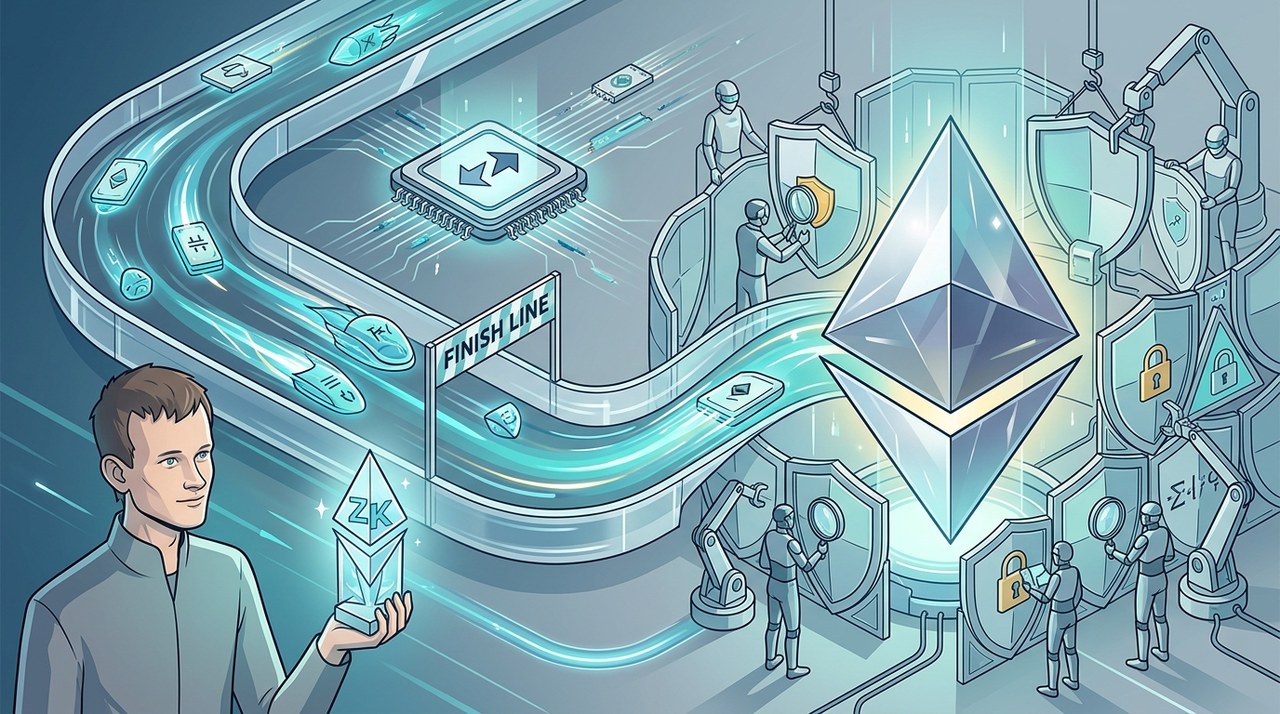


Vitalik: Ethereum ZK Speed Race Won, Security Is Next
Vitalik Buterin says zero-knowledge proving speed is officially solved, urging developers to turn their focus entirely toward zkEVM security.
|