
Anchorage Digital Stablecoins Can Settle Payments on Visa
A Major Bridge Between Traditional Finance and Crypto
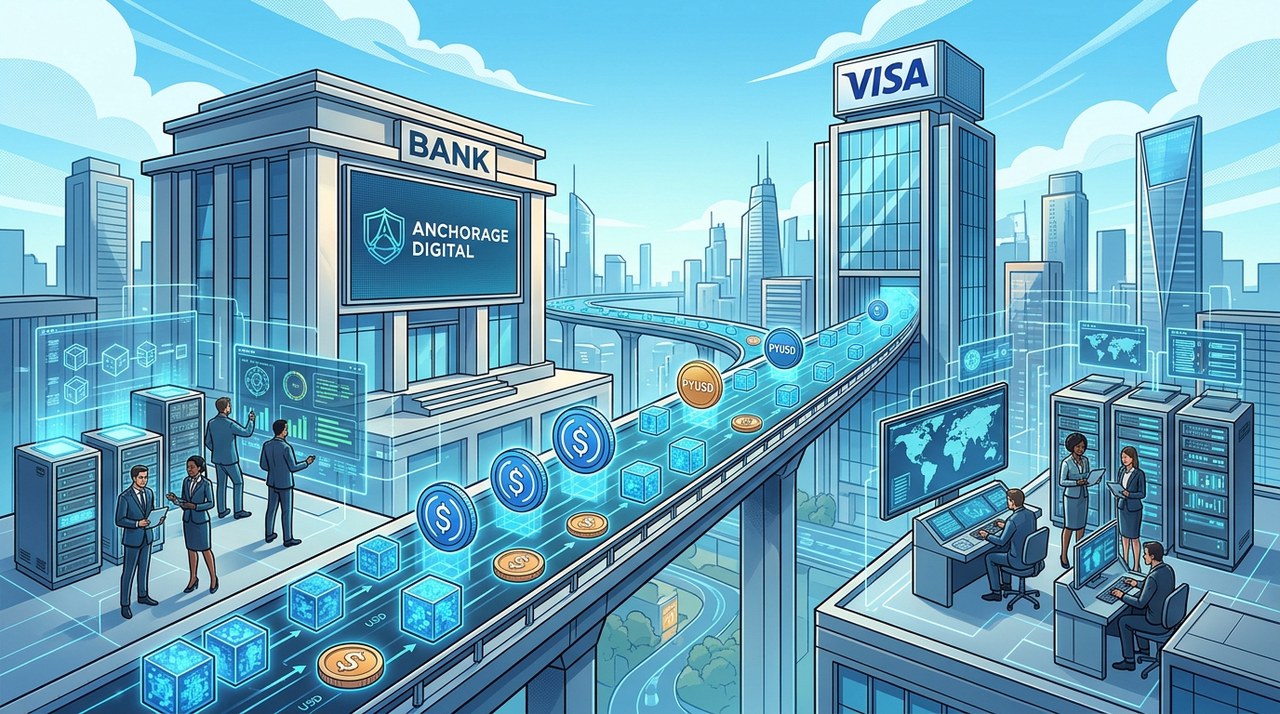
Institutional digital asset bank Anchorage Digital has expanded its partnership with payment giant Visa.
Under this operational expansion, stablecoins issued or held through Anchorage Digital can now settle payments directly on Visa's global network.
This integration connects traditional payment infrastructure directly with blockchain-based digital assets.
Understanding How Stablecoin Settlement Works
To understand why this development is significant, it helps to look at traditional payment clearing.
When you use a card, traditional banks typically settle the transaction through wire transfers that can take several business days.
Stablecoins are digital currencies designed to maintain a stable value, usually pegged 1:1 to the US dollar.
By settling payments using stablecoins via Anchorage Digital, institutions can transfer funds 24/7 without traditional banking hours.
Why Anchorage Digital Matters
Anchorage Digital holds a federal bank charter in the United States.
This regulatory status allows them to provide institutional-grade custody and banking services to financial institutions.
Visa's reliance on a chartered institution helps satisfy security and compliance standards for corporate clients.
Broader Market Expectations and Upcoming Tech IPOs
As institutional adoption of crypto infrastructure expands, broader tech and crypto markets are watching public listings closely.
Prediction markets have drawn significant volume around which major technology and web3 companies will complete an initial public offering (IPO) before 2027.
A prediction market with over $625.67K in trading volume closing on January 1, 2027, reflects current market expectations:
- Anthropic: 97% estimated probability of an IPO before 2027.
- Celonis: 50% estimated probability of going public.
- Remote: 7% estimated probability.
- Rippling: 5% estimated probability.
- Ledger: 5% estimated probability for the crypto hardware wallet provider.
These probabilities reflect market sentiment and speculative positioning on prediction platforms rather than guaranteed financial outcomes.
Risks and Potential Market Scenarios
While payment integrations show growing real-world utility, participants should evaluate potential risks carefully.
Digital assets, including stablecoins, remain subject to technical, operational, and regulatory factors.
If clear regulatory frameworks develop and institutional demand continues, stablecoin settlements could lower transaction costs and boost cross-border efficiency.
Conversely, if liquidity decreases or regulatory constraints tighten, adoption of stablecoin payment rails could stall.
Past performance of digital assets or financial platforms does not guarantee future results. You can view digital asset market trends on Bitkub Market.
What This Means for the Payment Industry
For individual consumers, everyday card purchases will operate normally without immediate visible changes.
However, behind the scenes, merchants and financial institutions gain faster access to cleared funds.
This integration demonstrates how major financial networks like Visa continue incorporating blockchain systems into traditional payment flows.
Latest blog posts
Can Stablecoins Pay Interest? Yield and the GENIUS Act
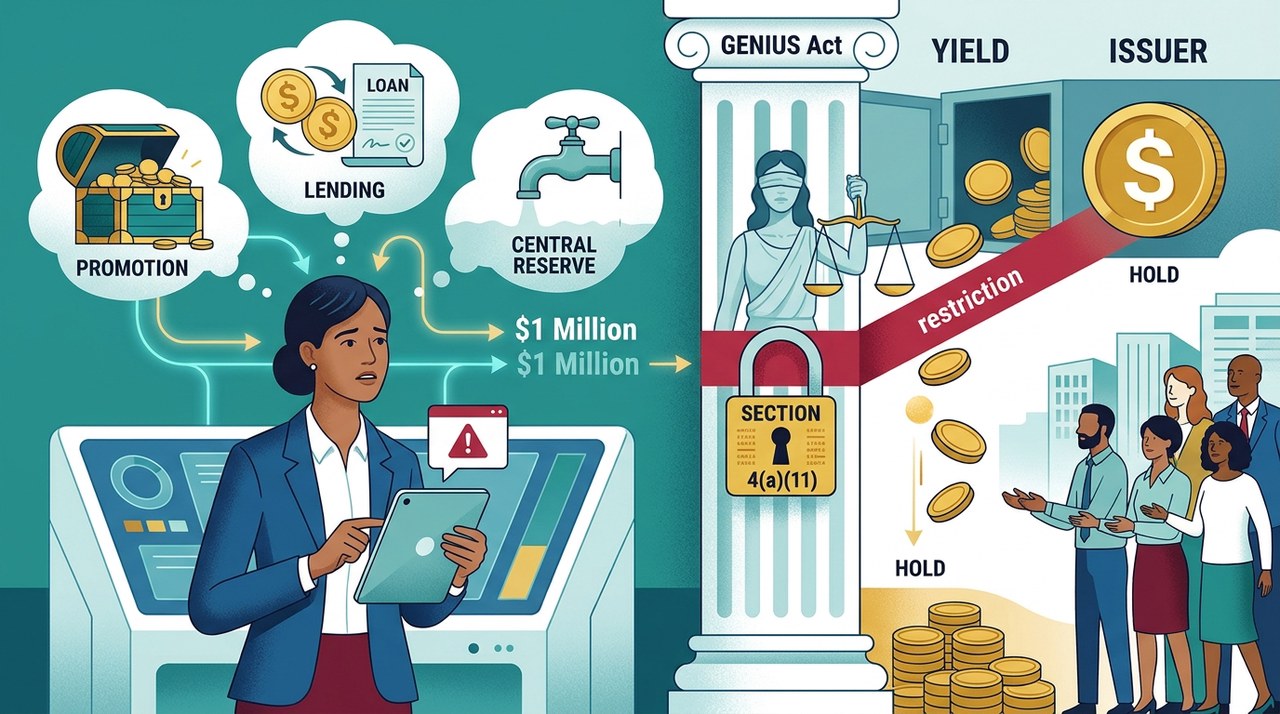
Starting January 18, 2027, the GENIUS Act bans stablecoin issuers from paying interest directly to holders. Here is how it affects rewards, exchange yields, and crypto lending.


Anthony Scaramucci Points to Possible Bitcoin Bottom
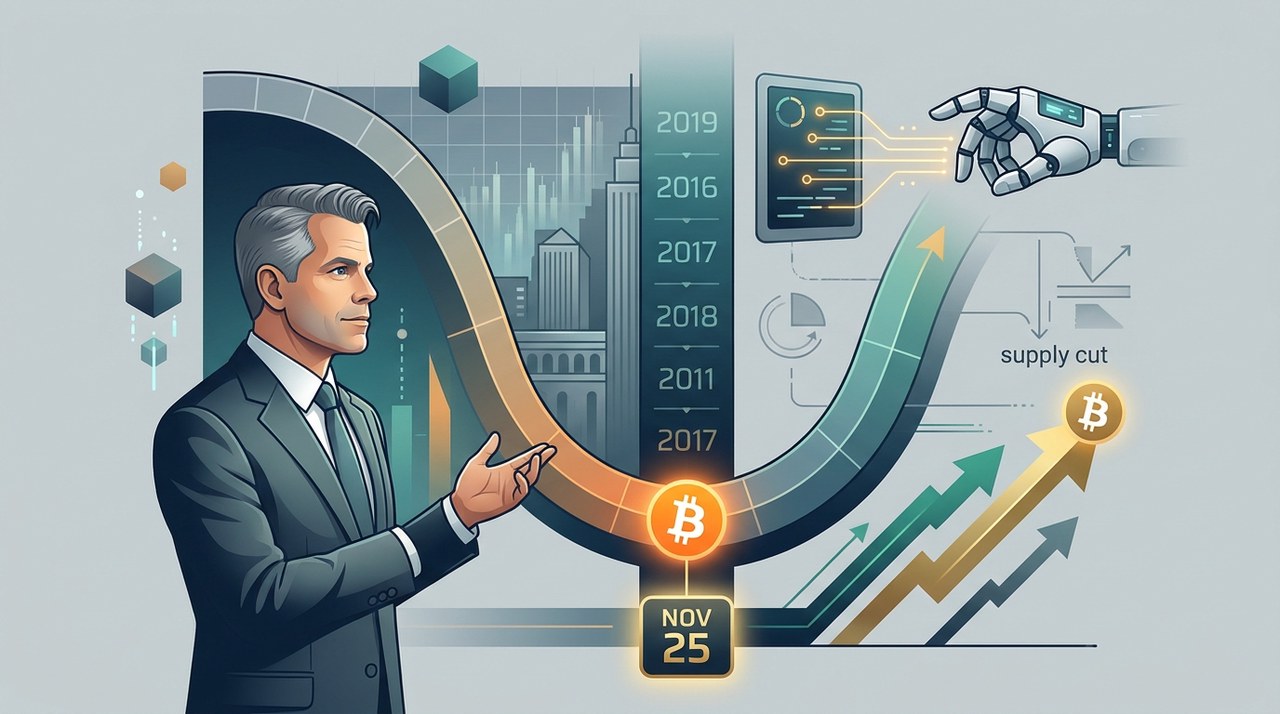
Anthony Scaramucci and Mike Novogratz discussed potential Bitcoin bottom dates, macro factors, and key price levels during a recent market update.
|


CYBER Transfers Paused in Korea Following Bridge Exploit
South Korean exchanges suspended CYBER transfers after unexpected token minting on Solana and Ethereum bridge movements triggered an investigation.
|