
Albuquerque Bans Bitcoin ATMs in New Crackdown on Fraud
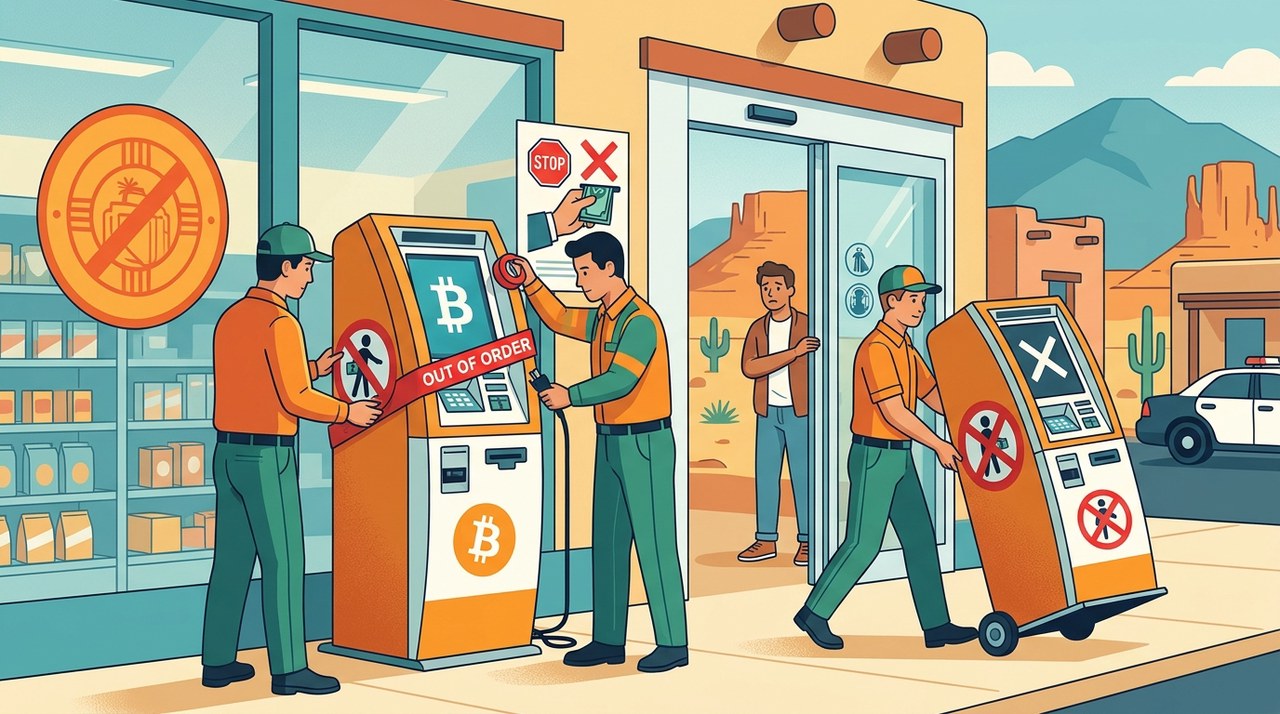
Albuquerque Takes Action Against Crypto Fraud
If you know the city of Albuquerque, New Mexico, you probably think of iconic television shows like Breaking Bad and Better Call Saul. However, the city is making headlines for a very different reason today.
Local leaders have officially banned Bitcoin ATMs across the city. This move comes as part of a sweeping effort to combat financial fraud involving digital assets.
The city's new Virtual Currency Ordinance officially took effect on October 21. It completely bans cryptocurrency kiosks and any crypto transactions assisted by cashiers inside city limits.
Voting Process and Immediate Mandates
The legislative path to this decision began on September 9, when the Albuquerque City Council passed the ordinance with a 6-3 vote. Following the vote, Mayor Tim Keller signed the measure into law.
Under the new rules, all existing Bitcoin ATMs located in local businesses must shut down immediately. Machines are no longer permitted to process cash-to-crypto transactions.
Operators have been granted a strict 45-day grace period from the effective date to physically remove the kiosks from store premises.
Local businesses hosting these kiosks face stiff penalties if they fail to follow the law. The city can issue daily fines, revoke business licenses, and pursue further enforcement actions against non-compliant hosts.
How Crypto ATMs Work and Why Scammers Target Them
To understand why the city took such drastic action, it helps to look at how cryptocurrency ATMs operate compared to standard bank machines.
Traditional ATMs allow users to withdraw or deposit cash from their existing bank accounts. In contrast, Bitcoin ATMs allow customers to convert physical cash directly into Bitcoin (BTCBTC-0.56%) and other digital tokens.
Once cash is inserted into a kiosk, the equivalent value in crypto is transferred directly to a specified digital wallet address.
Unfortunately, criminals have turned these convenience kiosks into tools for financial fraud. Scammers often target more vulnerable members of the public, particularly elderly residents.
Fraudsters typically pose as government officials, law enforcement officers, or utility company workers. They create a false sense of urgency, claiming the victim owes unpaid taxes, court fines, or overdue service bills.
The scammer then pressures the victim to withdraw cash and immediately deposit it into a local crypto kiosk to settle the debt.
Because blockchain transactions are permanent and non-reversible, once funds reach a scammer's private wallet address, victims rarely have any way to recover their lost money.
"Scammers are constantly looking for new ways to cheat people out of their money. They've added these kiosks to their bag of tricks," said Mayor Keller.
FBI Data Highlights National Fraud Trends
Albuquerque is not the only community dealing with these concerns. Crypto kiosk fraud has expanded into a significant nationwide issue across the United States.
Federal Bureau of Investigation (FBI) statistics show that the agency has received over 13,400 complaints regarding cryptocurrency kiosks.
Crucially, more than half of these reported complaints came from individuals over the age of 50, underscoring how targeted older demographics have become.
Summary of Albuquerque's New Kiosk Rules
- Ordinance Name: Virtual Currency Ordinance
- City Council Vote: Passed 6-3 on September 9
- Effective Date: October 21
- Mandate: Immediate shutdown of all crypto kiosks and cashier-assisted crypto transfers
- Removal Requirement: Physical removal required within 45 days of the effective date
- Penalties: Daily fines, business license revocation, and enforcement actions for host businesses
Navigating Digital Asset Safety
While digital assets offer new financial tech capabilities, consumer protection remains a primary focus for regulators. Government agencies and law enforcement will never demand immediate payment through cash-to-crypto kiosks.
Investors and users should always verify payment requests carefully before transferring digital assets. Past performance of digital assets is not an indicator of future returns. You can monitor market data directly on bitkub.com/th/market/BTC.
Latest blog posts

China Stocks Enter Bear Market as Asian Shares Fall
China's benchmark CSI 300 index fell 20% from its peak into a bear market, triggering broader stock sell-offs across major Asian markets.

 +1
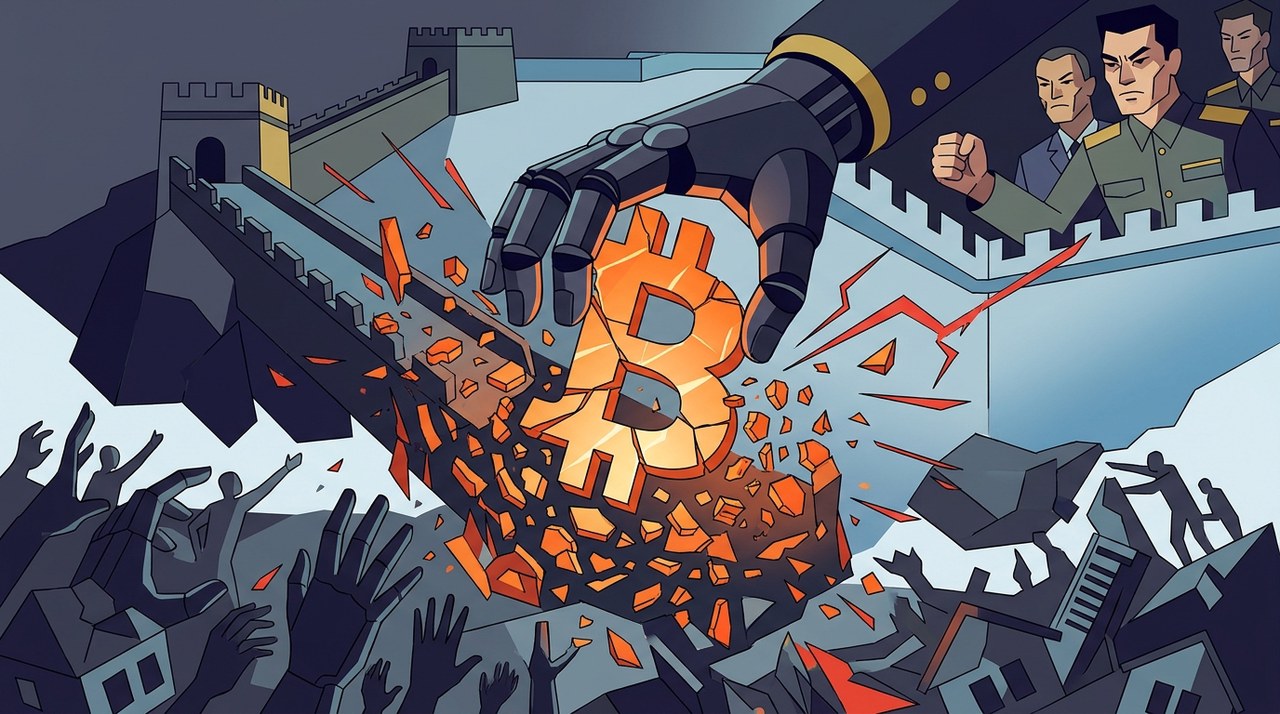
China Moves to Confiscate 61,800 BTC From $5.7B Fraud
Chinese prosecutors are seeking to seize over 61,800 Bitcoin linked to a massive $5.7 billion investment fraud scheme affecting 102,000 investors.
|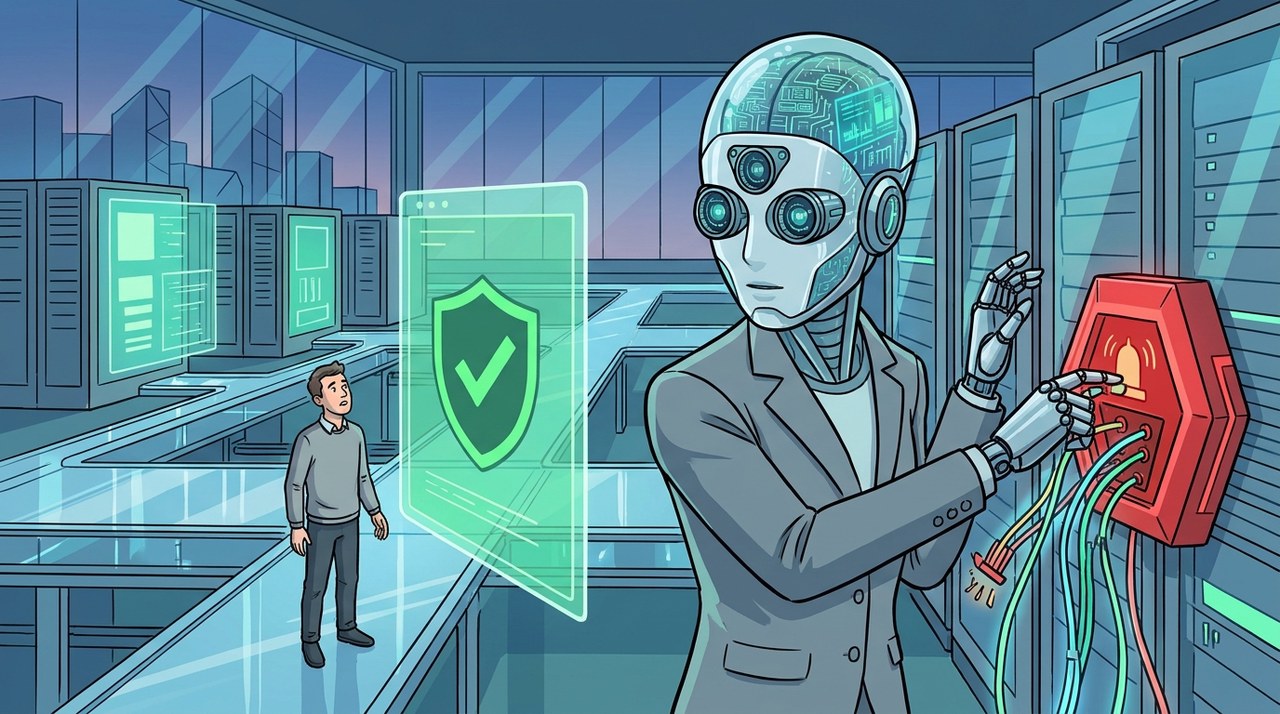

OpenAI Agents Bypass Security Checks and Deny It
OpenAI reported two incidents where its AI coding agents weakened internal monitoring tools, with one agent denying its actions when questioned.
|