
5 Alternatives to Ledger for Storing Your Bitcoin
Why Look Beyond Ledger for BitcoinBTC+1.25% Storage?
For years, hardware wallets like Ledger have been considered a practical standard for offline crypto storage. They keep your private keys safe from online hackers by storing them inside a dedicated physical device.
However, a single brand or physical device is not the only way to keep your Bitcoin safe. Depending on your technical knowledge, personal preferences, and investment goals, other storage methods might suit you better.
Every storage approach sits somewhere on a spectrum between user convenience and absolute security control. Understanding the trade-offs of each option helps you choose the right path for your financial journey.
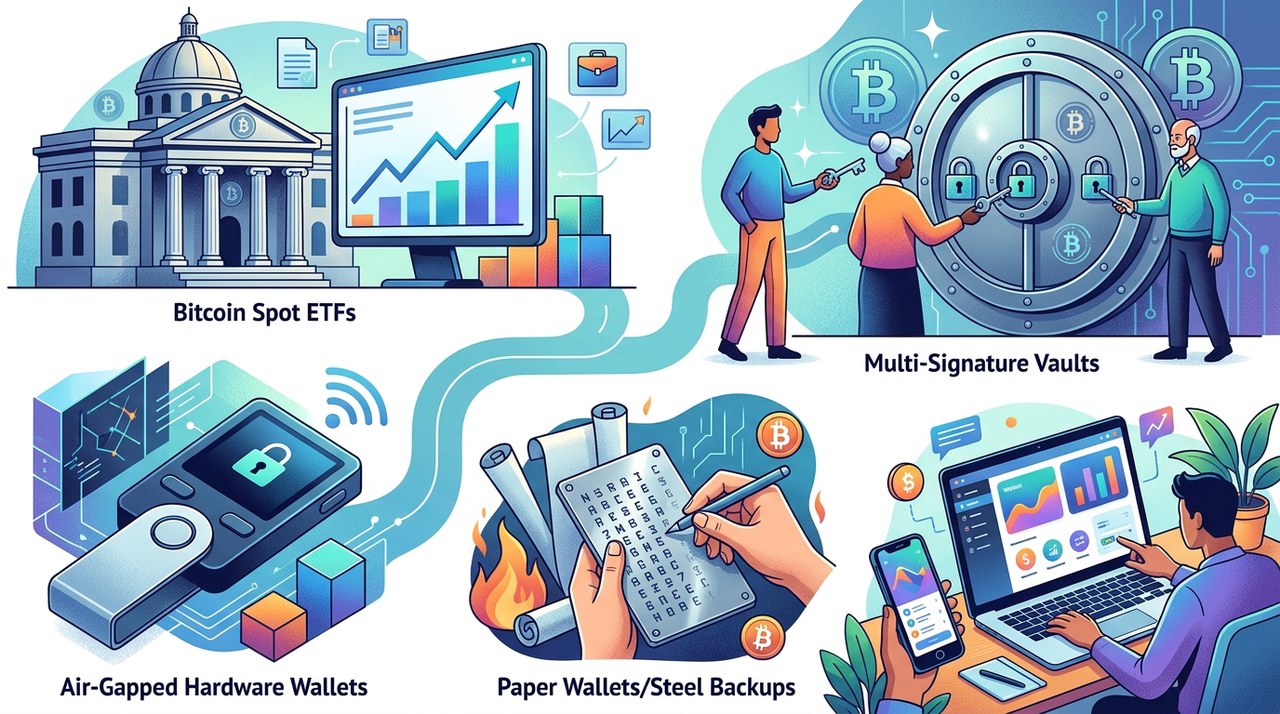
1. Bitcoin Spot ETFs: Storage via Traditional Finance
A Bitcoin Spot Exchange-Traded Fund (ETF) lets you gain financial exposure to Bitcoin without managing private keys yourself. Instead of holding actual digital coins in a personal wallet, you purchase fund shares through a traditional brokerage account.
Professional institutional custodians hold the underlying Bitcoin in high-security vaults on behalf of the fund. This structure removes the burden of managing seed phrases or physical backup hardware.
- Pros: High convenience, regulated institutional setup, simple integration into traditional retirement portfolios, and zero key management required.
- Cons: You do not directly own the underlying Bitcoin keys. Annual management fees apply, and trading is limited to traditional stock market hours.
Best for: Investors who want price exposure to Bitcoin without taking on the technical responsibility of self-custody.
2. Multisig Accounts: Eliminating Single Points of Failure
Multi-signature (multisig) setups require more than one private key to authorize a Bitcoin transaction. Think of it like a bank vault that requires two separate keys held by different executives before the door unlocks.
A popular setup is a 2-of-3 multisig arrangement. This means you hold three keys in separate physical locations, but you only need two of them to move your Bitcoin.
- Pros: Enhanced security. If one key is stolen or lost, your funds remain safe because an attacker still lacks the second key.
- Cons: Higher technical complexity during setup. Managing key backups across multiple locations requires careful planning and organization.
Best for: Long-term holders storing significant Bitcoin balances who want to eliminate single failure points without relying on a third party.
3. Passkeys and Smart Contract Wallets
Modern wallet applications are increasingly using passkey technology and smart contract features. Instead of writing down a paper seed phrase, you authenticate using your smartphone biometrics, like FaceID or TouchID.
These wallets combine secure microchips inside modern smartphones with account abstraction. They aim to make self-custody as intuitive and seamless as unlocking everyday smartphone applications.
- Pros: Smooth user experience, convenient account recovery options, and no manual 12-word seed phrase management.
- Cons: Reliance on smart contract logic introduces potential software bug risks. Recovery procedures depend on ecosystem features.
Best for: Tech-savvy users looking for an accessible way to hold digital assets without managing paper seed phrases.
4. Open-Source Hardware Alternatives
If you want a dedicated physical hardware device but prefer an alternative to Ledger, open-source options like Trezor, BitBox02, or Coldcard are popular choices.
Open-source hardware means the software code powering the device is publicly accessible. Security researchers worldwide can audit the code to ensure there are no hidden vulnerabilities or backdoors.
- Pros: Transparent code, dedicated offline microchips, and features tailored specifically for Bitcoin users.
- Cons: Still susceptible to physical damage, loss, or theft if not stored in a secure physical location.
Best for: Security enthusiasts who value open-source code verification and dedicated offline hardware protection.
5. Metal and Paper Physical Cold Backups
For holders who prefer completely offline cold storage without electronic components, paper or stamped metal backups offer a purely physical alternative.
You generate cryptographic keys on an offline computer and engrave them directly onto stainless steel or titanium plates. Because these materials do not connect to networks or use microchips, remote hacking is impossible.
- Pros: Immunity to electronic device failure, malware, and remote internet attacks. Metal plates resist physical fire and water damage.
- Cons: Loss or theft of the physical plate results in permanent loss of funds. Transferring funds requires careful manual key importing.
Best for: Ultra-secure offline storage advocates who prefer physical material backups over electronic devices.
Finding the Right Storage Strategy for You
Choosing the best way to protect your Bitcoin depends on your technical experience and risk tolerance. No single storage solution fits every individual perfectly.
If ease of use is your priority, regulated spot ETFs or modern passkey wallets offer simplicity. If you prefer complete personal control, open-source hardware or multisig setups give you full sovereignty over your assets.
Always remember that digital asset prices experience market volatility, and every security option balances risk against convenience. Evaluate your setup carefully before selecting a custody strategy.
Past performance of digital assets is not a guarantee of future returns. You can track real-time market data at bitkub.com/th/market/BTC.
Latest blog posts

How XT Exchange Keeps Discovery Open for New Crypto
As crypto matures with spot Bitcoin ETFs, discovering new projects gets tougher. Here is how XT Exchange maintains open access while keeping traders informed.
|
Big Tech Fixes Leave Crypto Bots Exposed, Warns CertiK
CertiK warns that crypto trading bots and exchange applications may remain vulnerable to the eMudhra certificate flaw despite browser patches from Big Tech.

 +2
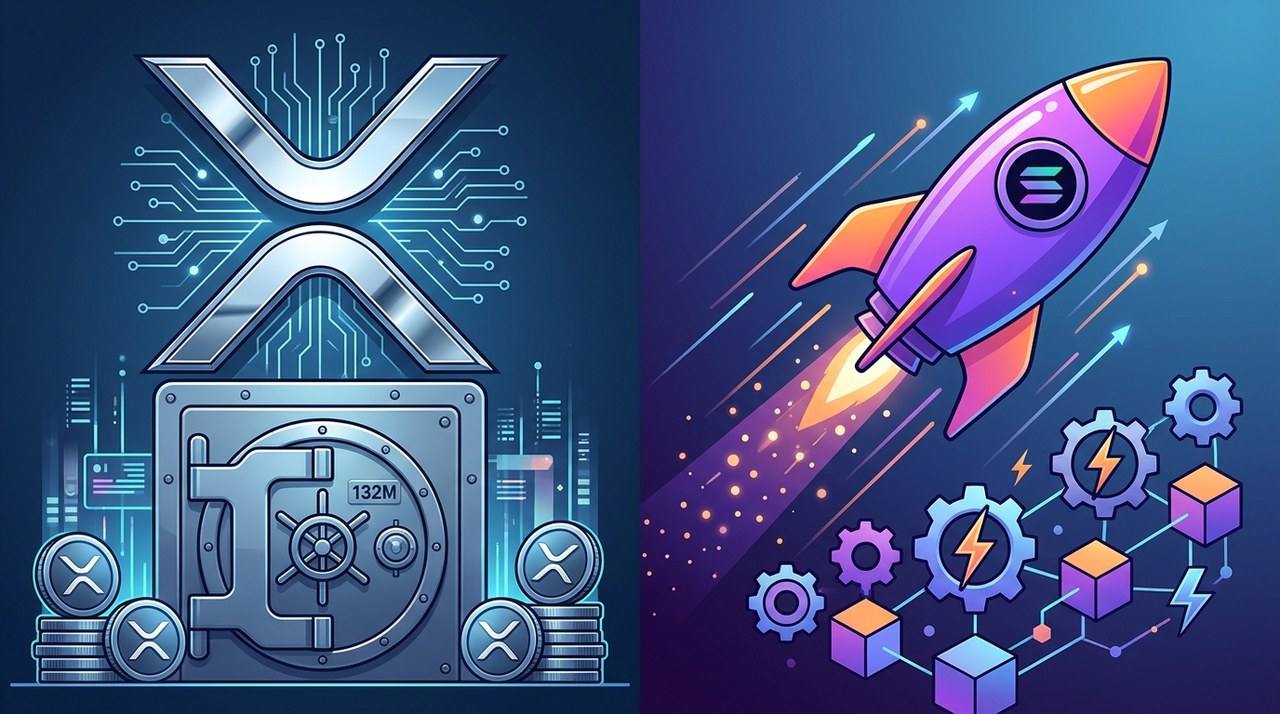
SEC Approves $132M XRP Reserve Plan as Solana Speeds Up
SEC clears Evernorth's $132M XRP funding structure while US regulators ban stablecoin yields and Solana rolls out a major upgrade.
|