
14 Asian Nations Open Talks on Cross-Border Digital Assets

Asian Leaders Step Up Talks on Cross-Border Payments
Fourteen Asian nations have officially agreed to form a new working group. This team will focus on cross-border payment links and regulatory rules for digital assets. The agreement came together during a high-level meeting in Kyoto, Japan.
The gathering brings together the 11 member states of the Association of Southeast Asian Nations (ASEAN) alongside China, Japan, and South Korea. This group is collectively known as ASEAN+3.
Finance and central bank deputies co-chaired the meeting, led by Japan and the Philippines. They launched the initiative under the ASEAN+3 Macroeconomic Research Office, also known as AMRO.
Why Stablecoins Are Central to the Regulatory Debate
The official initiative is called the AMRO Cross-Border Digital Payments Program. While it targets payment systems, policy discussions around digital assets sit right at the center of its agenda.
AMRO has previously cautioned that dollar-denominated stablecoins could weaken local currencies. This warning places stablecoin issuers like TetherUSDT-0.41% directly inside a policy debate that spans 14 Asian economies.
While digital tokens can facilitate quick settlements, they also present risks around currency stability, financial regulation, and capital management that regulators want to address.
Retail vs. Wholesale Payment Connectivity
The newly established working group plans to examine two main types of cross-border payment links across the region:
- Retail Payment Links: These systems handle everyday consumer transactions, including quick-response (QR) payments and cross-border remittances.
- Wholesale Payment Links: These networks facilitate large-scale, bank-to-bank money settlements.
AMRO's first major task is to conduct a detailed gap analysis of retail payment connectivity. This research aims to highlight where technical and legal hurdles remain across ASEAN+3.
Key Details Omitted from the Kyoto Announcement
Although the Kyoto meeting established the framework, the official co-chairs' statement left several practical details open for future resolution.
For instance, the statement did not set a specific timeline, allocate a dedicated budget, or name participating representatives. In addition, the document avoided mentioning stablecoins by name.
Instead, officials will continue their research and present a full report to ASEAN+3 finance ministers and central bank governors in Nagoya, Japan, in May 2027.
The 2025 AMRO Paper: Mapping the Digital Asset Future
Because the Kyoto statement remains broad, policy observers look to a 2025 AMRO research paper to understand the underlying direction for digital asset rules.
The paper warned that widespread adoption of dollar-backed tokens could lead to currency substitution. This happens when citizens and local businesses start swapping their native currencies for dollars.
AMRO noted that currency substitution could weaken a central bank's control over domestic monetary policy. It also makes tracking and managing international capital flows far more challenging.
As a potential solution, the paper suggested exploring well-regulated local-currency stablecoins instead of relying heavily on foreign dollar tokens.
Real-World Adoption and Differing Regional Trends
Stablecoins are already playing an active role in daily financial transactions throughout several ASEAN+3 member countries.
In the Philippines, PDAX Chief Executive Officer Nichel Gaba estimates that stablecoins currently settle between 5% and 10% of total inbound remittances.
South Korea offers another clear example of the complex dynamics surrounding digital asset policies:
- Local Token Initiatives: Tether has registered trademark filings for a won-pegged stablecoin in South Korea, aligning with AMRO's suggestion for local-currency tokens.
- Capital Outflow Concerns: South Korean investors frequently transfer stablecoins to foreign exchanges, creating the exact capital movements that regulators find challenging to manage.
Regional economies are developing these instruments and their regulatory frameworks at different speeds.
AMRO Chief Yasuto Watanabe shared this perspective at a financial conference in Bangkok back in October. His statement underlines why creating unified regional policies takes time.
Looking Ahead to the 2027 Nagoya Summit
This new ASEAN+3 working group provides 14 nations with a single forum to compare regulatory approaches before the Nagoya meeting in May 2027.
However, any binding laws or regulatory mandates will still come directly from each national government.
As discussions proceed, policymakers will attempt to strike a balance between encouraging payment innovation and maintaining national financial stability.
Latest blog posts

EU Regulator ESMA to Upgrade MiCA Crypto Register by 2027
ESMA is upgrading its MiCA crypto register by 2027, replacing manual data filing with automated checks and tracking white paper version updates.


Ethereum Devs Target Dec 15 for Glamsterdam Upgrade
Ethereum core developers have scheduled the Glamsterdam upgrade for the Hoodi testnet on Dec. 15 while discussing post-quantum readiness for Hegotá.
|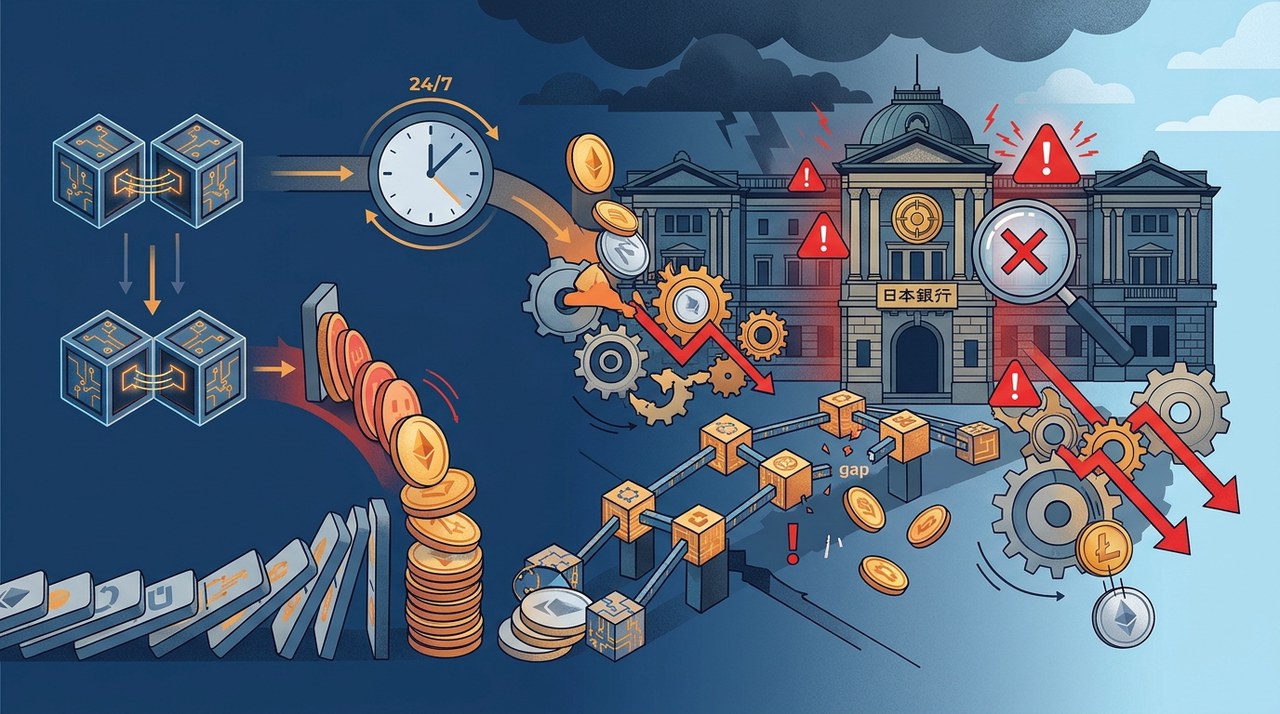
Bank of Japan Warns of Tokenization and Stablecoin Risks
Bank of Japan executive Kazushige Kamiyama warned that smart contracts and stablecoins could create financial stability risks during an IMF seminar.