


XRP Holders Respond to Litecoin's Social Media Jab With Market Data
A Fresh Clash on Social Media
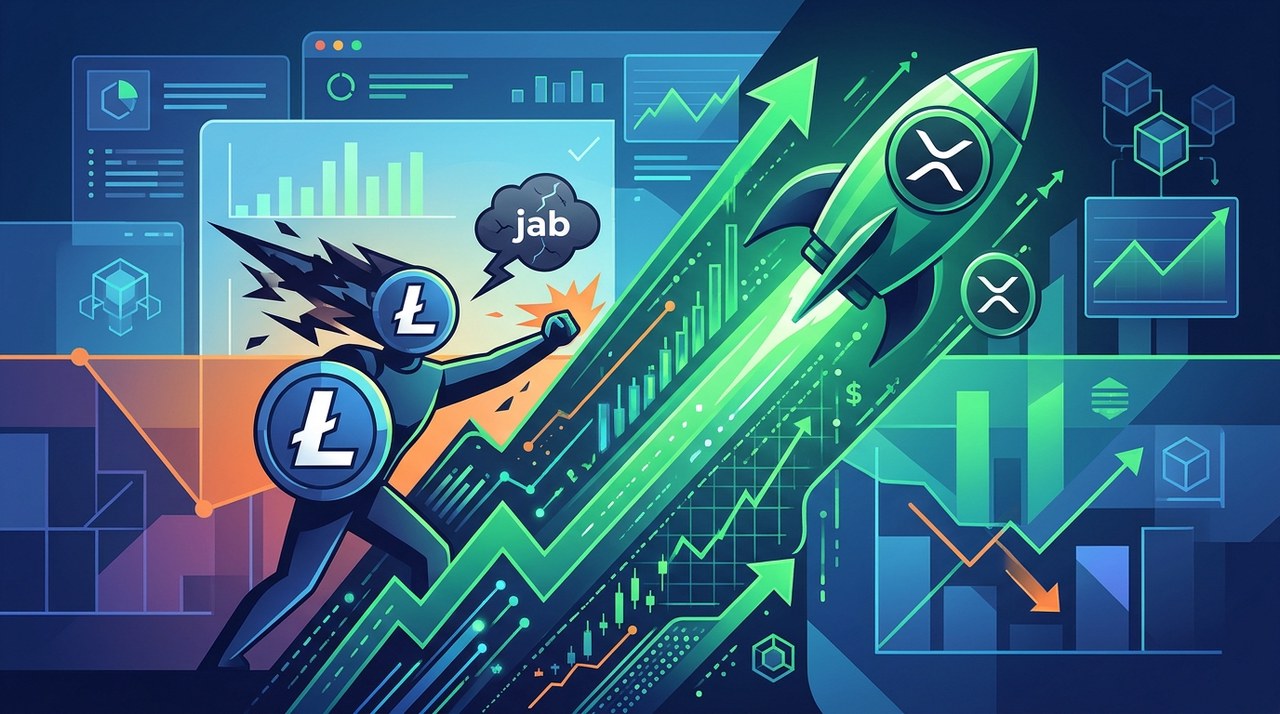
The long-running online feud between Litecoin and XRP flared up again on social media platform X. On November 5, Litecoin's official account posted a reaction clip mocking XRP and its community.
The post included an offensive ableist slur aimed directly at the token. However, XRP supporters quickly fired back. They used real market data to show that the joke landed at an awkward moment for Litecoin.
The Three-Year Chart That Turned the Tables
Rather than trading insults, one prominent XRP supporter flipped the narrative by sharing a three-year performance chart from CoinMarketCap.
The visual data clearly illustrated the diverging paths of both assets over the last 36 months. The chart showed XRP trading comfortably in green territory over that period. In contrast, Litecoin remained below its starting benchmark price.
Multiple community members quickly pointed out that Litecoin has little ground to criticize XRP while trailing so significantly in price action and overall valuation.
Comparing the Long-Term Market Metrics
The price statistics provide clear context for why XRP holders felt confident in their response. XRP has experienced strong momentum, more than doubling in value since late 2024.
Additionally, XRP has consistently maintained its status as a major player. It has stayed inside the top ten largest cryptocurrencies by market capitalization every single year since 2014. Currently, it stands firm among the top five digital assets globally.
Meanwhile, Litecoin (LTC) has faced prolonged market headwinds. LTC currently trades more than 85% below its all-time high of $410 recorded in May 2021. Earlier this year, the asset fell back toward multi-cycle price lows.
Investors should keep in mind that past performance of digital assets is not an indication of future performance. You can review live market tracking data on platforms like bitkub.com/th/market/XRP.
Competition in the Digital Payments Sector
The competition extends beyond just XRP and Litecoin. Another payment-focused project, Zcash (ZEC), has also outpaced Litecoin in performance this year despite both networks competing for transactional adoption.
Institutional research firm Grayscale recently identified Zcash as a payment asset with substantial room for potential growth.
If real-world adoption of payment tokens accelerates and regulatory frameworks remain supportive, assets like Zcash could attract broader market participation. Conversely, if overall market liquidity drops or regulatory scrutiny increases, payment assets could experience reduced demand and downside price pressure.
A Brief History of the Litecoin and XRP Feud
The friction between Litecoin and XRP has been building for a long time across social media channels.
- August 2025 Incident: Litecoin's X account mocked XRP's enterprise banking strategy and referred to RippleXRP-8.45% CEO Brad Garlinghouse as 'Brad Garlicmouse.'
- Cosmic Delusion Post: Weeks later, the account dismissed XRP's market enthusiasm as a 'cosmic delusion.'
- Broader Banter: The account managers later noted that they regularly make jokes about SolanaSOL-4.68% and even mock Litecoin itself.
- Community Reaction: Despite teasing multiple projects, the account admitted that posts focused on XRP consistently trigger the strongest pushback, including reported legal threats.
Institutional Capital Flows vs. Social Media Memes
While provocative posts help generate attention on social media platforms, institutional buyers are focused on tangible capital flows.
US spot XRP Exchange-Traded Funds (ETFs) have demonstrated persistent institutional demand. These funds have logged positive net inflows even on market days when BitcoinBTC-4.28% and EthereumETH-6.10% products experienced net capital outflows.
For XRP market participants, sustained fund inflows and global payment integration remain far more relevant than online rivalries.
Latest blog posts
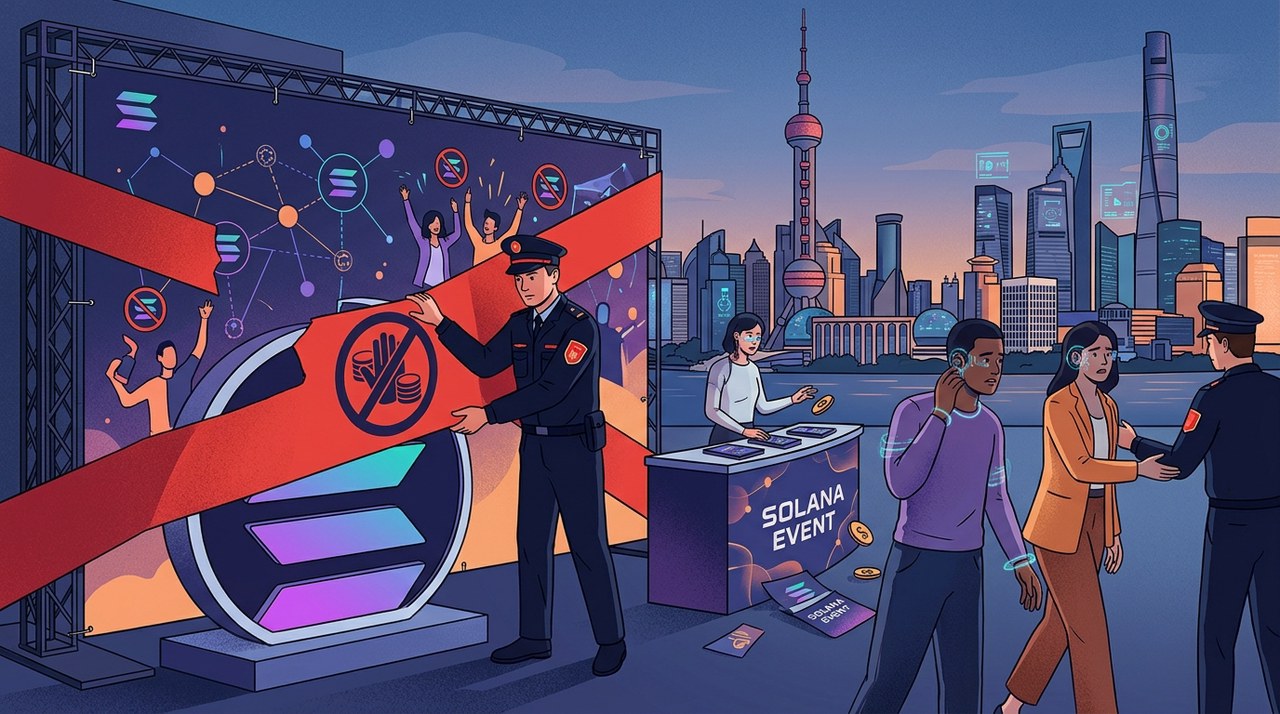
Solana Event Halted in Shanghai Over Local Rules
A promotional event for Solana in Shanghai was stopped after an official stated that domestic promotional activities violated China's crypto regulations.
|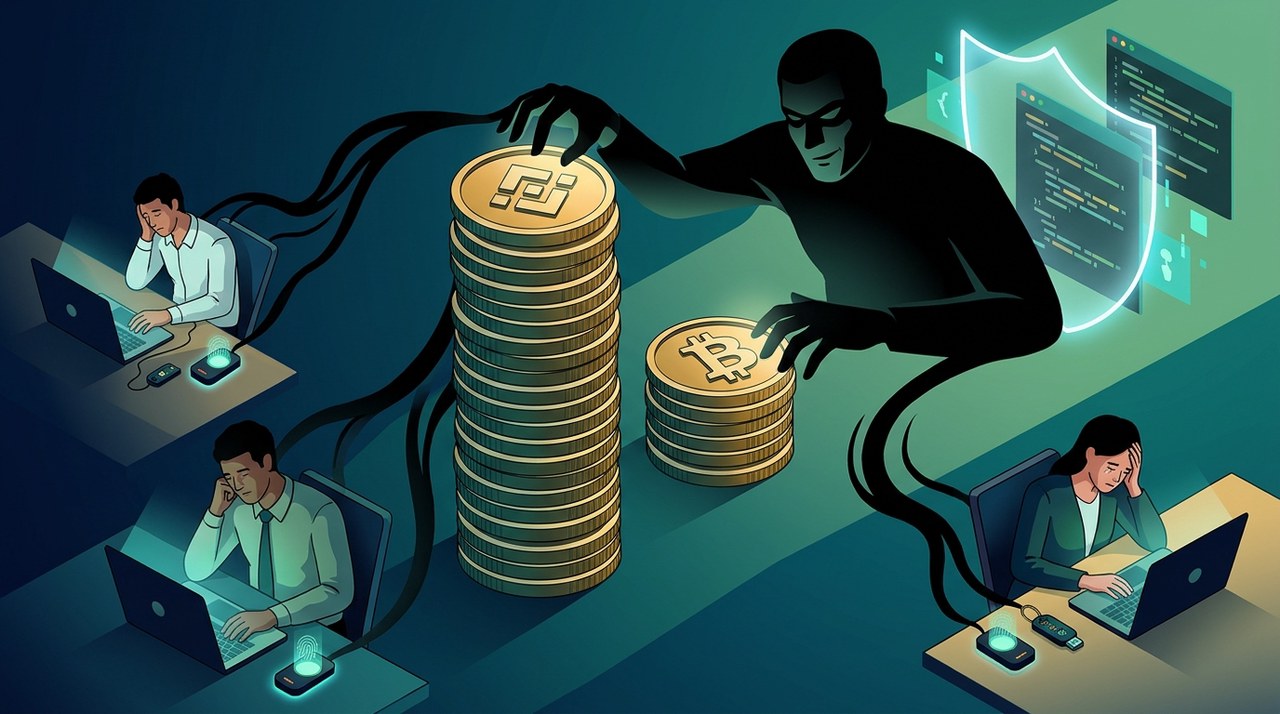

How Hackers Took $7.61 Billion in 2026 Without Breaking Code
A BitOK report shows North Korean hackers stole $7.61 billion in 2026 by targeting authorization systems and credentials rather than smart contract code.
|
 +2
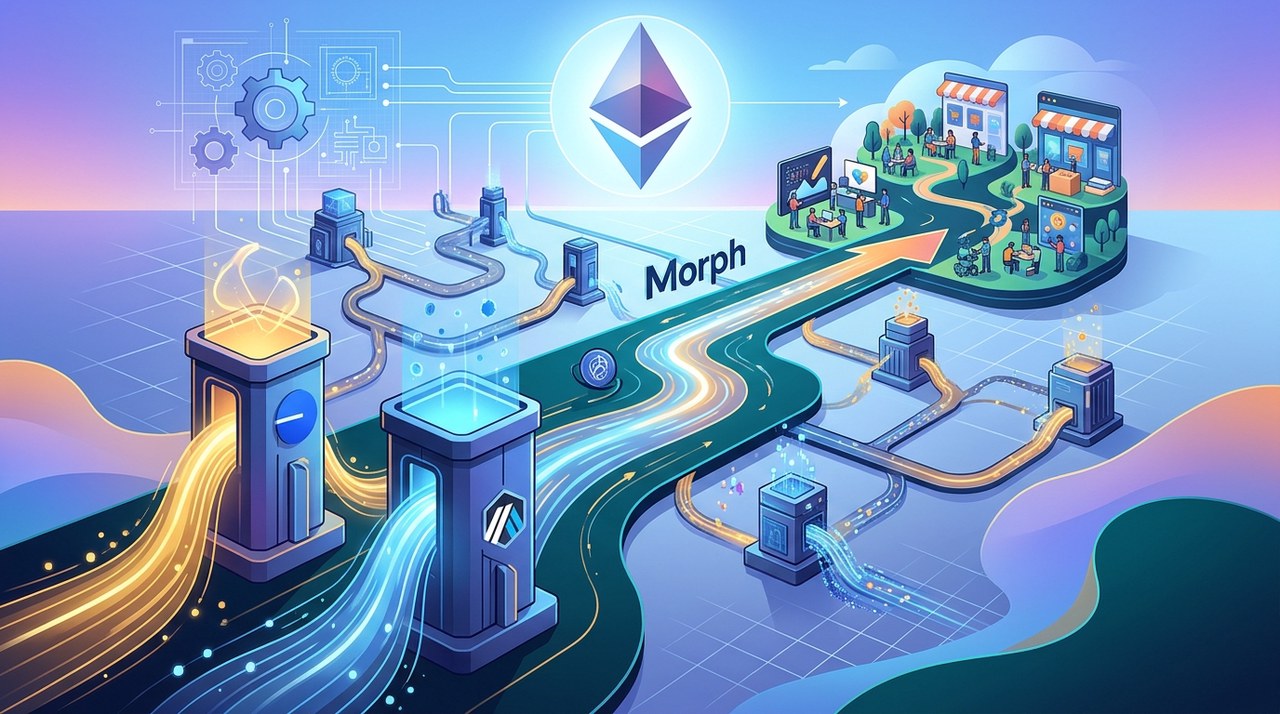
Morph Shift: Why Tech Features Aren't Enough for Layer 2s
Morph Director Renna Ba shares why the Layer 2 market is shifting focus from raw chain speed to real-world financial usability.
|