


Morph Shift: Why Tech Features Aren't Enough for Layer 2s
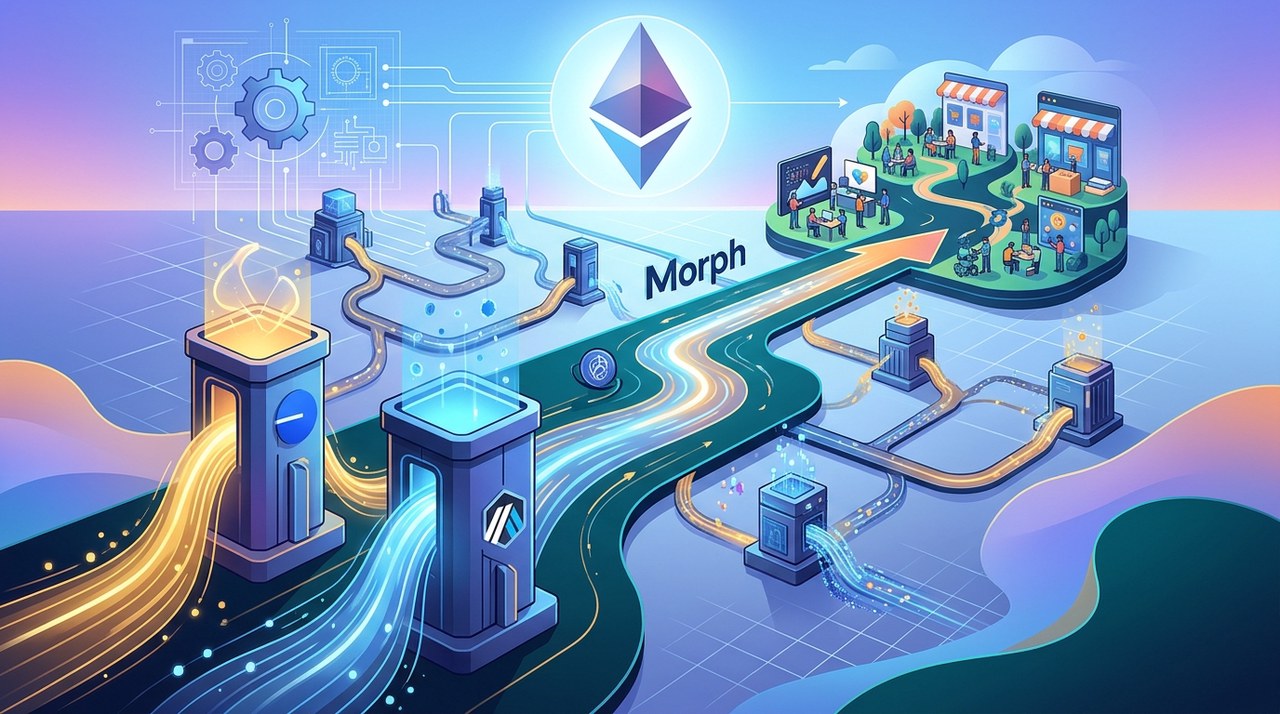
EthereumETH-6.11%'s Layer 2 Landscape: By the Numbers
As of October 22, 2026, Ethereum rollups held roughly $31 billion in total assets. That sounds like a massive victory for blockchain scaling.
However, the distribution of those assets tells a very different story. More than $25 billion of that total sits on just two major networks: Base and Arbitrum One.
Meanwhile, dozens of other engineering teams spend years building top-tier tech to compete for the remaining $6 billion slice.
Today, Ethereum supported networks offer average transaction fees that cost just a fraction of a cent. Cheap fees opened up huge possibilities for developers and everyday users alike.
When every network is cheap, low cost alone is no longer a reason for people to choose your chain. At Morph, the team learned this lesson firsthand.
It is important to remember that historical asset activity does not predict future performance. Past performance of digital assets is not an indication of future results. You can view current market metrics at bitkub.com/th/market/ETH.
The Pitfall of Trying to Build for Everything
Renna Ba, the Director of Partnerships at Morph, recently shared a candid perspective on this market reality.
Morph originally started with a broad ambition: to create a consumer-centric blockchain. The idea was to help developers build everyday applications like games and social tools.
However, having a broad mission created a major hurdle. When you try to build a platform for everything, it becomes hard for anyone to define what you actually do.
Morph realized that technical specs alone do not win over users. The market had already selected its preferred general-purpose networks based on existing liquidity and user base.
Why Users Don't Care About the Blockchain Underneath
Think about how you buy coffee or send money to a friend today. You rarely ask which backend banking messaging protocol processes your payment.
If a payment fails or takes minutes to settle, you blame the app in your hand. You do not blame the underlying server infrastructure.
Blockchain networks work the exact same way. End users simply want applications that work smoothly without technical friction.
If a customer has to understand gas fees, bridge protocols, or network switching, the product experience fails. Morph realized that the blockchain itself should remain invisible to the end user.
Morph's New Focus: Practical Financial Tools
Morph is redirecting its focus specifically toward people's daily financial lives. Rather than pushing users to interact directly with a blockchain, Morph builds practical tools around infrastructure and financial products.
They are putting this strategy into practice through three key initiatives:
1. Tachyon: Dedicated Trading Infrastructure
General-purpose blockchains often struggle when trading activity surges. Orders pile up in queues, causing unexpected delays and slippage.
To solve this, Morph engineered Tachyon, a network built exclusively for trading environments where prices and orders change constantly.
By separating high-speed trading traffic from general applications, Tachyon ensures faster execution for financial order books.
2. Morph Payments: Streamlining Business Transactions
Freelancers and businesses often struggle with complex crypto invoicing tools. Morph Payments allows a Web3 freelancer to send a payment link directly to clients.
When the client pays, funds land in the freelancer's wallet alongside a clean transaction record that an accountant can easily process.
Crucially, Morph Payments is not restricted to the Morph chain. It supports stablecoins like USDCUSDC+0.36% and USDT across major networks including Ethereum, SolanaSOL-5.16%, and TronTRX+0.47%.
Clients can pay directly from self-custody wallets or centralized exchange accounts. A single dashboard allows finance teams to track, edit, or cancel transactions.
3. Retail Adoption: Paying for Bento Boxes in Japan
Real-world adoption requires meeting users where they already spend money.
Morph partnered with NETSTARS, a payments platform in Japan. Through this partnership, shoppers at Lawson convenience stores in Japan can buy items like bento boxes using stablecoins.
Morph handles the underlying transaction settlement in the background. The shopper pays effortlessly without needing to know the technical details of the underlying network.
Ecosystem Growth Through Strategic Partnerships
Building a complete financial ecosystem requires broad collaboration. No single blockchain project can build every financial product alone.
A business earning stablecoins still needs trusted custody solutions, OTC desks for large conversions, and payment cards for daily spending.
Instead of rebuilding existing tools, Morph partners directly with established providers. Their goal is to make these services work together smoothly so users do not have to piece them together manually.
Market Outlook and Potential Risks
The next stage of blockchain growth will likely favor platforms that integrate into daily commerce over those competing strictly on raw speed.
If stablecoin adoption and real-world payment integrations continue expanding, payment-focused layer ecosystems could experience steady growth in real utility.
However, if crypto market volatility increases or retail merchant adoption slows down, transaction volumes across payment networks could decline.
Digital asset markets involve operational and market risks. Users and businesses should evaluate market conditions carefully before adopting new payment tools.
Conclusion: Making Web3 Unremarkable
True mainstream adoption happens when technology becomes so simple that it feels completely unremarkable.
"If someone uses Morph for years and never learns the term 'layer 2', we would have done our job." — Renna Ba, Director of Partnerships at Morph
By focusing on real-world payments, trading infrastructure, and strategic partnerships, Morph aims to show that the best network is the one you never have to think about.
Latest blog posts
 +1
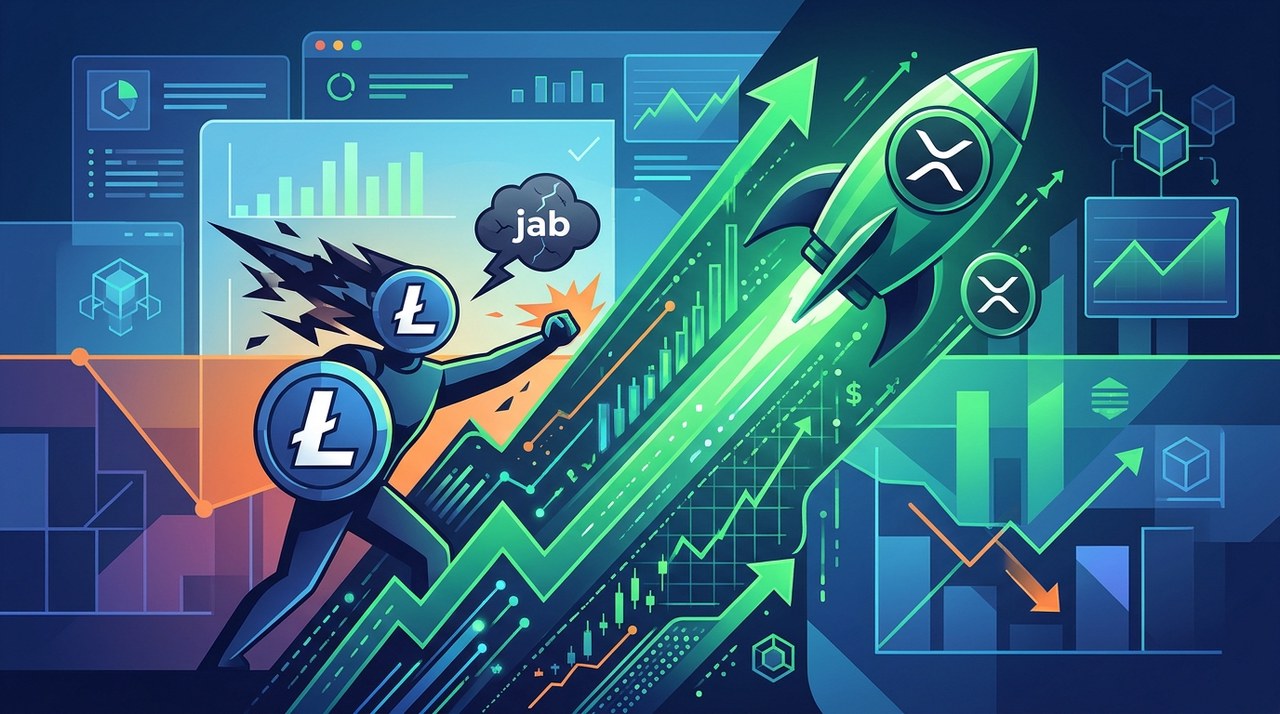
XRP Holders Respond to Litecoin's Social Media Jab With Market Data
A recent social media dispute between Litecoin and XRP highlighted stark differences in three-year price performance and market capitalization.
|
Solana Event Halted in Shanghai Over Local Rules
A promotional event for Solana in Shanghai was stopped after an official stated that domestic promotional activities violated China's crypto regulations.
|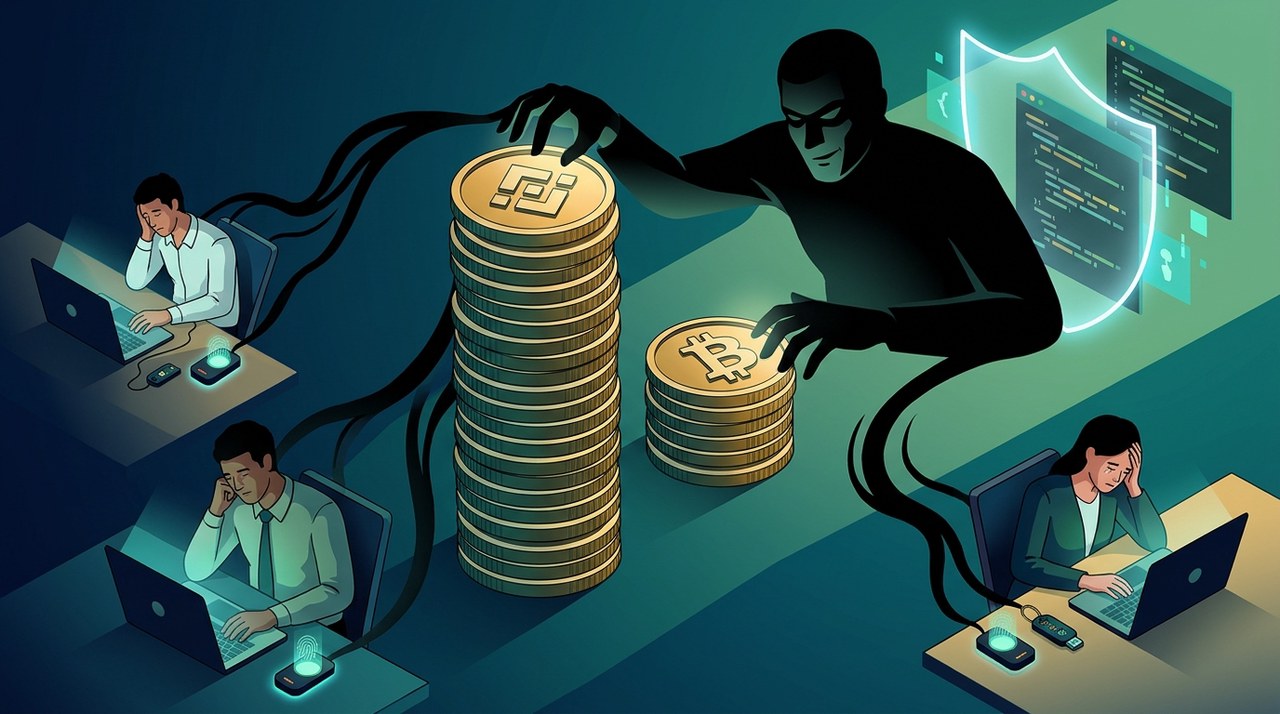

How Hackers Took $7.61 Billion in 2026 Without Breaking Code
A BitOK report shows North Korean hackers stole $7.61 billion in 2026 by targeting authorization systems and credentials rather than smart contract code.
|