Why 82 Crypto Projects Shut Down in 2026
Building in the cryptocurrency industry is rarely easy, but 2026 has brought a stark reality check for many Web3 development teams.
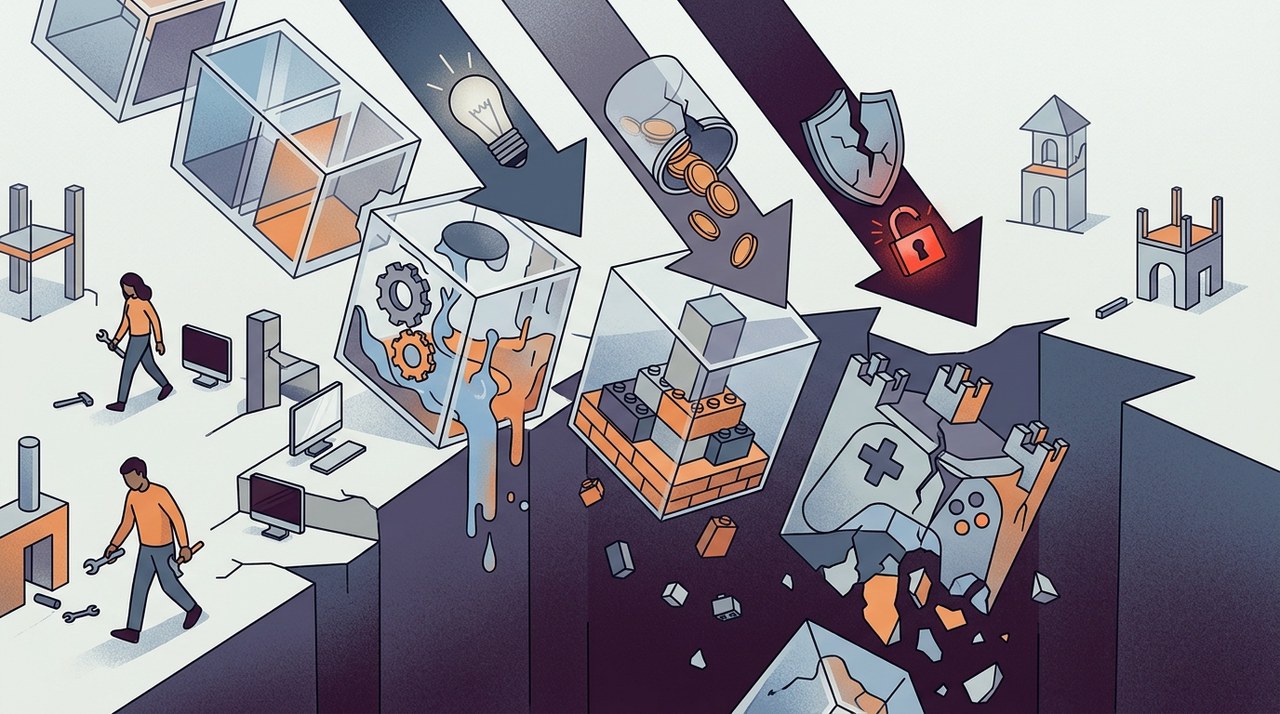
According to recent industry tracking data, at least 82 cryptocurrency projects have officially shuttered their operations this year. This shutdown wave spans several major Web3 verticals, including decentralized finance (DeFi), foundational blockchain infrastructure, and Web3 gaming.
If you have been following the crypto market, you might wonder why so many teams are closing their doors at the same time. The situation comes down to three main pressure points: falling revenues, depleted funding reserves, and devastating security breaches.
What Driven the 2026 Crypto Shutdown Wave?
Launching a crypto protocol is similar to starting a traditional technology company, but it comes with unique financial and operational challenges. When market conditions shift, projects that rely on continuous venture capital or temporary token incentives often find it difficult to survive.
- Falling Revenues: Diminishing user activity and transaction volumes reduced overall protocol fee collection.
- Depleted Cash Reserves: Many teams ran out of runway raised during earlier funding rounds before reaching self-sustainability.
- Security Breaches: Smart contract exploits and treasury hacks left multiple teams without the funds needed to continue operations.
How Different Crypto Sectors Were Impacted
The closure wave reached multiple corners of the Web3 ecosystem. However, three key sectors experienced the heaviest pressure.
1. Decentralized Finance (DeFi)
DeFi applications rely heavily on continuous trading volume and total value locked (TVL) to generate protocol revenues. When trading volume slows down, protocol fee collection drops significantly.
For smaller yield aggregators and lending protocols, lower user activity meant less income to cover ongoing costs like server maintenance, smart contract audits, and developer compensation.
2. Blockchain Infrastructure
Infrastructure projects provide vital backend services, such as RPC node routing, data indexing, and cross-chain bridging tools.
Running reliable infrastructure requires substantial server costs and technical overhead. When decentralized applications (dApps) experience reduced traffic, infrastructure providers face revenue shortfalls that make maintaining operations financially unviable.
3. Web3 Gaming and Interactive Entertainment
Web3 gaming attracted significant capital during prior fundraising cycles. However, building high-quality games requires years of continuous development and sustained player retention.
When player engagement dropped after initial token incentives wore off, many gaming studios struggled to maintain server costs and retain development talent, leading to project cancellations.
Reason 1: Declining Protocol Revenues
In the early stages of development, crypto projects often fund their day-to-day work using treasury reserves or initial token sales. Long-term survival, however, depends on generating real protocol revenues from active users.
Many of the 82 closed projects experienced a mismatch between daily operating expenses and actual fee revenue. When income remains low for an extended period, treasury funds drain quickly, leaving teams with limited choices.
Reason 2: Exhausted Venture Capital Runway
During previous venture capital booms, startups secured capital designed to give them several years of financial runway. By 2026, many of those funding reserves reached their end.
As investors became more selective and focused on sustainable unit economics, projects without clear product-market fit struggled to secure follow-on funding rounds, forcing them to close down gracefully.
Reason 3: Security Vulnerabilities and Exploits
Security remains a persistent risk across the digital asset space. For several shuttered projects, a single smart contract breach or treasury compromise proved unrecoverable.
When an exploit occurs, financial losses are often compounded by a sudden loss of user confidence and liquidity. For smaller protocols without dedicated reserve funds, recovering from a security breach is rarely possible.
Key Takeaways for the Industry
While project closures present challenges, industry consolidations are standard occurrences in technology adoption cycles. Similar phases occurred during the early internet era as business models evolved.
For participants in the digital asset ecosystem, these events highlight important considerations when interacting with Web3 protocols:
- Assess Protocol Sustainability: Consider whether a project generates genuine revenue from utility rather than relying purely on token emissions.
- Examine Treasury Health: Transparent on-chain accounting helps show how much operational runway a project maintains.
- Prioritize Security: Projects with regular smart contract audits and active bug bounties demonstrate stronger risk management practices.
- Acknowledge Market Risks: Remember that past performance of digital assets or protocols does not guarantee future operational success or market returns.
Summary
The closure of 82 projects in 2026 marks a shifting focus toward sustainable business models, stronger cybersecurity practices, and genuine user utility across the crypto landscape.
Latest blog posts



Ripple Tech Pioneer David Schwartz Trims XRP Holdings by 88%
David Schwartz revealed he cut his XRP holdings from 26 million to 3 million due to risk management. He also trimmed his Bitcoin and Ether holdings.
|

Cardano Leaders Clash Over Governance and Veridian Shares
Cardano founder Charles Hoskinson and Foundation CEO Frederik Gregaard publicly debate network progress, the Midnight privacy chain, and company ownership.
|
US Sellers Drive Bitcoin Dip as Tech Scene Reacts
Data from Anchorage Digital indicates that US investors are driving the recent Bitcoin market dip, while tech supporters rally around NVIDIA CEO Jensen Huang.
|