
Cardano Leaders Clash Over Governance and Veridian Shares

A High-Stakes Public Debate in the CardanoADA+1.63% Ecosystem
Have you ever seen two key leaders of a major crypto project publicly disagree on where to focus next? That is exactly what recently happened in the Cardano community. A high-profile debate broke out between Charles Hoskinson, the founder of Cardano and head of Input Output Global (IOG), and Frederik Gregaard, Chief Executive Officer of the Cardano Foundation.
This discussion has sparked widespread attention among ADA holders and community members. The debate touches on foundational questions about leadership transparency, how network adoption should be measured, and who owns shares in commercial entities spun out by the Foundation.
Frederik Gregaard's Perspective: Looking Beyond Simple DeFi Metrics
On November 15, Frederik Gregaard published a lengthy update on X (formerly Twitter) detailing Cardano's current progress. He argued that the blockchain network is technically more capable today than at any point in its history.
Gregaard pointed to several major milestones to back up his claim. First, he highlighted Cardano's shift into a multi-client node era, which enhances software decentralization across the network. Second, he mentioned ADA futures trading on the Chicago Mercantile Exchange (CME), which officially began on February 9.
He also cited technical developments like CIP-0113. This Cardano Improvement Proposal establishes a token standard that embeds custom transfer rules directly into native blockchain assets. According to Gregaard, feature standards like this make Cardano particularly attractive to institutional issuers of regulated financial products.
To emphasize real-world integration, Gregaard highlighted institutional partnerships with major global entities. These include ongoing educational and technological initiatives with Brazilian state oil giant Petrobras and the University of California, Los Angeles (UCLA).
Urging the community to remain focused on future growth rather than past conflicts, Gregaard wrote on X: "We should spend less time debating Cardano’s history and more energy making history."
The On-Chain Numbers: TVL and Market Data
While the Cardano Foundation emphasizes long-term institutional partnerships, on-chain activity presents a broader context for the ecosystem.
According to tracking data from DefiLlama, Cardano held approximately $50.74 million in Total Value Locked (TVL) across its decentralized finance (DeFi) protocols on November 11. On that same date, daily decentralized exchange (DEX) trading volume stood at around $1.65 million.
To put these metrics into perspective, TVL tracks the total value of crypto assets deposited into smart contracts on a platform. It acts as one general gauge of financial activity. DEX volume measures how much trading activity is occurring directly on the blockchain without central intermediaries.
Gregaard acknowledged these statistics in his post but characterized them as important yet incomplete. He argued that simple financial metrics do not reflect the full scope of enterprise adoption or technical infrastructure being established.
These discussions occurred against a backdrop of fluctuating market prices. The ADA token briefly fell below $0.15 for the first time since June, occurring roughly four months after CME futures trading launched and around the time Hoskinson mentioned taking a brief step back from public posts.
It is important for readers to keep market risk in mind. Past performance of digital assets is not a guarantee of future returns. Prices can fluctuate based on broader market sentiment and technological developments. You can always check updated market data directly at Bitkub Market.
Charles Hoskinson's Response: Omissions and Accountability
Charles Hoskinson took issue with Gregaard’s summary. Shortly after Gregaard shared his update, Hoskinson posted a direct response on X expressing strong disagreement with how the ecosystem's progress was framed.
Hoskinson’s main criticism was that Gregaard failed to mention Midnight (NIGHT). Midnight is a privacy-focused partner chain developed by Input Output Global (IOG), Hoskinson's engineering company.
Hoskinson described Midnight as the single largest project currently building within the Cardano ecosystem. He questioned why such a major development was completely omitted from the Foundation’s overview.
"The largest project on Cardano is Midnight and it's not mentioned and I never once said Cardano is finished, but magic Fred can't resist. Accountability is having a board made up of the community to hold you accountable as a community organization with community money."
The Veridian Dispute: Questions Over Tokenized Shares
Beyond the omission of Midnight, the debate highlighted deeper concerns regarding corporate spin-outs, financial transparency, and organizational oversight.
The conflict centers around Veridian, a digital identity enterprise spun out by the Cardano Foundation in October. In his original post, Gregaard explained that 850,000 Veridian shares have been tokenized as ledger-based securities under Swiss law.
Hoskinson publicly questioned the equity ownership structure of the new company. He raised questions about how assets created by a non-profit community entity are commercialized into for-profit entities.
"Especially when the CF builds Viridian and then spins it out as a for-profit entity. I wonder who owns the shares?"
Hoskinson emphasized that true community accountability requires an independent governing board composed of community members. Because the Cardano Foundation operates using community-allocated resources, he argued for complete public disclosure regarding who owns the tokenized equity.
What This Means for Real-World Tokenization
This public conversation comes at a time when Cardano is pitching its infrastructure to regulated financial institutions and real-world asset (RWA) issuers.
Asset tokenization involves putting traditional assets—like enterprise equity, identity credentials, or real estate—onto a blockchain ledger. For regulated asset issuers, clear legal records, transparent ownership structures, and strong governance are essential requirements.
When top leaders in an ecosystem publicly debate ownership records and board oversight, enterprise clients may look closer at organizational governance. Full disclosure regarding Veridian's share distribution could help clear up questions and strengthen trust among ecosystem participants.
Looking Ahead for Cardano
Public debates among key stakeholders are a normal part of open-source blockchain development. In decentralized ecosystems, open discussions often serve as a mechanism to realign priorities and demand accountability.
As Cardano advances further into community-led decision-making under its governance roadmap, finding common ground between technical innovation, corporate transparency, and community leadership will remain vital for long-term growth.
Latest blog posts


Vitalik Buterin Defends Ethereum EIP-8037 Update
Ethereum co-founder Vitalik Buterin has addressed concerns around EIP-8037, explaining why higher gas fees for account creation are needed to protect the network.
|

Bitcoin Miners Hijacked as Luxor Promises Full Refunds
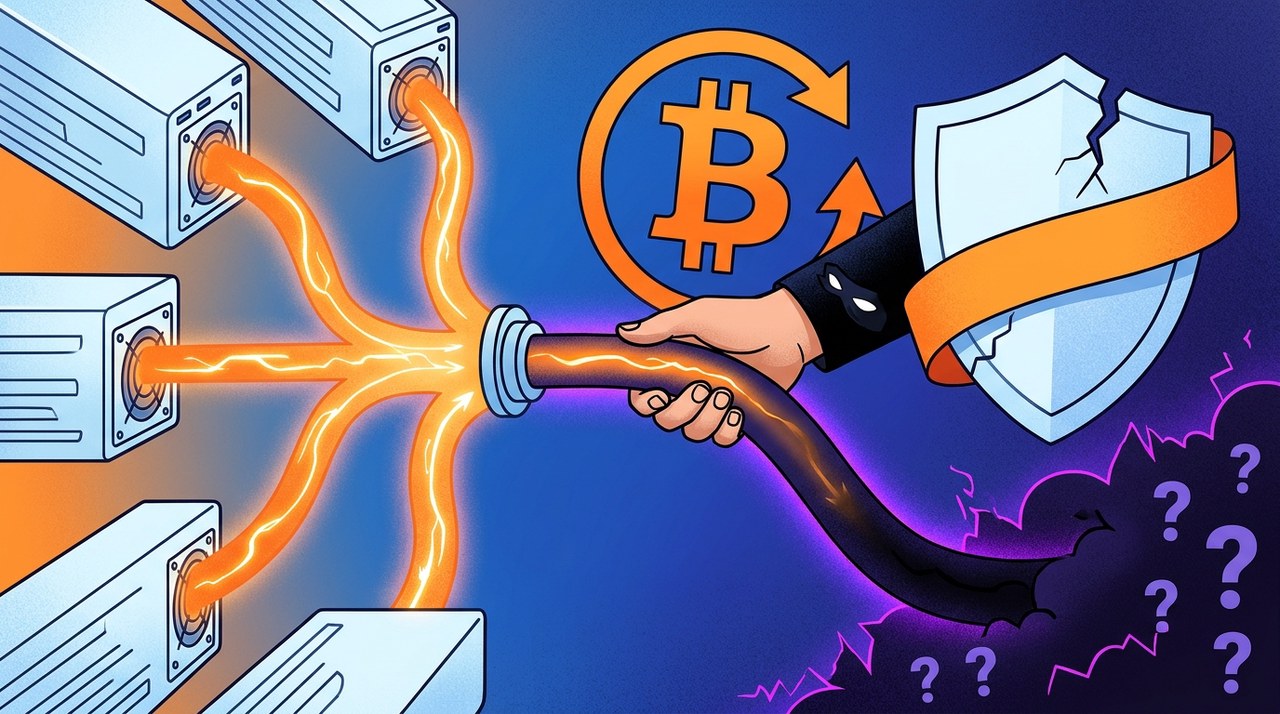
A security incident affected over a dozen Luxor customers when their mining power and BTC rewards were redirected to an attacker. Luxor confirmed full reimbursements.
|

 +1
Spot XRP ETFs Shed $19M as Grayscale Leads Outflows
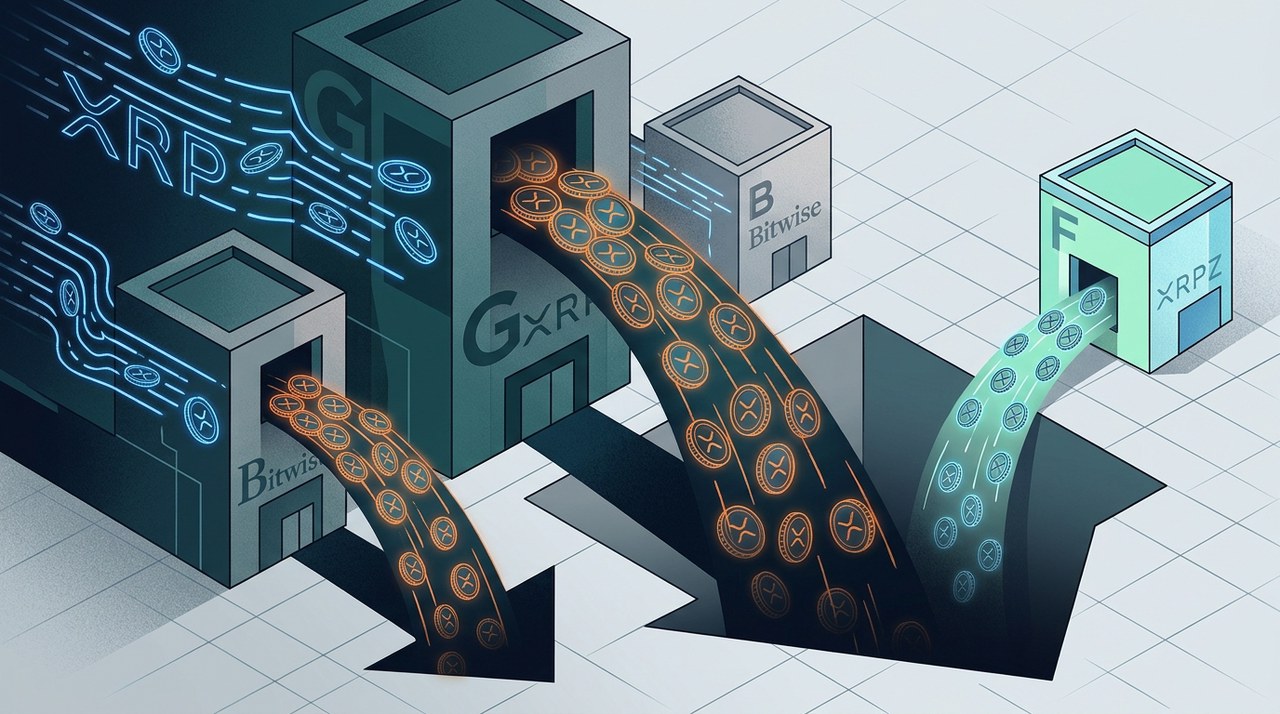
U.S. spot XRP ETFs recorded $19.13 million in weekly net outflows led by Grayscale, while XRP trades around $0.95 amid a wider market pullback.
|