
What Nvidia’s CEO Exit Means for Bitcoin and Open Source
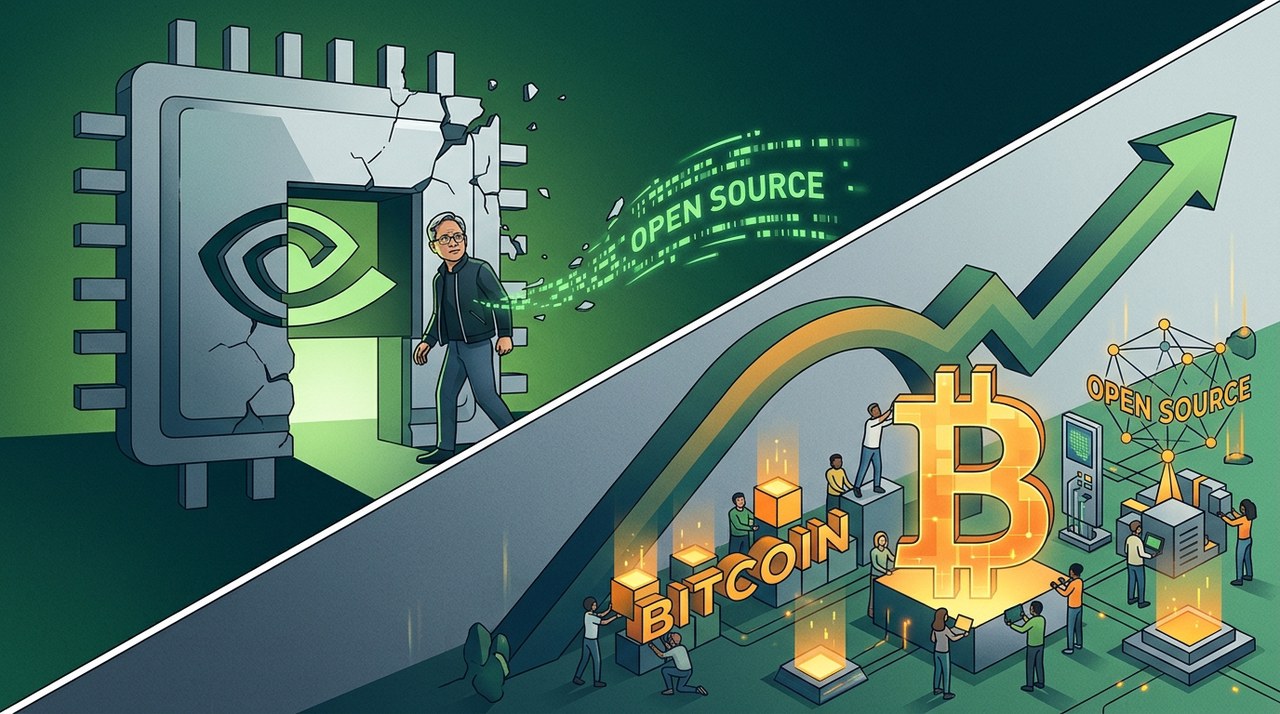
The Unexpected Exit of Nvidia CEO Jensen Huang
The tech world woke up to shocking news when Nvidia chief executive officer Jensen Huang announced his resignation. Reports quickly emerged suggesting his departure might not have been completely voluntary.
An undisclosed source familiar with the situation told CNBC that Nvidia's board voted to oust Huang the night before the public announcement. Media outlets began circulating rumors about personal relationships, but no public evidence has been presented to support claims of security risks or espionage.
Industry observers and online commentators quickly voiced concerns about what this change means. Many believe losing Huang could create serious setbacks for the open-source artificial intelligence movement in the United States.
Jensen Huang’s Massive Push for Open-Source AI
Under Huang’s leadership, Nvidia became one of the strongest champions of open-source AI models. These open-weight models allow developers anywhere in the world to download, customize, and run AI software on their own devices.
While many open-weight models keep their exact training data private, Nvidia went even further with projects like Nemotron 3 Super. For that model, Nvidia released the open weights alongside full datasets and training instructions.
Financial commitments backed up this vision. In March 2026, Wired reported that Nvidia planned to spend $26 billion over five years on open-source AI initiatives. Later in September 2026, Nvidia agreed to acquire open-source repository Hugging Face for $12.93 billion.
Huang brought this debate into the public eye on July 24, 2026, when he posted publicly on social media platform X for the first time. He shared an open letter signed by 25 leading companies defending open AI models.
In that letter, Huang urged lawmakers to avoid premature restrictions that stifle competition. He wrote that open models strengthen cybersecurity, accelerate innovation, and promote technological sovereignty.
Supporting open source also made strategic sense for Nvidia. As massive AI technology firms build custom hardware to reduce their reliance on Nvidia, open-source models allow independent developers, startups, and governments to run AI locally using Nvidia hardware.
Growing Pressure Against Open AI Models
Nvidia warned stakeholders in September 2026 that competing groups were aggressively lobbying governments worldwide. These groups sought legislative measures to restrict open-source models and disadvantage their users.
Political pressure has been building rapidly. In July 2026, Axios reported that U.S. officials considered banning domestic companies from using foreign open-weight AI models.
Meanwhile, the U.S. Congress continues to review proposed legislation, including the Chip Security Act and the AI Overwatch Act. Both bills aim to tighten chip export restrictions and prevent unauthorized smuggling.
Huang had been the semiconductor industry’s most vocal advocate against excessive restrictions on chip sales, making his sudden departure even more significant.
How AI Controversies Mirror BitcoinBTC-3.08%’s Developer Battles
The intense debate surrounding open-source AI closely mirrors the legal battles fought by Bitcoin and digital asset developers for years. Regulators often invoke national security concerns to justify limits on open-source code.
A primary example involves privacy protocols. In August 2022, the U.S. Treasury sanctioned the open-source coin mixer Tornado Cash, alleging over $7 billion in illicit transactions had moved through the protocol.
A federal appeals court subsequently ruled in November 2024 that these sanctions were unlawful. Following that ruling, the U.S. Treasury formally lifted the sanctions in March 2025.
Despite the sanctions decision, criminal proceedings continued against individual developers. In August 2025, a jury convicted Tornado Cash co-founder Roman Storm of conspiring to operate an unlicensed money transmitting business. He currently awaits an April 2027 retrial on remaining money laundering and sanctions charges.
Similar legal action hit Samourai Wallet. Co-founders Keonne Rodriguez and William Lonergan Hill pleaded guilty to operating an unlicensed money transmitter, receiving prison sentences of five years and four years in November 2025.
Following these high-profile cases, the U.S. Department of Justice clarified its stance. Prosecutors indicated they will no longer bring unlicensed money transmission charges against authors of non-custodial software.
However, this internal policy remains non-binding, and charges related to money laundering or international sanctions compliance remain fully active.
Industry Leaders Speak Out on Code Freedom
As government scrutiny intensifies across both artificial intelligence and digital assets, prominent founders are calling on developers to defend open-source principles.
Care about safety? Safety is best achieved through transparency (open-source), and the decentralization of power. Equality is the first exile of any licensing regime.
Venice AI founder and digital asset investor Erik Voorhees shared that perspective while responding to the Nvidia news. He urged both communities to collaborate, emphasizing that political entities naturally seek to regulate centralized power structures.
Block CEO and Bitcoin advocate Jack Dorsey has similarly championed open artificial intelligence. In September 2026, Dorsey stated that central governments should not dictate intelligence limits, warning that restrictive rules leave the rest of the world waiting for permission.
Dorsey had previously voiced strong enthusiasm for Nvidia’s $26 billion open-source commitment when details first emerged in March 2026.
Binance co-founder Changpeng Zhao also commented on Huang's exit, criticizing Nvidia’s board for allowing its vision-driven leader to step down amidst unverified media reports.
What Lies Ahead for AI and Crypto Developers?
Both sectors face critical turning points in their regulatory journeys. Tech analysts are closely watching for Jensen Huang’s scheduled congressional testimony in December 2026 to see if Nvidia pivots away from open-source commitments.
In the digital asset industry, advocacy groups continue to push for clear legal protections for developers who publish open-source code.
The upcoming retrial of Roman Storm in April 2027 will serve as a vital benchmark for creator liability in decentralized software development.
Note: Historical market performance of digital assets or equity investments does not guarantee future financial results.
Latest blog posts
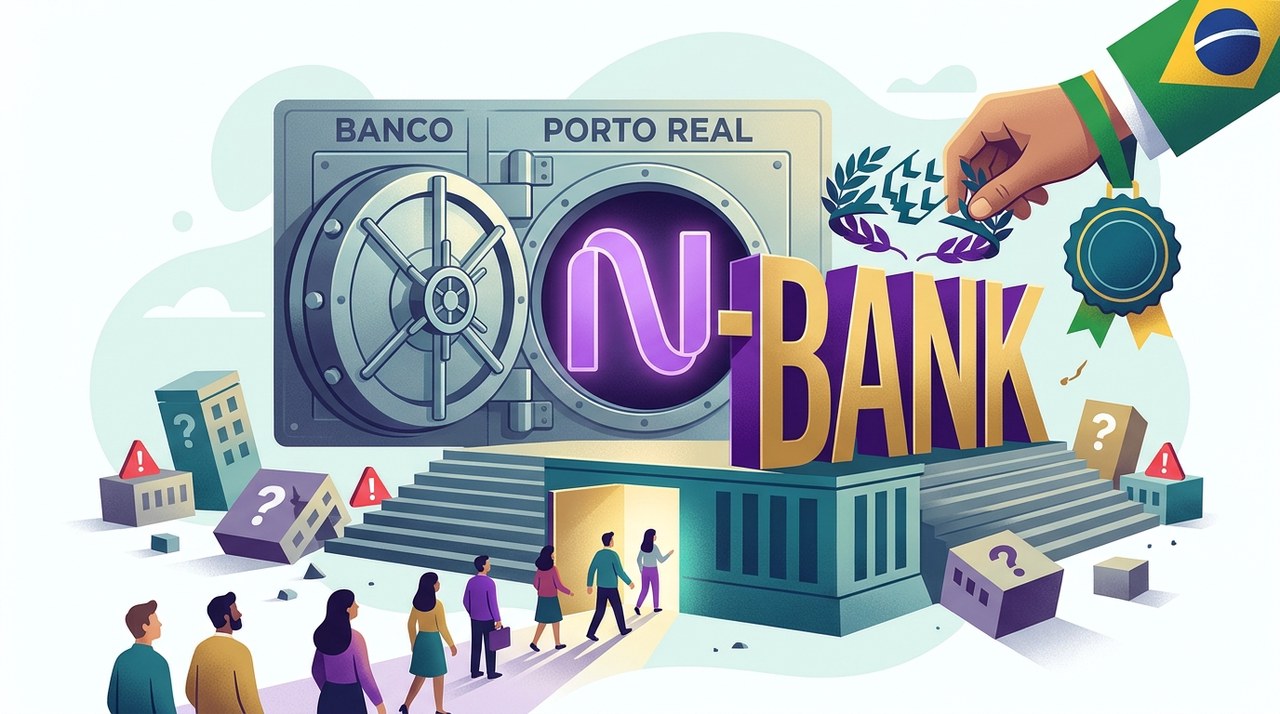


Nubank Secures Brazil Banking License to Keep Iconic Name
Digital banking giant Nubank has officially obtained a banking license in Brazil through an acquisition, allowing it to preserve its brand name and expand services.
|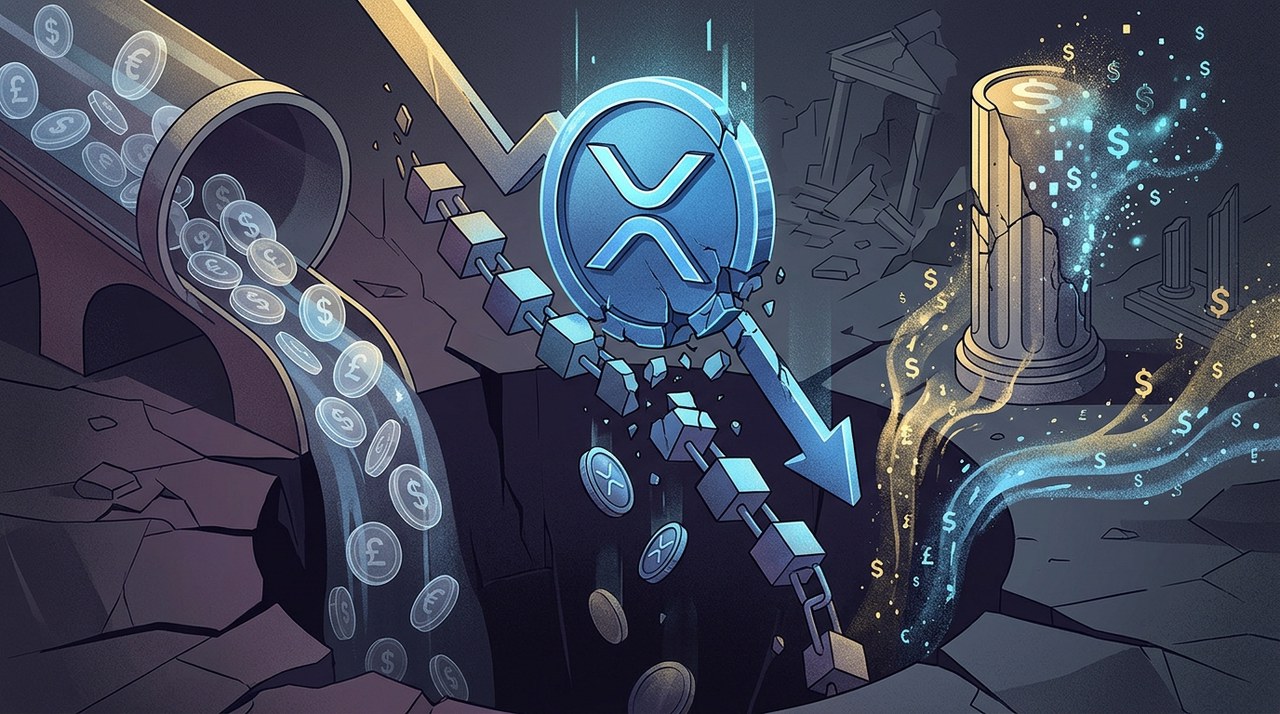

XRP Drops to Lowest Level Since November 2024 Amid Outflows
XRP fell to its lowest point since November 2024 as institutional ETF outflows and shrinking stablecoin liquidity placed pressure on the broader crypto market.
|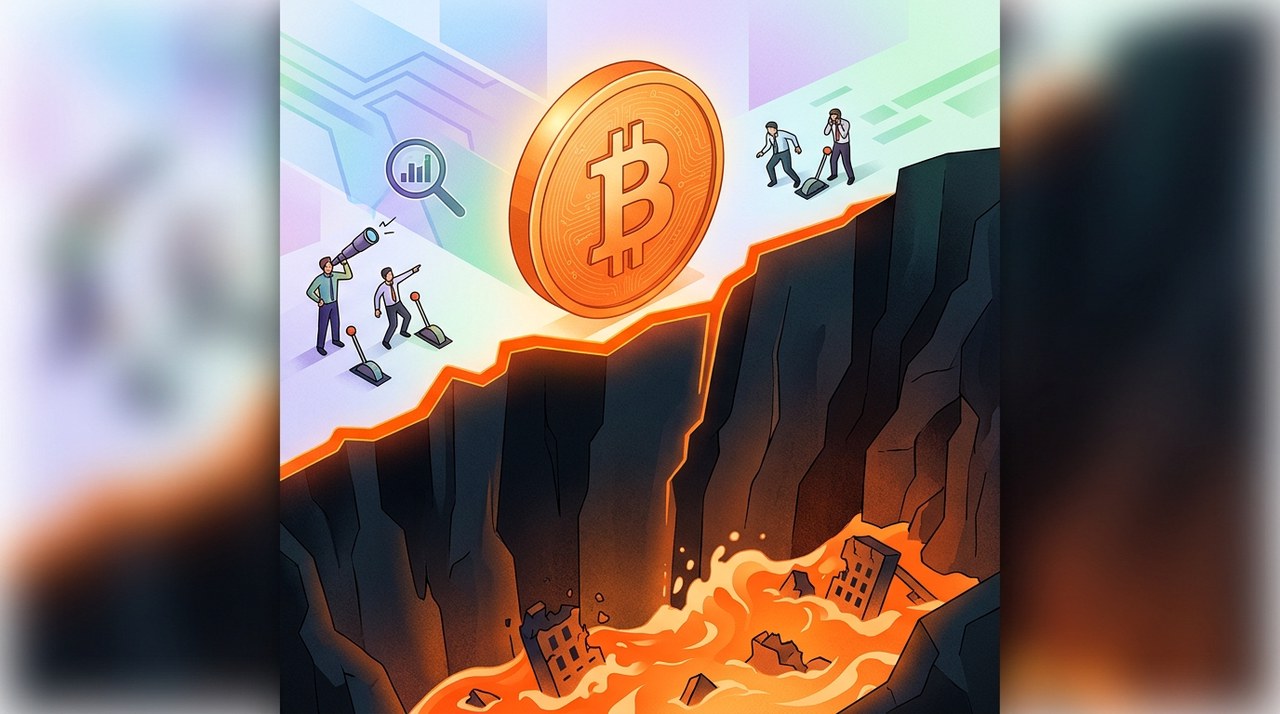
Bitcoin Faces $60K Liquidation Risk as Glassnode Warns
Bitcoin faces selling pressure near the $60,000 mark as Glassnode reports key leverage liquidation clusters and shrinking market liquidity.
|