
XRP Drops to Lowest Level Since November 2024 Amid Outflows
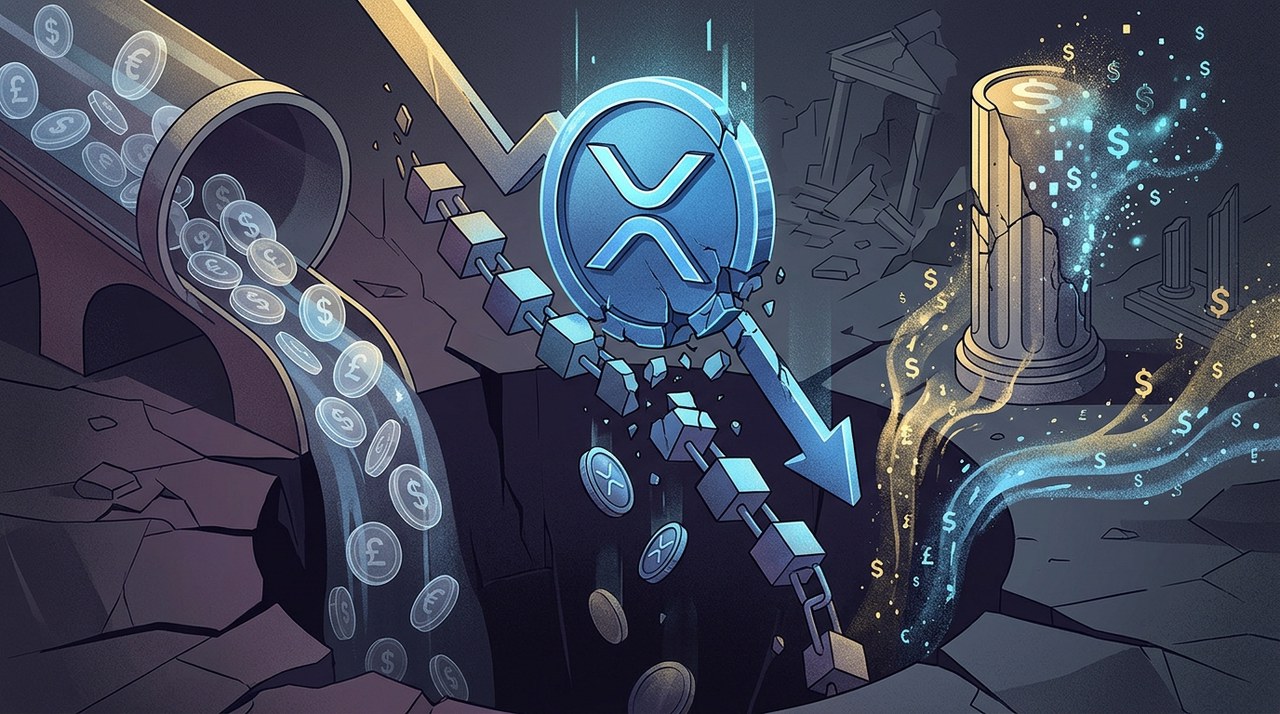
XRPXRP-3.27% Reaches Multi-Month Low as Market Pressure Mounts
The cryptocurrency market experienced a noticeable decline recently, with XRP falling to its lowest price level since November 2024. This pullback reflects broader trends across the digital asset space.
When major cryptocurrencies adjust downward, it is rarely due to a single event. Instead, a mix of institutional capital movements and liquidity shifts often creates headwinds for tokens like XRP.
Two Major Factors Driving the Market Downturn
Market data points to two primary causes behind the recent pressure on XRP and the wider crypto ecosystem: significant ETF outflows and a shrinking stablecoin supply.
1. Capital Outflows from Spot ETFs
Exchange-Traded Funds (ETFs) serve as a major bridge connecting traditional finance with digital asset markets. When institutional investors buy into crypto ETFs, capital flows directly into the market, adding buying pressure.
However, when sentiment turns cautious, investors redeem their ETF shares. These net outflows mean money is actively leaving the crypto space, which typically weighs heavily on asset valuations across the board.
2. Declining Liquidity in Stablecoins
Stablecoins act as the primary liquidity fuel for digital asset markets. Traders often hold stablecoins as dry powder while waiting to purchase tokens like XRP.
When overall stablecoin supply shrinks, it indicates that investors are cashing out into fiat currency rather than re-investing back into crypto. Less available liquidity makes it harder for markets to absorb selling pressure.
Understanding the Broader Market Context
XRP's decline does not occur in isolation. Price movements in individual digital assets are deeply tied to general market health and global macroeconomic factors.
Macro headwinds, including shifting interest rate expectations and broader risk-off sentiment in global financial markets, frequently influence how capital flows into or out of crypto assets.
What Is XRP?
For context, XRP is the native digital asset of the decentralised XRP Ledger. It was designed primarily to facilitate fast, low-cost cross-border payments and financial transfers globally.
Because of its liquidity and prominent market presence, XRP often reflects general sentiment shifts within the digital asset industry.
Looking Ahead: Key Scenarios to Watch
Understanding potential market directions requires observing underlying liquidity conditions rather than focusing on short-term price movements alone.
- Potential Stabilization Scenario: If institutional inflows into crypto ETFs resume and stablecoin issuance expands, market liquidity could strengthen, helping prices find a baseline.
- Downside Risk Scenario: If ETF redemptions continue and stablecoin supply contracts further, digital asset prices, including XRP, may face continued downward volatility.
Investors should monitor liquidity metrics, institutional ETF flow trends, and overall macroeconomic shifts to gauge market direction accurately.
Past performance of digital assets or past operational results do not guarantee future returns or performance.
You can keep track of live trading data and market developments on the official Bitkub XRP Market platform.
Latest blog posts
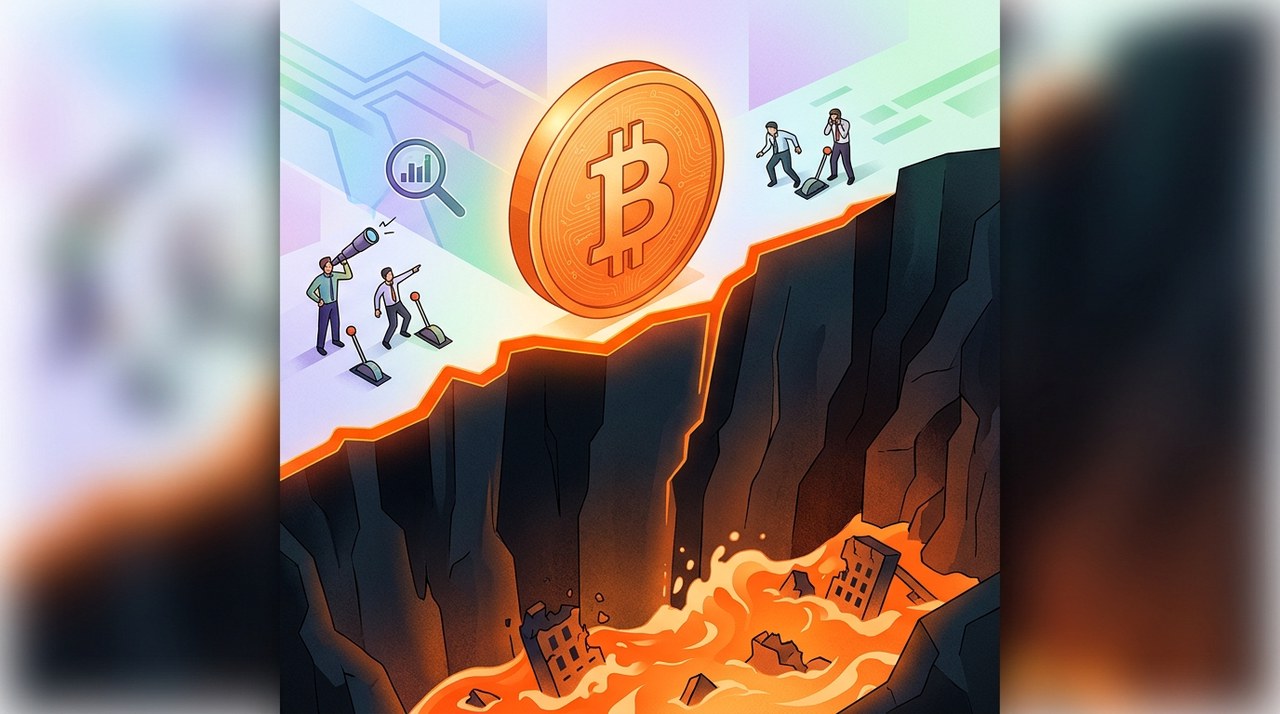


Bitcoin Faces $60K Liquidation Risk as Glassnode Warns
Bitcoin faces selling pressure near the $60,000 mark as Glassnode reports key leverage liquidation clusters and shrinking market liquidity.
|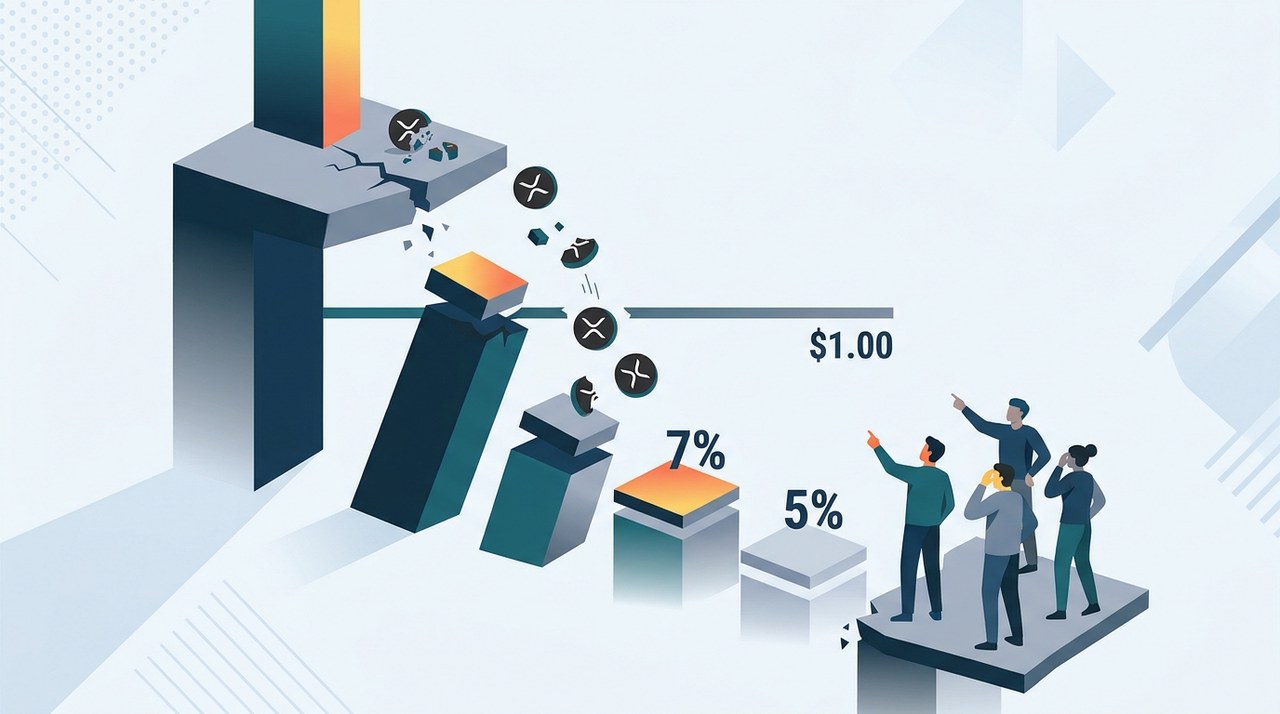
Kalshi Traders See Low Odds for XRP Recovery Above $1.30
XRP has slipped below the key $1 level, leading prediction market traders on Kalshi to lower their expectations for a major price recovery in November.
|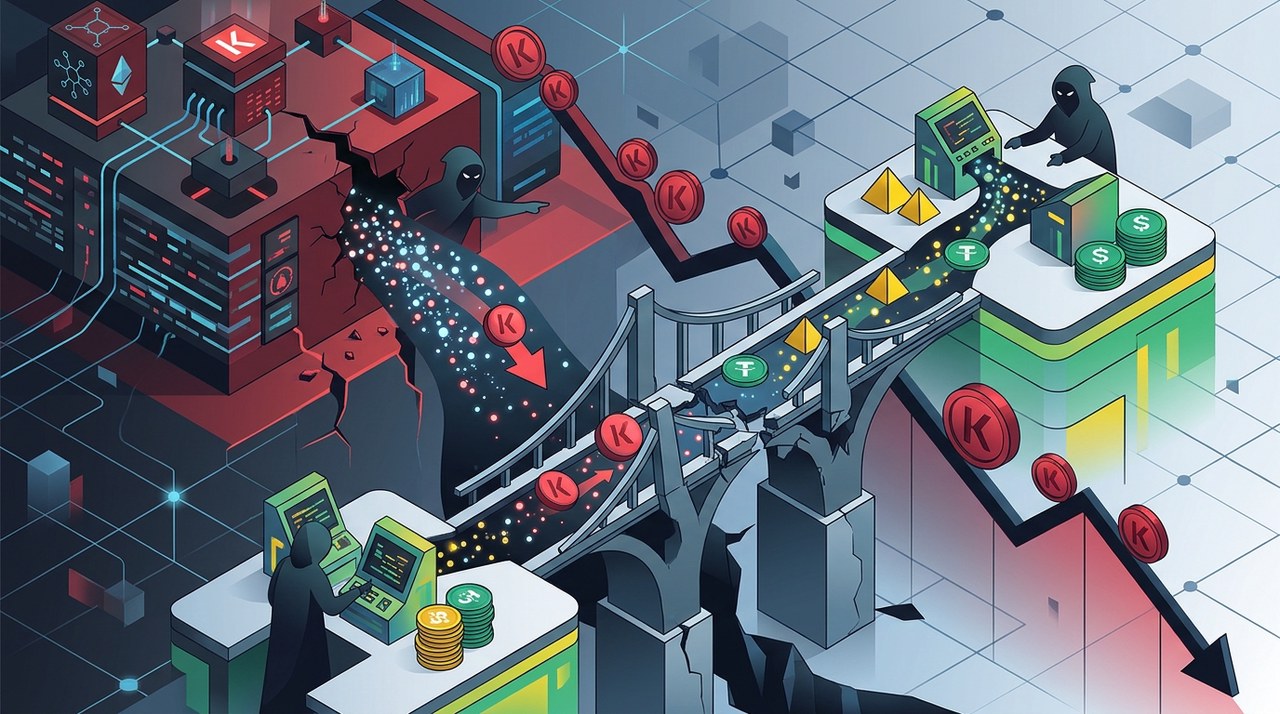


Kava Lend Hacked for $3.8M, KAVA Token Drops 40%
DeFi platform Kava Lend suffered an exploit resulting in a loss of roughly $3.8 million, causing the native KAVA token to decline nearly 40%.
|