
Vitalik Buterin Defends EIP-8037 Amid Contract Breakage Fears

Vitalik Buterin Addresses EIP-8037 Upgrade Concerns
On November 28, 2026, EthereumETH-3.80% co-founder Vitalik Buterin publicly addressed the ongoing debate surrounding Ethereum Improvement Proposal 8037, commonly known as EIP-8037.
The core of the issue stems from concerns that EIP-8037 could break existing smart contracts on the blockchain.
Despite these growing worries from community developers, Buterin maintains that the proposal is necessary for the network.
Understanding EIPs and Smart Contract Breakage
Think of an Ethereum Improvement Proposal, or EIP, like a systematic system update for a smartphone.
Just as a software update changes how apps behave, an EIP updates the underlying rules of the Ethereum network.
Smart contracts are automated digital programs running on the blockchain.
When core protocol rules shift, older smart contracts might stop functioning as originally designed.
Developers raised flags about EIP-8037, worrying their deployed applications could experience technical glitches or total breakage.
Why Buterin Stands by the Upgrade
Writing in a post on X, Buterin did not dismiss developer anxieties.
He acknowledged that builders affected by the proposal have legitimate reasons to voice their concerns.
However, he stressed that the structural modifications in EIP-8037 remain crucial to help stabilize Ethereum in the long term.
He also warned against rushing the broader Glamsterdam upgrade timeline without careful consideration.
Breaking existing applications should not be treated as an easy or routine consequence of Ethereum's development process.
The Hidden Risk of Centralized Escape Hatches
One of Buterin's strongest warnings focused on developer responses to prospective protocol shifts.
He explicitly advised builders not to incorporate centralized upgrade mechanisms, often called upgrade hatches, into their applications.
Some developers build these administrative hatches as a precaution against future network updates.
Buterin explained that normalizing these centralized backdoors creates unwanted centralization risks across the entire Ethereum ecosystem.
Supporting Ecosystem Developers
To solve these challenges, Buterin urged core developers to actively assist application builders whose projects face disruption.
This support is vital when application creators reasonably assumed specific base-layer properties would remain untouched.
He praised teams at the Ethereum Foundation, ETH Labs, and other community contributors for helping developers navigate technical adjustments.
Looking Ahead for Ethereum
Protocol upgrades require balancing network evolution with system stability.
As Ethereum advances, cooperation between core protocol engineers and decentralized application builders remains critical.
For users interested in Ethereum (ETH), staying informed on governance decisions provides valuable context about long-term network security.
Past performance of digital assets is not indicative of future results. You can monitor live asset information on the Bitkub Market.
Latest blog posts


 +2
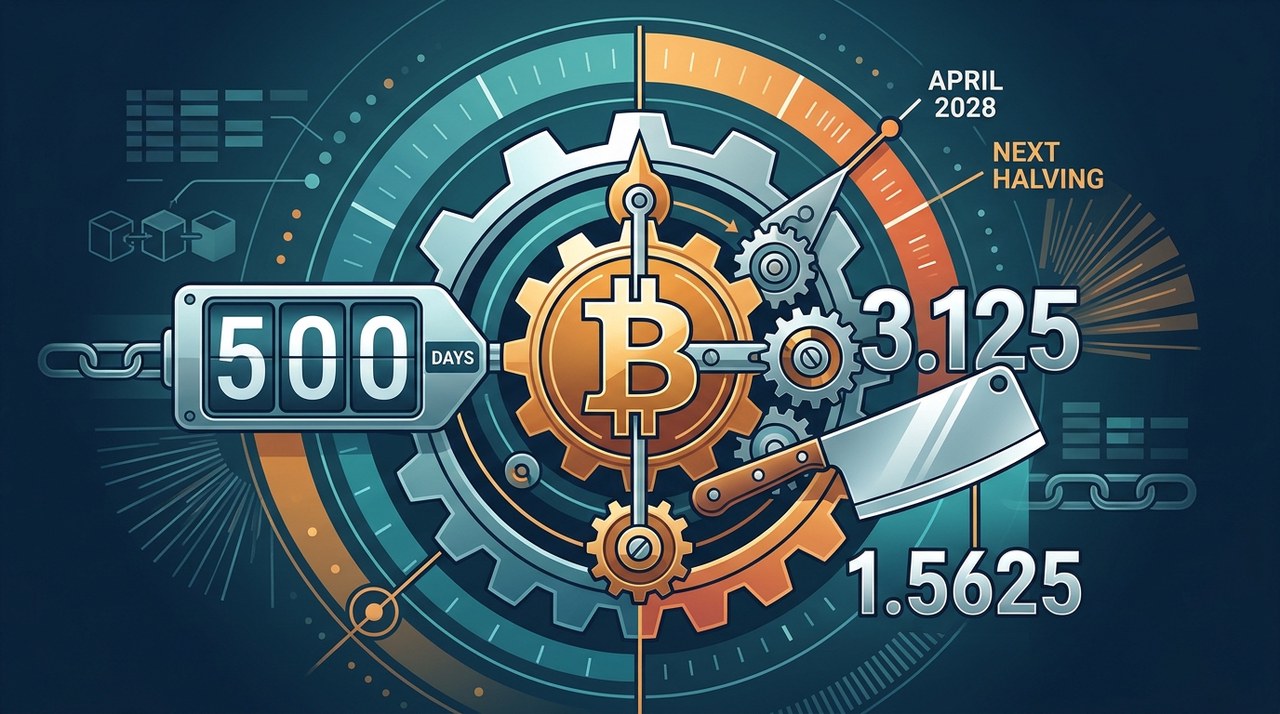
Bitcoin Halving Countdown Hits 500 Days: Key Insights
With 500 days remaining until Bitcoin's next supply cut in April 2028, here is a breakdown of mining mechanics, historical cycles, and key price levels.
|

 +1
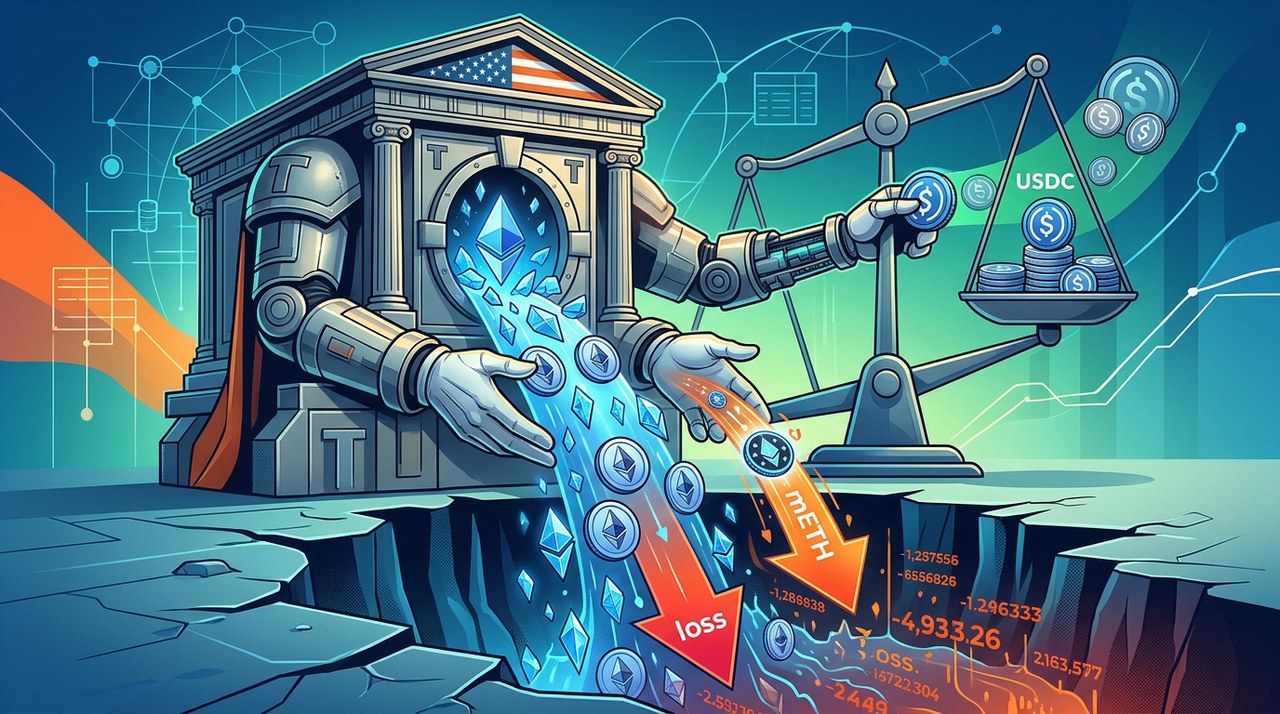
Trump-Backed WLFI Reserve Sells 12,121 ETH at $19M Loss
World Liberty Financial's strategic reserve wallet sold 12,121 ETH at roughly $1,655 each, booking an estimated $19.26 million loss.
|
ASEAN+3 Explores Regional Crypto Payments Cooperation
Member nations of the ASEAN+3 group have agreed on a new initiative to examine cross-border digital payment connectivity and align regional regulations.