ASEAN+3 Explores Regional Crypto Payments Cooperation

Breaking Down the ASEAN+3 Payment Agreement
Member nations of the ASEAN+3 group have officially agreed to launch a joint initiative. This collaborative effort focuses on exploring deeper cooperation in digital payments and cryptocurrency solutions across the region.
To turn this goal into practical policy, a dedicated working group will take the lead. This team will examine two major areas: enhancing connectivity between domestic digital payment networks and bringing regional regulations into closer alignment.
Who Exactly Is ASEAN+3?
If you are new to regional economic policies, the term ASEAN+3 might sound a bit technical. Let us break it down into simple terms.
ASEAN stands for the Association of Southeast Asian Nations. It includes ten member states: Brunei, Cambodia, Indonesia, Laos, Malaysia, Myanmar, the Philippines, Singapore, Thailand, and Vietnam.
The +3 part refers to three major East Asian economic partners: China, Japan, and South Korea. Together, these thirteen countries represent a huge portion of global trade, tourism, and financial activity.
What Will the Working Group Focus On?
The newly established working group has a practical mandate designed to modernize how money moves across borders. Their primary focus centers on two key pillars.
1. Enhancing Network Connectivity
Sending money between Asian countries can sometimes be slow and expensive. Domestic payment systems usually operate in isolated silos, requiring middleman banks to clear cross-border transfers.
The working group will look at ways to link these domestic digital payment networks directly. They will also investigate how digital currencies and blockchain technology can make payments faster and cheaper.
2. Aligning Regional Regulations
One of the biggest hurdles in global crypto adoption is fragmented regulation. Every country currently sets its own rules for digital currencies and online payments.
The working group will work toward harmonizing these regulations across member states. When regulatory standards align, financial institutions and digital asset service providers can operate across borders with clear guidance.
Why Cross-Border Cooperation Matters
Cross-border payments are vital for international trade and remittances in Asia. Millions of workers send funds back home to their families every single day.
Traditional banking channels often take several days to process international transfers, charging high conversion fees along the way. Modern digital networks and cryptocurrency infrastructure can settle transactions in seconds.
By connecting domestic systems, ASEAN+3 aims to lower payment costs for small businesses and everyday consumers while expanding access to modern financial services.
Bridging Different Regulatory Approaches
Building a shared framework across thirteen distinct nations is a complex task. ASEAN+3 members currently take varying approaches to cryptocurrency and digital finance.
For example, Singapore and Japan have established comprehensive licensing frameworks for digital asset firms. Meanwhile, China maintains strict limitations on commercial crypto activities while developing its own central bank digital currency (CBDC).
Countries like Thailand continue to refine regulatory guardrails to protect consumers while encouraging digital economy innovations.
The working group will focus on finding common ground. Key priorities will likely include shared standards for consumer protection, cybersecurity, and combatting financial crime.
Building on Asian Payment Successes
This new initiative builds on existing successes across the region. Asian countries are already leaders in cross-border QR code payments and instant network linkages.
For instance, Thailand's PromptPay and Singapore's PayNow successfully linked their retail payment systems in 2021. Travelers can now scan QR codes in participating countries to pay directly from their home bank apps.
The ASEAN+3 initiative expands this concept to a larger scale, exploring how next-generation digital assets and payment tokens can fit into broader trade settlement networks.
What This Means for Users and Markets
For everyday consumers, unified regulations and connected networks could lead to seamless cross-border shopping and lower transfer fees in the coming years.
For digital finance businesses, aligned rules make expanding into neighboring Asian markets far simpler and more predictable.
However, regulatory changes take time to develop and implement. Furthermore, digital assets carry inherent market risks and price volatility that users must consider.
As the working group begins its studies, market participants will be watching closely to see which specific technological standards and payment rails earn regional support.
Past performance of digital assets or financial networks is not indicative of future results. Readers should carefully evaluate risks and regulatory updates before engaging in digital asset transactions.
Latest blog posts



 +1
Trump-Backed WLFI Reserve Sells 12,121 ETH at $19M Loss
World Liberty Financial's strategic reserve wallet sold 12,121 ETH at roughly $1,655 each, booking an estimated $19.26 million loss.
|


WLFI Token Drops 50% Amid Large Ether Wallet Outflow
World Liberty Financial's token WLFI has touched new record lows after falling 50 percent, while blockchain trackers reported a major Ether transfer from a project-linked wallet.
|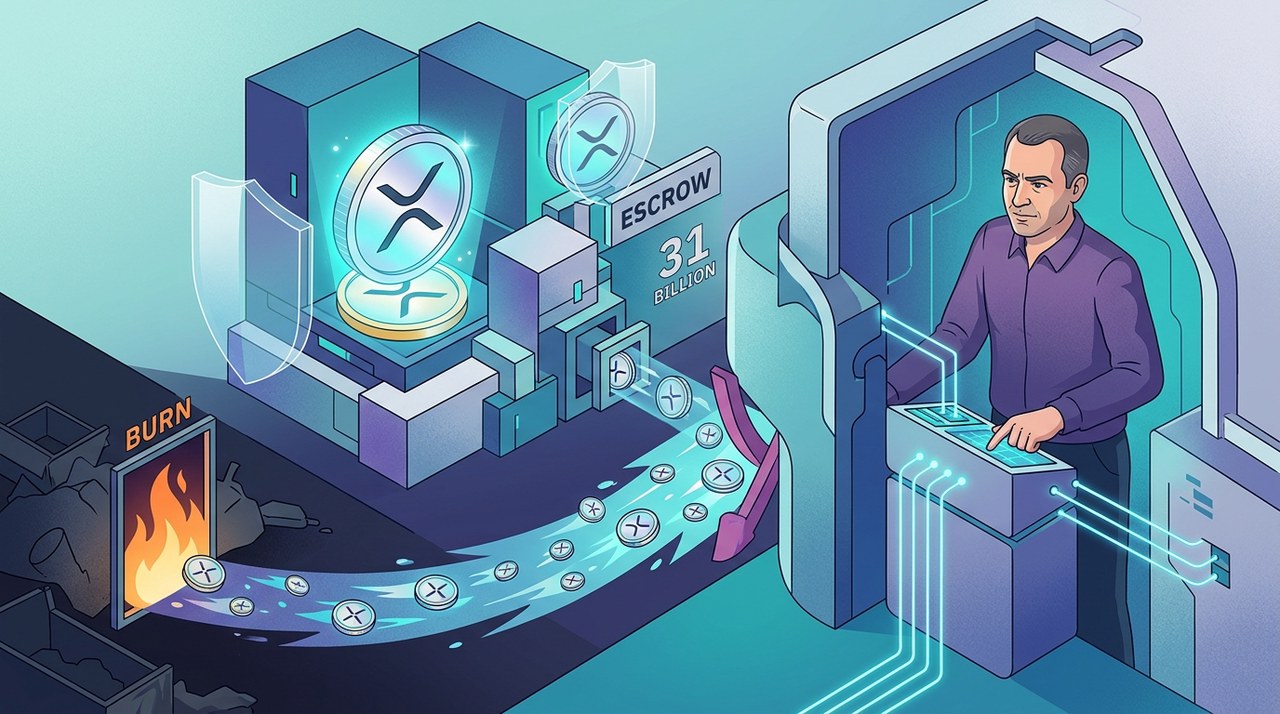

Ripple CTO Rejects 31 Billion XRP Escrow Burn Campaign
XRP holders are asking Ripple to burn 31.1 billion escrowed tokens, but Ripple CTO Emeritus David Schwartz says network validators cannot force the company to do so.
|